The Environmental Impact of Clutter: How Reducing Waste Can Benefit the Planet
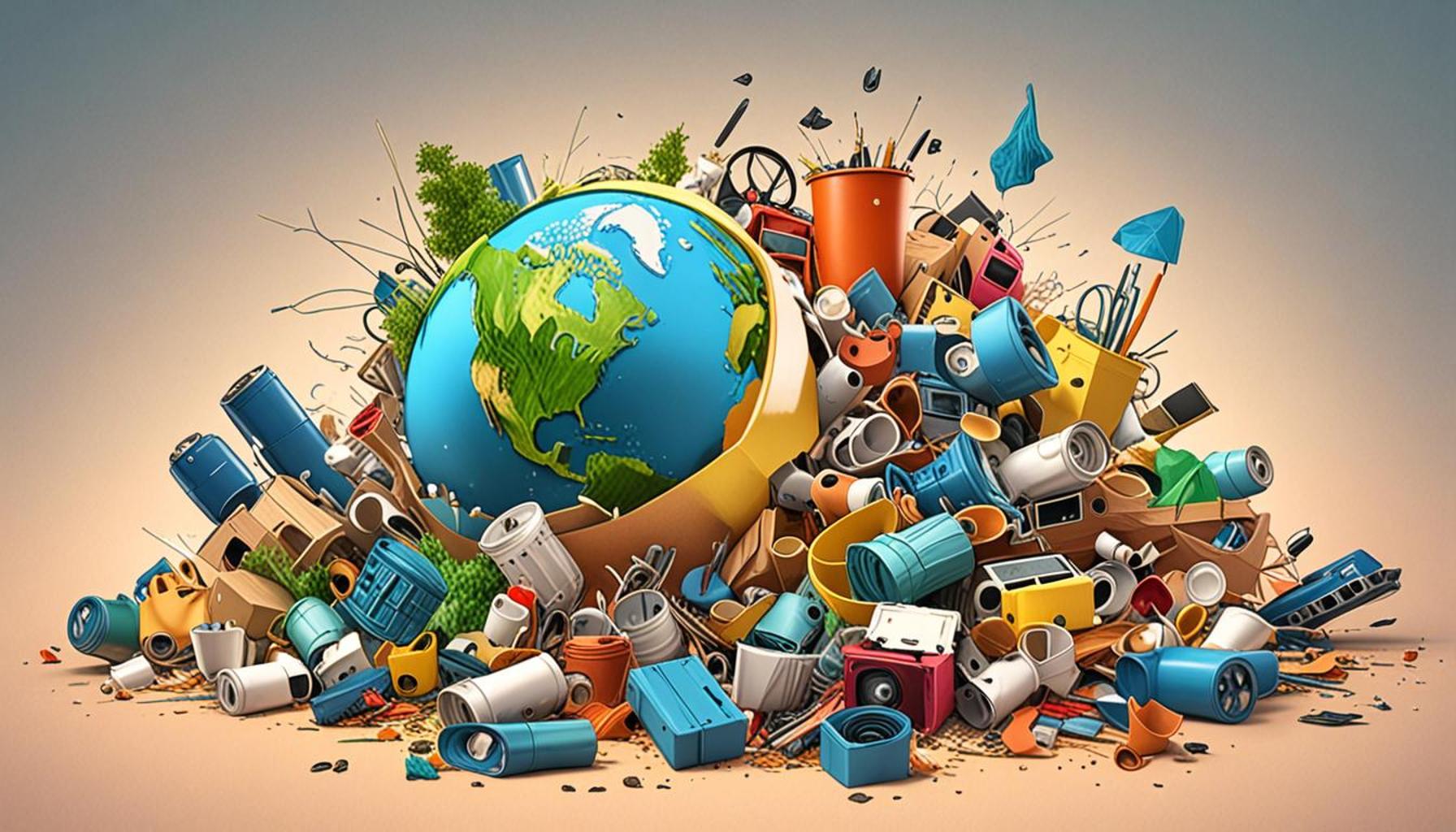
The Hidden Cost of Clutter
In the fast-paced world we inhabit, where binge shopping and spontaneous purchases have become the norm, clutter invades our lives in nearly every corner. Overflowing closets brim with clothing we seldom wear, while storage units become makeshift time capsules for items we have forgotten. This mounting physical clutter not only occupies our space but also casts a long shadow over our environment.
The statistics are striking: each year, Americans generate about 292.4 million tons of trash. An alarming portion of this waste originates from unwanted items and excess packaging that often ends up in landfills or contributes to recycling challenges. In fact, it is estimated that 30% of the waste produced in America is made up of items that could have been recycled or reused. This contribute not just to the health of our environment but to a deepening crisis regarding waste management.
- Landfill Impact: When items accumulate and eventually find their way to landfills, they decompose at an alarmingly slow rate. As they break down, they release methane, a greenhouse gas over 25 times more potent than carbon dioxide regarding its heat-trapping capabilities. This process not only adds to the climate crisis but pollutes local groundwater and soil.
- Resource Depletion: The consumer cycle leads to over-extraction of resources. For example, the production of clothing requires water, energy, and raw materials, all of which are finite. When people frequently purchase and discard clothing, the resources used to make these items never get a chance to return to the cycle, ultimately leading to habitat destruction and biodiversity loss.
- Pollution: The manufacturing and disposal of excess products emit greenhouse gases into the atmosphere, exacerbating climate change. The production of just one cotton shirt requires an estimated 2,700 liters of water, showcasing the environmental damage associated with our consumption patterns.
Reducing waste is not merely about cleaning up a living space; it’s a conscious effort to make a meaningful impact on our planet’s wellbeing. By minimizing unnecessary purchases and actively seeking ways to donate or recycle items, individuals can significantly reduce their environmental footprint. For instance, rather than buying new furniture, one might consider acquiring gently-used items from local thrift stores, effectively giving those pieces a second life.
Through this article, we will delve deeper into how decluttering not only promotes personal clarity but also enhances sustainability. We will provide practical steps to help readers lessen their environmental impact, such as organizing community swap meets or embracing minimalism. Prepare to discover how every choice you make can resonate beyond your household and influence the world around you.
DIVE DEEPER: Click here to unlock space-saving secrets

Understanding the Environmental Consequences of Excess
As we navigate through an era of overconsumption, the ramifications of our clutter extend far beyond our immediate surroundings. The environmental impact of excess waste is profound, and it is essential to grasp how our individual habits contribute to larger ecological issues. Each piece of clutter we own tells a story of raw materials extracted, energy consumed, and waste generated. To fully understand these consequences, we must delve into the multifaceted impacts of clutter on our planet.
One of the most pressing concerns is the sheer volume of waste that piles up each year. According to the Environmental Protection Agency (EPA), in 2018 alone, approximately 146 million tons of municipal solid waste were sent to landfills in the United States. Items that sit idly in our homes, such as unused appliances, old electronics, and forgotten toys, all contribute to this staggering figure. Many of these items are not biodegradable, leading to long-lasting harm to our ecosystem.
- Contribution to Landfill Overload: When we throw away unwanted items, they often end up in landfills where they can take years, if not decades, to decompose. For instance, a plastic bottle can take around 450 years to break down, releasing toxic substances into the soil and waterways in the process. This not only harms local wildlife but disrupts entire ecosystems.
- Carbon Footprint of Production: The lifecycle of a product doesn’t end with its purchase; it includes the processes required for its creation and disposal. Manufacturing items contributes significantly to greenhouse gas emissions, with studies indicating that 29% of U.S. greenhouse gas emissions are linked to the production and consumption of goods. Every new item purchased exacerbates this footprint.
- Impact on Water Resources: The manufacturing processes that bring our clutter into existence are often water-intensive. For example, producing a single pair of jeans consumes over 7,500 liters of water. This overstretching of our water resources was particularly highlighted during the recent droughts affecting various regions in the United States.
By becoming more mindful of our consumption and actively choosing to reduce our belongings, we can minimize our collective environmental impact. A simple shift toward buying second-hand, embracing minimalism, or participating in community recycling events can lead to significant benefits. Each conscious choice we make evokes a ripple effect, contributing to a healthier planet.
As we continue to explore the connection between decluttering and environmental sustainability, it is imperative to recognize that our habits and choices can either uplift or diminish the natural world. Understanding the consequences of our clutter is the first step toward making impactful changes that benefit both ourselves and the planet.
The Ripple Effects of Clutter on Our Environment
As we venture deeper into the intricate relationship between clutter and the environment, it’s vital to understand the ripple effects that excess waste has on our planet. Clutter not only occupies physical space but also consumes resources at a staggering rate. Each item we accumulate has a journey, from materials extraction to manufacturing, distribution, and eventual disposal. This cycle contributes significantly to environmental degradation.First, consider the concept of overconsumption. The more we acquire, the more resources we drain. For instance, producing a single cotton t-shirt requires approximately 2,700 liters of water—enough for one person to drink for two and a half years. Reducing our consumption directly alleviates the strain on these vital resources. By curbing the urge to buy more, we can collectively save millions of gallons of water annually.Additionally, clutter often leads to improper disposal practices. When items accumulate, they frequently end up in landfills, where they take years, if not decades, to decompose. Items like electronics and plastics release harmful toxins as they break down, resulting in soil and water pollution. Early statistics indicate that over 11 million tons of plastic waste enter oceans every year, posing a severe threat to marine life.On the other hand, minimalism advocates emphasize the mental health benefits of living clutter-free. Studies show that a clean, organized environment can lead to reduced anxiety and increased productivity, both vital aspects for fostering a community devoted to sustainability and ecological consciousness.Every step we take towards reducing clutter, whether through mindful purchasing or efficient recycling, contributes positively to our environment. The benefits are far-reaching, implicating not just individual households but our global ecological footprint as a whole. Understanding these principles is essential for anyone committed to making a conscious effort in reducing waste. Now, let’s summarize the advantages of reducing clutter in an informative table format.
| Advantage | Impact on the Planet |
|---|---|
| Resource Conservation | Less material extraction leads to sustainable resource management. |
| Pollution Reduction | Minimizing waste decreases landfill overflow and limits toxic emissions. |
DISCOVER MORE: Click here to dive deeper
Exploring Sustainable Alternatives to Clutter
As awareness grows regarding the environmental impact of clutter, individuals and communities increasingly seek sustainable alternatives that can mitigate waste. The choices we make not only influence our immediate living conditions but can also lead to significant environmental advantages. Here, we will delve into effective strategies and concepts that can help us reduce clutter while fostering ecological responsibility.
Embracing the Circular Economy is one of the most promising approaches to reduce waste. This model emphasizes reusing, recycling, and remanufacturing products, aiming to keep materials in circulation for as long as possible. For instance, many companies are beginning to offer take-back programs that allow consumers to return end-of-life products. Brands like Patagonia and IKEA are committed to creating a closed-loop system where materials are recuperated and reintegrated into new products. By participating in such initiatives, consumers effectively contribute to reducing resource extraction and landfill contributions.
- Community Sharing Platforms: With the rise of the digital age, community sharing has gained momentum. Platforms like Freecycle and Buy Nothing groups encourage individuals to share items they no longer need rather than discarding them. This not only helps reduce waste but also fosters community engagement, showing how collective action can amplify environmental benefits.
- Conscious Consumerism: Adopting a lifestyle centered on conscious consumerism requires individuals to think critically about their purchases. It encompasses supporting local businesses, choosing sustainable brands, and prioritizing quality over quantity. Products made from eco-friendly materials often have a lower environmental impact, making them more desirable. By being discerning shoppers, consumers can drive demand for greener products, holding companies accountable for their practices.
- Upcycling and DIY Projects: Instead of throwing away items, consider upcycling them into creative new uses. This innovative approach not only keeps materials out of landfills but also promotes creativity. Blogs and social media feeds are filled with inspiring upcycling projects, from turning glass jars into elegant lighting fixtures to transforming old furniture into stylish home decor. These practices reflect how reducing clutter can be both resourceful and enjoyable.
Digital Decluttering presents another opportunity to combat clutter without physical waste. As technology advances, more people find their lives overwhelmed by digital clutter—unneeded emails, files, and apps. Regularly tidying up digital devices can lead to improved efficiency, reduced energy consumption, and even lengthened device lifespan through better management. Furthermore, this practice can have an astonishing ecological impact, as it indirectly reduces the demand for new electronics.
Moreover, educating ourselves about the environmental costs associated with products can lead to informed decisions. Life Cycle Assessments (LCAs) are invaluable tools for understanding a product’s environmental impact from raw material extraction to disposal. By examining these assessments, consumers can make choices that align with their values and promote sustainable practices.
As we consider the environmental impact of clutter, it becomes apparent that the familiar cycle of accumulation can be disrupted through intentional choices. By embracing sustainable alternatives, we not only reduce waste but contribute to a collective movement aimed at fostering a healthier planet.
DIVE DEEPER: Click here to uncover more tips
Conclusion: The Path Towards a Sustainable Future
In summation, the environmental impact of clutter is undeniably significant, with waste accumulation contributing to pollution, habitat destruction, and the depletion of natural resources. However, by adopting sustainable practices and making conscious decisions, individuals can play a vital role in reversing these detrimental trends. Initiatives like the circular economy, community sharing, and digital decluttering emerge as powerful tactics to combat waste and foster environmental stewardship.
The journey towards reducing waste is not merely a personal endeavor; it resonates within the broader context of community interconnectedness and global impact. By participating in sharing platforms and practicing conscious consumerism, individuals not only minimize their footprint but also inspire others to reevaluate their habits. Furthermore, the practice of upcycling and engaging in DIY projects can elevate the mindset of creativity over consumption, proving that reducing clutter can be enjoyable and fulfilling.
As we embrace these sustainable alternatives, we are equipped to challenge the traditional cycle of mass consumption and waste. The integration of Life Cycle Assessments in our decision-making processes can further empower consumers, fostering informed choices that align with ecological values. Ultimately, by rethinking our relationship with material possessions, we contribute to a cleaner, healthier planet. Together, through small but impactful actions, we can pave the way towards a sustainable future where clutter is a thing of the past, and environmental preservation is at the forefront of our collective efforts.
Related posts:
Clutter-Free Workspaces: Boosting Productivity Through Minimalism
Clutter-Free Celebrations: Tips for Organizing Events Without the Excess
The Art of Letting Go: Emotional Attachment and Clutter Reduction
Clutter Reduction and Time Management: How Decluttering Your Space Can Improve Time Efficiency
The Impact of Clutter on Sleep Quality: Creating a Restful Bedroom Environment
Practical Strategies for a Clutter-Free Home: Step-by-Step Guide to Minimalist Living

Linda Carter is a writer and organization expert specializing in minimalism and personal organization. With extensive experience helping individuals create clutter-free, functional spaces and adopt mindful habits, Linda shares her knowledge on our platform. Her goal is to empower readers with practical advice and strategies to simplify their lives, stay organized, and achieve a sense of calm and balance in their daily routines.