Sustainable Minimalism: Eco-Friendly Space Optimization Techniques for Conscious Living

Understanding Sustainable Minimalism
In an era where overconsumption and waste generation are at an all-time high, many individuals are seeking new ways to align their everyday lives with ethical and environmental considerations. One standout approach is sustainable minimalism, a lifestyle trend that emphasizes simplicity while advocating for sustainability. This approach not only aims to declutter physical spaces but also encourages us to rethink our habits, resulting in a positive impact on both personal well-being and the health of our planet.
Key Principles of Sustainable Minimalism
At the intersection of two powerful movements—minimalism and sustainability—sustainable minimalism introduces several guiding principles. Understanding these can help individuals adopt more mindful practices in their lives:
- Conscious Consumption: This principle emphasizes making thoughtful decisions about purchases. Instead of being swayed by trends and sales, it encourages consumers to seek high-quality, timeless items that serve their needs effectively. For example, investing in durable clothing produced by brands committed to sustainable practices significantly reduces waste compared to frequent purchases of fast fashion.
- Decluttering: Regularly evaluating one’s belongings to identify items that are no longer needed can clear up space and reduce mental stress. Embracing the “one in, one out” rule—where every new item acquired prompts the removal of an old one—can help maintain balance and avoid accumulation of unnecessary items.
- Eco-Friendly Materials: Sustainable minimalism encourages the use of recyclable and renewable materials in home decor and furniture. For instance, choosing bamboo furniture or organic cotton cushions not only beautifies your space but also supports sustainable production methods.
Benefits of Space Optimization
Integrating sustainable minimalism into one’s lifestyle yields essential benefits that reach far beyond a cleaner home. Consider the following outcomes:
- Reduced Environmental Footprint: By prioritizing quality over quantity and regularly decluttering, individuals produce less waste. This not only lessens the strain on landfills but also contributes to a healthier ecosystem, aligning with broader goals of environmental conservation.
- Enhanced Well-Being: A clean, uncluttered living environment has been associated with improved mental health. Studies have shown that reducing clutter can enhance focus and boost productivity, facilitating a sense of calm and clarity in daily life.
- Financial Savings: Buying less often leads to significant cost savings in the long run. Instead of purchasing numerous low-quality items, focusing on a few high-quality products can ultimately reduce expenses, making a sustainable lifestyle also a financially savvy choice.
Embracing sustainable minimalism transcends mere aesthetic choices; it represents a profound shift in how we interact with our surroundings and prioritize our values. By adopting these principles, individuals are not merely joining a passing trend; they are participating in a movement that seeks to foster a more sustainable future, rich in ecological awareness. With each conscious decision, we can contribute to creating dynamic, stylish living spaces that reflect our commitment to both sustainability and minimalism.
DISCOVER MORE: Click here for practical tips on minimalist home organization
Implementing Eco-Friendly Practices in Your Home
Transitioning to sustainable minimalism requires more than simply adopting a new mindset; it involves actionable steps that can transform your living environment into a haven of conscious simplicity. Let’s explore some innovative space optimization techniques that align with eco-friendly principles, creating a living space that nurtures both well-being and sustainability.
Smart Furniture Choices
One of the core tenets of sustainable minimalism is to invest in multi-functional furniture. This not only reduces the clutter in your home but also minimizes waste by requiring fewer materials and resources. By choosing versatile pieces, you ensure that every item in your home serves a purpose. For example, consider:
- Sofa beds: These are particularly beneficial in urban environments or smaller homes where space is at a premium. A sofa bed provides comfortable seating during the day and can quickly transform into a cozy sleeping area for guests at night.
- Storage ottomans: These practical pieces can serve a dual role as additional seating and a concealed storage space for blankets, books, or kids’ toys, allowing you to maintain a clean and organized look.
- Expandable dining tables: Perfect if you often host family gatherings or dinner parties, these tables can accommodate extra guests without occupying unnecessary space in your home daily.
These options reflect thoughtful design that prioritizes sustainability while promoting an elegant and practical living environment. The materials used for these pieces—such as recycled wood or water-based finishes—can further enhance their eco-friendly appeal.
Adopting Zero-Waste Strategies
Another effective technique is to embrace zero-waste practices in your daily routines. Minimizing single-use items and focusing on reusable products not only benefits the environment but also promotes an organized lifestyle. For instance:
- Reusable shopping bags: By replacing plastic bags with durable, washable alternatives, you can drastically cut down on plastic waste. Many stores in the U.S. now offer incentives for customers who bring their own bags, emphasizing the cultural shift towards sustainability.
- Bamboo toothbrushes: This sustainable alternative to plastic oral care can be an easy switch in your daily routine. As these biodegrade, they pose less risk to the environment compared to their plastic counterparts.
- Glass containers: Utilizing glass jars for food storage instead of plastic can enhance the aesthetics of your kitchen while ensuring food safety. Plus, they can be reused infinitely, unlike single-use plastic containers.
Implementing these zero-waste choices not only optimizes your space by reducing clutter but also supports a more circular economy, reducing the demand for new products and fostering an alternative market focused on sustainability.
Creating a Minimalist Aesthetic
Lastly, the visual aspect of sustainable minimalism cannot be understated. A successful minimalist design embraces principles of clean lines and neutral palettes, promoting tranquility in your environment. Achieving this aesthetic can involve:
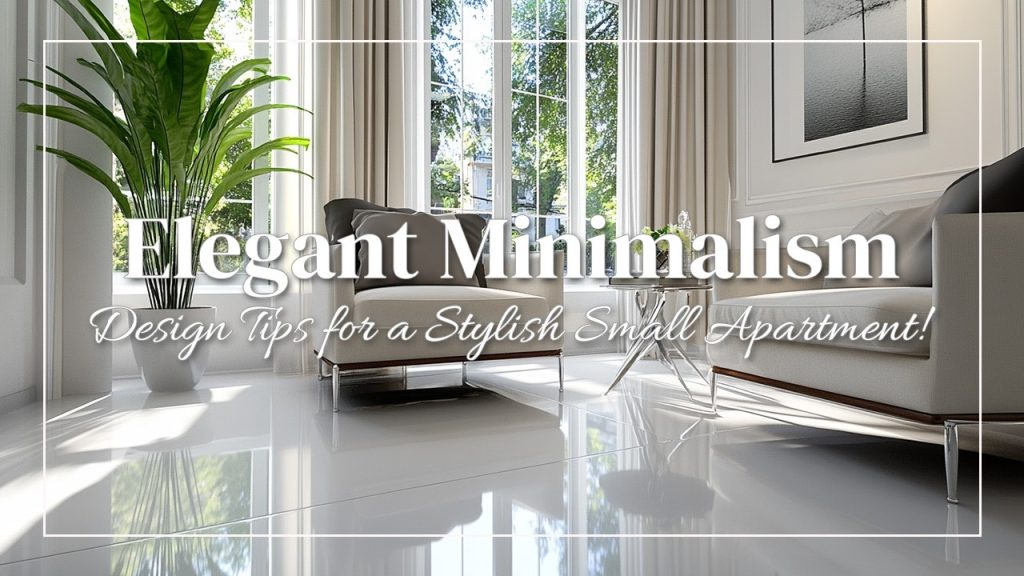
- Natural light: Maximize window space and utilize sheer curtains to create a bright, airy atmosphere. Natural light can enhance your mood and reduce the need for artificial lighting, which is a win for both your energy bills and your well-being.
- Indoor plants: Incorporating flora not only purifies the air but also adds a splash of life to your space. Plants such as snake plants and pothos are low-maintenance options that complement a minimalist aesthetic beautifully.
- Artisanal decor: Investing in handcrafted items made from sustainable materials not only supports local artisans but also adds character to your space. Each piece tells a story and reinforces your commitment to conscious living.
By carefully curating your space with intention, you can establish a minimalist aesthetic that is both stylish and impactful. Each decision counts; through implementing these eco-friendly techniques, you’re not just optimizing your home but also reinforcing a lasting commitment to conscious living. Consider exploring local markets or online platforms focused on sustainable products to discover unique additions to your eco-friendly home.
| Advantages | Details |
|---|---|
| Energizing Living Spaces | Utilization of natural light enhances mood and well-being. |
| Waste Reduction | Promotes recycling and the use of sustainable materials, leading to less landfill waste. |
| Cost Efficiency | Smart design choices reduce energy bills through passive heating and cooling techniques. |
| Health Benefits | Living in an eco-friendly space promotes wellness by reducing exposure to harmful chemicals. |
| Flexibility in Design | Modular furniture allows for adaptability to changing lifestyle needs and spaces. |
More than just aesthetics, sustainable minimalism centers on prioritizing what truly matters in one’s living environment. By embracing space optimization techniques, individuals can create homes that are not only stylish but also health-conscious and environmentally responsible. Each feature of sustainable design—from the choice of materials to the overall layout—contributes to a space that maximizes comfort while minimizing ecological impact. The journey into sustainable living not only fosters personal growth but also inspires a collective shift towards a greener planet. Embracing eco-friendly practices at home is a fundamental step toward conscious living, ensuring spaces reflect a commitment to sustainability.
DISCOVER MORE: Click here to enhance your space-saving skills
Creating Functional Spaces that Inspire
In addition to implementing furniture choices and zero-waste strategies, creating functional spaces within your home is vital for living sustainably and minimizing excess. By designing areas that not only fulfill their intended purpose but also inspire us, we can foster a greater sense of well-being. Here are some techniques to consider:
Designing Purposeful Zones
Dividing your living area into distinct purposeful zones can greatly enhance your efficiency and minimize distractions. Each zone can cater to specific activities, helping to keep your environment organized. For instance:
- Dedicated Workspace: Craft a home office nook, no matter how small, that promotes productivity and focus. Use a corner of your living room or an underutilized guest room, outfitting it with a simple desk and a comfortable chair. This separation creates a mental divide between work and leisure and minimizes clutter by containing supplies within a designated area.
- Zen Space: Designate a corner for relaxation or meditation, surrounded by plants or soft textiles. This quiet area can provide a sanctuary for mindfulness practices, offering mental clarity and encouraging a simpler lifestyle.
- Creative Corner: If you have hobbies such as painting, crafting, or writing, allocate space for these activities. Having materials organized within arm’s reach allows for spontaneous creativity while ensuring that your living areas remain clutter-free.
By thoughtfully organizing your space into designated zones, you motivate yourself to maintain a minimalist lifestyle—each area encourages focused intent rather than chaotic overlap.
Emphasizing Natural Materials
One key aspect of sustainable minimalism is the commitment to natural materials that enhance your home’s aesthetics while preserving the environment. Opting for sustainable options can make a significant impact on your living space:
- Bamboo Flooring: A renewable resource that grows rapidly, bamboo is an excellent alternative to hardwood flooring. It’s durable, stylish, and naturally resistant to moisture, making it a practical choice for eco-conscious homeowners.
- Organic Fabrics: From curtains to cushions, selecting textiles made from organic cotton or reclaimed materials ensures both comfort and sustainability. Such choices contribute to healthier indoor air quality, free from harmful chemicals often found in conventional fabrics.
- Non-toxic Paints: When refreshing your space, consider using non-toxic and low-VOC (volatile organic compounds) paints for walls and furniture. These alternative paints are better for the environment and your health, and they come in a variety of beautiful, earthy tones.
By making a conscious effort to choose natural materials, you’re not only enhancing your living environment but also reducing your ecological footprint.
Mindful Consumerism
Mindful consumerism plays a crucial role in the sustainable minimalism journey—it’s about making intentional purchasing decisions. Instead of being driven by fleeting trends, focus on quality over quantity. When adding new items to your home, consider the following:
- Second-Hand and Vintage Finds: Frequent thrift stores, flea markets, or online marketplaces for gently used items. Many vintage pieces carry unique histories and charm and reduce waste by keeping items in circulation.
- Local Artisans: Supporting local craftspeople ensures that your purchases are ethically made and often use sustainable materials. Platforms like Etsy often feature artisans who produce items with care and consideration.
- Minimalist Capsule Wardrobe: Curate a capsule wardrobe consisting of versatile, well-made clothing items that can be mixed and matched. This encourages conscious decision-making about what you wear while minimizing excess clothing waste.
By adopting a mindset of mindful consumerism, you not only optimize your space but actively contribute to a more sustainable economy—each purchase reflects your values of conscious living.
DISCOVER MORE: Click here for insights on decluttering your mind
Conclusion
In a world increasingly aware of the environmental challenges we face, sustainable minimalism emerges as a powerful lifestyle choice that combines eco-friendly practices with conscious living. By incorporating functional space optimization techniques, we can create environments that not only reflect our personal values but also contribute positively to the planet.
As demonstrated, establishing purposeful zones in our homes enhances productivity while minimizing chaos, cultivating an atmosphere conducive to well-being. Emphasizing natural materials ensures that our choices respect the environment, promoting healthier spaces that connect us to nature. Furthermore, embracing mindful consumerism allows us to make intentional decisions about what we bring into our homes, reducing waste and supporting sustainable practices.
This journey towards sustainable minimalism is more than just an aesthetic shift; it’s a commitment to living consciously. Each small change—from choosing eco-friendly products to curating personal spaces that inspire—accumulates into a substantial impact on our environment. As you explore and adopt these eco-friendly techniques, challenge yourself to think critically about your consumption patterns and the space around you. Perhaps start by reflecting on one area where you can simplify and enhance sustainability.
Ultimately, embracing sustainable minimalism encourages a holistic approach to living, where simplicity, beauty, and environmental stewardship coexist harmoniously. Join the movement toward a more conscious lifestyle and discover the profound effects it can have, not only on your home but on the world at large.
Related posts:
Tech Tools for Space Optimization Apps for a Minimalist Lifestyle
Decluttering for Efficiency: How Space Optimization Enhances Personal Organization
Incorporating Vertical Space: Creative Solutions for Minimalist Living
The Role of Multi-Functional Furniture in Minimalist Design
Embracing Minimalism in Shared Living: Space Optimization for Harmony
Optimal Storage Solutions: Organizing Your Space with a Minimalist Mindset

Linda Carter is a writer and organization expert specializing in minimalism and personal organization. With extensive experience helping individuals create clutter-free, functional spaces and adopt mindful habits, Linda shares her knowledge on our platform. Her goal is to empower readers with practical advice and strategies to simplify their lives, stay organized, and achieve a sense of calm and balance in their daily routines.