Simplicity Living and the Transition to Remote Work: Creating an Efficient and Organized Work Environment
The Transformation of Workspaces and Routines
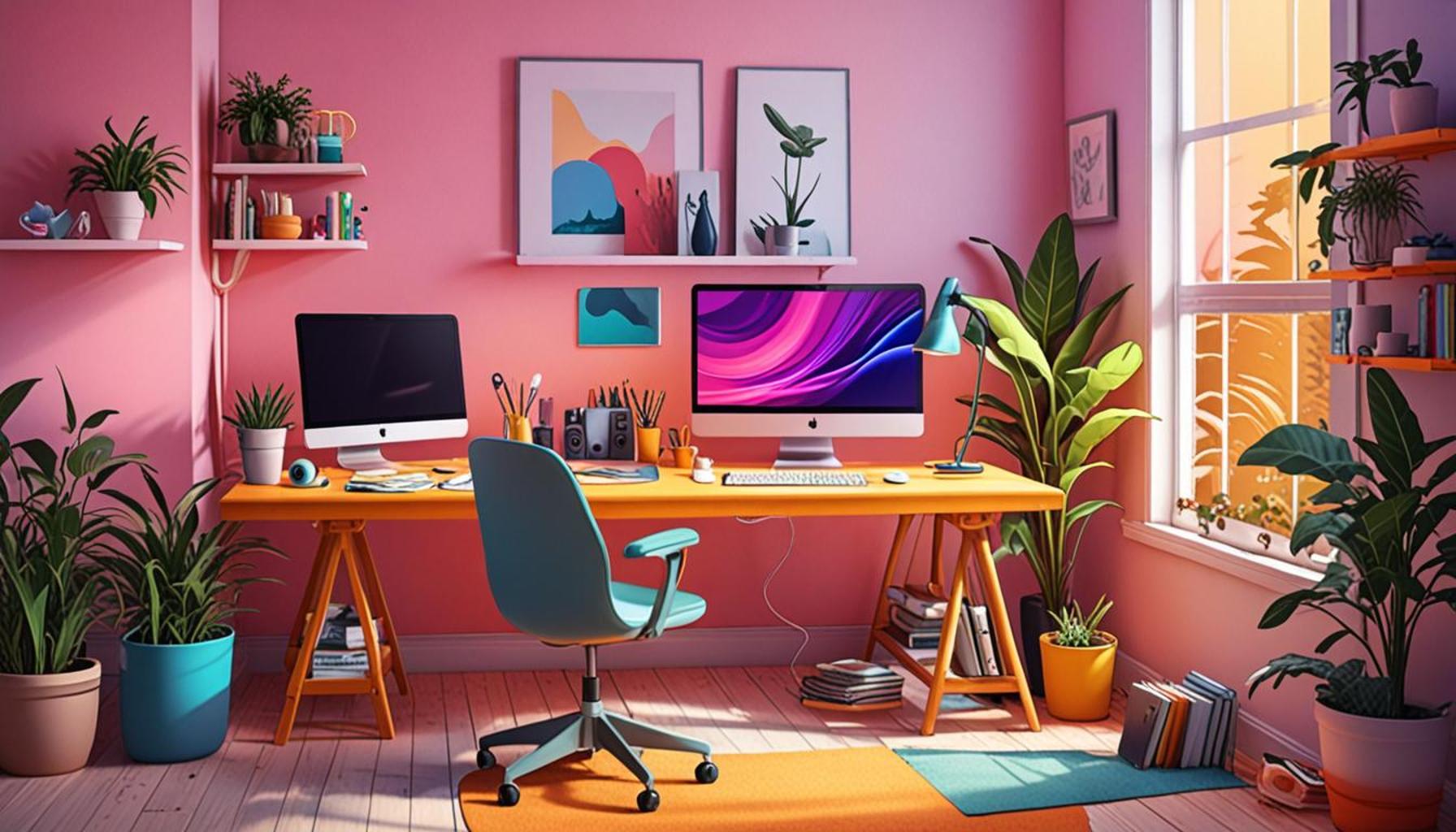
The shift to remote work has radically altered our perception of the workplace, prompting individuals and organizations to reevaluate not just where work happens, but also how it is approached. Workers who once commuted daily to traditional offices have found themselves navigating the challenges and benefits of working from home. This transition invites a deeper exploration into the concept of simplicity living, where the focus is on designing spaces that enhance both efficiency and tranquility. By creating environments that prioritize cleanliness and order, professionals can elevate their productivity and foster a more sustainable work-life balance.
Decluttering Your Space
One of the first steps in creating an efficient remote work environment is to declutter your space. A clean and organized workspace can significantly boost creativity and concentration. For example, a study from Princeton University found that clutter can distract the mind, making it harder to focus on tasks at hand. Individuals should consider removing unnecessary items from their desks, organizing digital files, and adopting minimalist design principles. Not only does this promote a sense of calm, but it also leads to a more effective workflow. Simple desk organizers or digital tools like Trello can assist in keeping both physical and digital spaces tidy.
Digital Organization
In an era where digital communication is paramount, digital organization has become essential. Utilizing software tools such as Slack for communication or Asana for task management can streamline workflows and prevent information overload. For those unfamiliar, these tools allow for real-time collaboration and keep projects organized in an accessible format. Furthermore, utilizing cloud storage solutions like Google Drive ensures that important documents are easily retrievable and shareable, minimizing the chaos often associated with file management.
Establishing Boundaries
Another critical aspect of remote work is the need to establish boundaries. This can be challenging when the home and workplace exist within the same space. Creating a dedicated workspace, even a small one, can psychologically separate work from home life, allowing for clearer focus during business hours. This separation also promotes a healthy work-life balance, preventing burnout that could arise from the lack of physical distance from work responsibilities. Setting specific work hours and communicating these to household members can help maintain this boundary.
As workers continue to navigate this new terrain, the importance of a well-organized work environment can never be overstated. By embedding the principles of simplicity into their daily routines, individuals can significantly reduce stress levels while enhancing focus and creativity. With the right strategies, namely decluttering spaces, organizing digital tools, and clearly defining boundaries, anyone can cultivate a workspace that inspires not just productivity, but also a sense of clarity and purpose.

This ongoing transition to remote work raises essential questions: How can we continuously optimize our surroundings for maximum efficiency? What enduring principles of simplicity can be effectively integrated into our modern work lives? Exploring these themes can unlock the potential for a more productive and fulfilling remote work experience, making the most of this extraordinary opportunity for change.
DISCOVER MORE: Click here to learn how to simplify your life
Practical Strategies for a Simplified Work Environment
Transitioning to remote work offers a unique opportunity to reshape our work environments through the lens of simplicity living. By employing practical strategies, individuals can create a more streamlined, efficient workspace that not only boosts productivity but also fosters a greater sense of well-being. Here are several effective approaches to simplify both personal and professional spaces:
Creating a Functional Workspace
The physical setup of your workspace is crucial in optimizing both comfort and efficiency. Designating a specific area for work can help signal your brain to switch into work mode, reinforcing the idea of separation from personal activities. When arranging your workspace, consider the following elements:
- Ergonomics: Invest in an ergonomic chair and desk that promotes healthy posture and reduces strain during long hours of work.
- Lighting: Good lighting is essential. Natural light is often the best option; however, if that’s not available, opt for adjustable desk lamps that minimize eye fatigue.
- Personal Touch: A few personal items, such as plants or artwork, can help create a calming atmosphere without causing distraction.
Employing these design principles not only enhances your workspace but also supports a healthy work-life balance by creating a dedicated zone for work activities.
Implementing Routines and Schedules
A key component of simplicity living is cultivating structured routines. With the lack of a traditional office environment, it’s easy to let hours slip away without accomplishing daily objectives. Implementing a clear schedule can aid in combating this issue. Here are some techniques for establishing effective work routines:
- Daily Planning: Begin each day by setting clear objectives and tasks. Use planners or digital applications like Todoist to prioritize your responsibilities.
- Time Blocking: Allocate specific time slots for focused work, breaks, and personal obligations. Techniques like the Pomodoro Technique can enhance concentration by using timed intervals for productivity.
- Regular Breaks: Incorporate short breaks to recharge. Stepping away from your workspace for a few minutes can refresh your mind and boost creativity.
Adopting these routines not only expedites task completion but also brings a sense of normalcy to the work-from-home experience. With life increasingly fluid, this structure becomes even more essential for maintaining mental clarity and driving productivity.
Utilizing Technology Wisely
In the digital age, technology can be both a blessing and a curse. Striking the right balance in technology use can simplify workflows and enhance collaboration. Tools such as Microsoft Teams, Zoom, and Monday.com facilitate efficient communication and project management. However, be mindful of information overload. Here are a few tips to maximize technology without letting it overwhelm you:
- Limit Notifications: Turn off non-essential notifications to prevent distractions and stay focused on important tasks.
- Organize Digital Spaces: Regularly purge unnecessary files and emails to maintain a clean digital workspace.
- Set Digital Boundaries: Establish designated times for checking work-related communications to separate work hours from personal time.
By incorporating these strategies, remote workers can create a more efficient and organized work environment that embodies the principles of simplicity living. As we adapt to these changes, understanding how to optimize our physical and digital spaces becomes essential in uncovering the true potential of remote work.
| Category | Advantages |
|---|---|
| Workspace Organization | A clutter-free environment boosts *productivity* and enhances *focus*, allowing for better task completion. |
| Time Management | Implementing structured schedules helps in balancing work-life boundaries, reducing *burnout* and fostering *well-being*. |
As the shift to remote work becomes the norm, embracing a *Simplicity Living* approach can transform your home office into a sanctuary of *efficiency* and *organization*. One key area to focus on is workspace organization, which involves decluttering your environment. A clean space is not only visually appealing but has been shown to enhance *creativity* and *productivity*. By removing unnecessary items and organizing essentials, remote workers can significantly improve their ability to concentrate and complete tasks.Furthermore, effective time management is crucial during this transition. Establishing a clear schedule allows individuals to delineate their work hours from personal time, minimizing the risk of *burnout*. Techniques such as the Pomodoro method can be employed to maintain focus and regular breaks, ensuring that productivity levels remain high without overwhelming oneself. Emphasizing these aspects of simplicity living can lead to a more harmonious and productive remote work lifestyle, inviting individuals to discover not just new approaches but also the potential for improved job satisfaction and personal growth.
DISCOVER MORE: Click here to uncover the benefits of decluttering
Incorporating Minimalism into Daily Practices
As the transition to remote work reshapes our professional lives, integrating minimalism into daily practices can significantly enhance focus and organization. By reducing physical and mental clutter, we create a seamless flow to our workflows, thereby increasing both productivity and satisfaction. Here are some actionable guidelines for embracing minimalism in your remote work journey:
Decluttering Physical and Digital Spaces
The first step towards a minimalist approach is decluttering your workspace, both physically and digitally. For physical spaces, consider the following:
- Regular Purging: Set aside time each week to evaluate your surroundings. Donate or dispose of items that no longer serve a purpose or add value to your work environment.
- Essentialism: Limit your workspace to essential tools and materials. Having fewer items not only simplifies your environment but also allows you to focus on what you truly need.
When it comes to digital space, the same principles apply:
- Organizing Files: Employ a systematic approach to file organization. Create a structured folder system on your computer and categorize files so that they are easily accessible.
- Email Management: Consider practices such as the inbox zero method, where you aim to keep your inbox devoid of unnecessary emails. Unsubscribe from newsletters that no longer interest you to maintain focus on crucial communications.
Mindfulness and Focus Techniques
Adopting a minimalist outlook transcends your physical environment. It’s also about fostering a mental space conducive to concentration. Integrating mindfulness techniques can cultivate awareness and focus during your work hours:
- Meditation: Start or end your day with a meditation session. This can help clear mental clutter and enhance your ability to concentrate on tasks ahead.
- Digital Detox: Allocate specific times to unplug from devices. Engaging in activities like reading or walking can help recharge your mental energy and improve cognitive function.
By connecting mindfulness with your work routine, you can maintain a level of awareness that aligns with the principles of simplicity living.
Fostering Work-Life Integration
As remote work increasingly blurs the lines between home and workplace, effective work-life integration becomes vital. Achieving a harmonious balance enhances not only productivity but also personal satisfaction:
- Setting Clear Boundaries: Clearly define your working hours. Communicate these boundaries to your colleagues and family, ensuring that work time is respected while allowing room for personal time.
- Designated Break Areas: Instead of working in every corner of the house, create specific areas for breaks that are separate from your workspace. This can help your mind disengage from work-related tasks during downtime.
By fostering a clear division between work and personal life, you can nurture a more balanced, fulfilling existence while working remotely. These strategies not only simplify your daily practices but also support overall well-being, facilitating a more successful transition to remote working conditions.
DIVE DEEPER: Click here to learn more
Embracing Simplicity for Enhanced Remote Work
The shift towards remote work has transformed how we engage with our professional lives, emphasizing the need for greater efficiency and organization in our work environments. By embracing simplicity living, we can effectively navigate this transition, enhancing not only our productivity but also our overall satisfaction and well-being. The core principle of minimalism, which encourages the elimination of clutter—both physical and digital—serves as a vital tool in achieving these objectives.
Incorporating simple practices, such as regular decluttering, digital organization, and mindfulness techniques, can help foster an environment where focus thrives. Additionally, striking a balance between work and personal life is crucial, as it allows for a healthier integration of responsibilities and promotes mental clarity and resilience. Strategies like setting clear work boundaries and creating designated break spaces can significantly improve how we experience our work hours, further reinforcing the principles of simplicity.
As we continue to adapt to the evolving landscape of remote work, it’s essential to reflect on what truly matters in our professional lives. The shift to an organized and efficient work environment is not merely about physical space but encompasses a transformative mindset that prioritizes simplicity and mindfulness. By adopting these principles, not only do we streamline our workflows but we also pave the way for more fruitful and fulfilling remote work experiences. In embracing simplicity, we unlock the potential for a more productive, balanced, and enriched life.
Related posts:
Simplicity Living: How to Reduce Mental Clutter and Create Space for the Essential
Simplicity Living Practices: Tips for Organizing Your Life and Space Efficiently
Simplicity Living and the Practice of Gratitude: Cultivating Appreciation for What Really Matters
Simplicity Living and Relationships: Strengthening Personal Connections Through Emotional Disorder
Simplicity in Eating: How to Reduce Meal Complexity and Eat More Mindfully
Simplicity Living and the Practice of Mindfulness: Cultivating Full Attention in an Accelerated Worl...

Linda Carter is a writer and organization expert specializing in minimalism and personal organization. With extensive experience helping individuals create clutter-free, functional spaces and adopt mindful habits, Linda shares her knowledge on our platform. Her goal is to empower readers with practical advice and strategies to simplify their lives, stay organized, and achieve a sense of calm and balance in their daily routines.