Minimalist Personal Organization Strategies to Boost Productivity

Unlocking Productivity through Minimalism
The modern world is characterized by an overwhelming abundance of information, tasks, and distractions. In this context, minimalism emerges as a powerful solution, focusing on simplicity and intentionality in both spaces and schedules. Adopting minimalist personal organization strategies not only declutters our environment but also enhances our productivity.
These strategies align with the core principles of minimalism, which advocate for letting go of the unnecessary to make room for what truly matters. By implementing concise and effective methods, individuals can streamline their daily routines and enhance focus. This article presents a Top 5 list of minimalist organization strategies that can lead to significant improvements in productivity.
Why Minimalism Matters
- Reduced distractions: A clutter-free environment minimizes visual noise.
- Enhanced decision-making: Fewer choices can lead to faster and clearer decisions.
- Improved mental clarity: Simplifying tasks can reduce stress and enhance focus.
As we delve into these strategies, be prepared to rethink your approach to productivity and discover ways to make your life more intentional and fulfilling. Let’s explore the effective tactics that can transform your daily routine.
Top 5 Personal Minimalist Organization Strategies to Maximize Productivity
In today’s fast-paced society, where distractions abound, and excess is the norm, minimalism offers a breath of fresh air. This philosophy encourages stripping away the superfluous, thus enhancing clarity and efficiency. By honing in on what truly resonates, individuals can elevate both their productivity and their well-being. Outlined below are the top five minimalist strategies that propel personal organization and productivity, detailed from the fifth strategy to the most impactful first. Let’s embark on this journey of rediscovery.
5. Declutter Your Space
The gateway to a minimalist lifestyle begins with your physical surroundings. Decluttering your space is not just about tidying up; it’s about creating an environment that promotes peace and efficiency. A cluttered space often mirrors a cluttered mind.
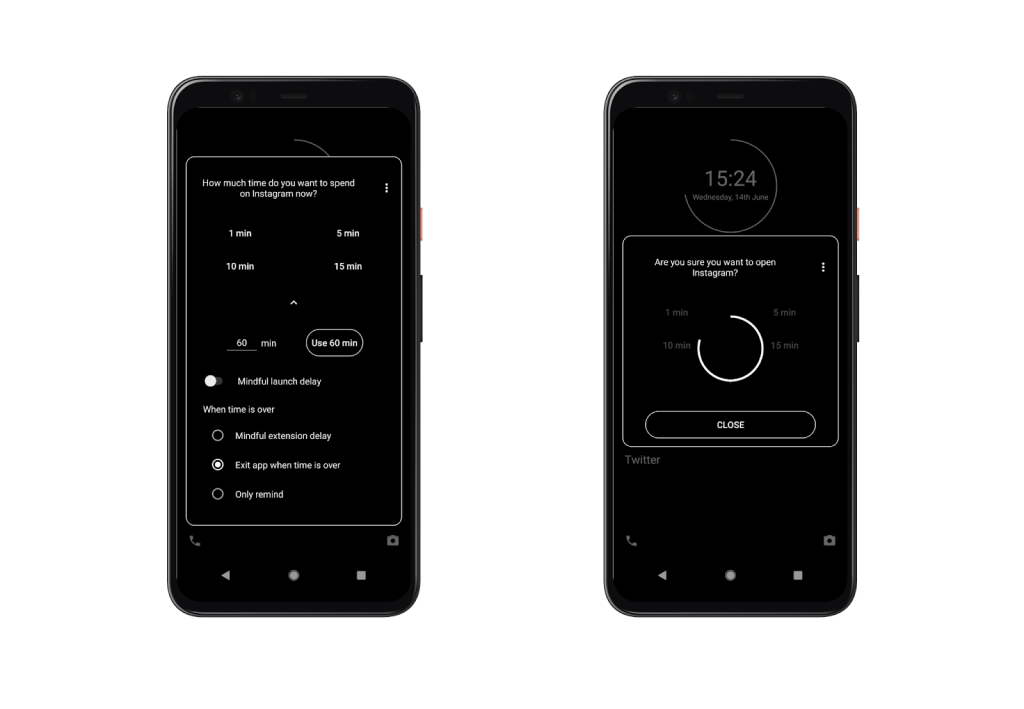
Here are some techniques to guide your decluttering journey:
- The 30-Day Minimalism Game: This game is a fun and gradual way to minimize clutter. On day one, remove one item, on day two, two items, and keep progressing until the month’s end. The goal is to challenge your perceptions and attachments to possessions.
- One In, One Out Rule: This straightforward rule ensures that for every new item acquired, one must be discarded. It is a sustainable approach that keeps accumulation in check and maintains balance.
- Zone Organization: Designate specific spaces for distinct functions. For instance, a reading nook, a workspace, or a relaxation corner. This spatial organization provides clarity and rhythm to your daily life.
By embracing these methods, you pave the way for a workspace that nurtures concentration and innovation.
4. Time Blocking
After physical decluttering, the focus shifts to a more ephemeral asset—time. Mastering time blocking transforms your daily schedule into a well-orchestrated symphony rather than a cacophony of tasks. This method involves dedicating specific time slots to predetermined activities, thus curbing distractions and enhancing productivity.
To implement time blocking effectively:
- Identify Key Tasks: List tasks based on importance and urgency. Clear identification aids in prioritizing what needs attention.
- Allocate Time Slots: Assign realistic durations for each activity. Understanding your personal rhythms can help fine-tune this process for maximum efficiency.
- Stay Disciplined: Discipline is crucial for time blocking. Avoid veering off into multitasking during these focused periods; commit to one task at a time to ensure depth and quality.
Time blocking instills a sense of control and achievement, reinforcing your dedication to a purposeful and productive day.
3. Digital Minimalism
In our technologically dominated world, digital clutter can be invisible yet overwhelming. Practicing digital minimalism is crucial to regaining control over your cognitive bandwidth. It involves curating your digital life to focus solely on value-adding activities.
Integrate these strategies to practice digital minimalism:
- Unsubscribe: Routinely audit and unsubscribe from unnecessary emails and newsletters. This practice reduces inbox overload and prioritizes meaningful correspondence.
- App Audit: Evaluate your digital devices and remove applications that no longer serve a constructive purpose. Redundancy in apps can lead to wasted time and energy.
- Digital Detox Days: Dedicate specific days to unplug from screens. Use this opportunity to rediscover offline hobbies, rejuvenate, and refocus.
Adapting to digital minimalism can substantially enhance focus and allocate mental resources efficiently, bolstering overall productivity.
2. Prioritization with the Eisenhower Matrix
In an era where multitasking is glorified, proper prioritization can feel like a superpower. The Eisenhower Matrix is a potent tool that categorizes tasks based on urgency and importance.
The matrix is divided into these four quadrants:
- Urgent and Important: These tasks should be addressed immediately to prevent setbacks.
- Not Urgent but Important: While these tasks require focus, they can be scheduled and tackled at a steady pace.
- Urgent but Not Important: These are ideal for delegation, freeing up more time for tasks that need your expertise.
- Not Urgent and Not Important: Consider eliminating these tasks to minimize time wastage and concentrate on impactful activities.
By utilizing the Eisenhower Matrix, you streamline decision-making and sharpen your focus, ensuring that energy is spent wisely to magnify results.
1. Establish a Morning Routine
The most transformative minimalist strategy revolves around establishing a solid morning routine. This foundational practice sets a positive tone for the day, allowing you to take control from the onset.
Incorporate these elements into your morning routine for maximum impact:
- Set a Consistent Wake-Up Time: Cultivating the habit of waking up at the same time every day provides structure and starts your day with predictability.
- Incorporate Mindfulness: Engage in activities such as meditation or journaling. These practices encourage self-reflection and mental clarity, preparing you for the challenges of the day.
- Nourish Your Body: A wholesome breakfast fuels your body and enhances concentration. Coupling this with physical exercise invigorates both body and mind.
An intentional morning routine enhances emotional resilience and productivity, enabling a proactive approach to the day’s demands. By aligning your start with intent and purpose, the rest of the day follows suit, reflecting the energy and dynamism you set in place.
Embarking on a minimalist journey through these strategies is not merely about doing more with less; it’s about finding harmony in simplicity, reclaiming control, and amplifying productivity in a world filled with distractions.
| Category | Description |
|---|---|
| Time Management | Utilizing techniques such as the Pomodoro Technique helps break work into manageable intervals, enhancing focus and efficiency. |
| Task Prioritization | Implementing methods like the Eisenhower Matrix allows individuals to differentiate between urgent and important tasks, ensuring that attention is given to what truly matters. |
| Minimalist Workspace | Creating a clutter-free environment promotes mental clarity, allowing for smoother workflow and increased productivity. This can be achieved through regular decluttering and organization. |
| Digital Organization | Utilizing digital tools like Trello or Notion can streamline task management and enhance collaboration, ensuring that important information is always accessible. |
In the realm of personal organization and productivity, adopting minimalist strategies can yield substantial benefits. For instance, implementing Time Management methodologies, such as the Pomodoro Technique, transforms the way tasks are approached by structuring time into focused intervals. This not only enhances concentration but also counters burnout, leading to sustained productivity over longer periods.Moreover, the art of Task Prioritization is vital. Techniques like the Eisenhower Matrix empower individuals to dissect their tasks, categorizing them into urgent and important spheres. This clarity encourages individuals to focus on what truly propels their goals forward rather than getting lost in lesser priorities that may only seem pressing in the moment.An often-overlooked aspect is the physical and psychological impact of a Minimalist Workspace. By maintaining a clutter-free workplace, stress is minimized and focus is enhanced. Regular decluttering practices not only refresh the space but also the mind, allowing one to thrive in an environment conducive to high productivity.Lastly, in our digital age, Digital Organization plays a pivotal role. Embracing sophisticated digital tools like Trello or Notion enhances efficiency, enabling streamlined task management and clearer communication in collaborative projects. These tools serve as centralized platforms for tracking progress and accessing critical information, significantly reducing time wasted searching for data.Embracing these strategies can lead to a transformative impact on productivity, marrying the principles of minimalism with practical application in daily life.
Frequently Asked Questions about Minimalist Personal Organization Strategies for Maximizing Productivity
What are minimalist personal organization strategies?
Minimalist personal organization strategies focus on simplifying your environment and processes to enhance productivity. The core idea is to reduce clutter, eliminate distractions, and prioritize essential tasks. By doing this, individuals can concentrate better on their work and make more efficient use of their resources. Adopting such strategies often involves cultivating habits like decluttering regularly, setting clear goals, and using tools that promote simplicity, such as single-tasking and prioritization techniques.
How can these strategies improve productivity?
By minimizing distractions and focusing only on what matters most, these strategies allow individuals to spend more time and energy on tasks that drive results. For instance, having a clear workspace and a simplified schedule can lead to better concentration and task completion. According to research, environments and routines that reduce decision fatigue and stress can significantly boost productivity levels. Through the emphasis on clear priorities and structured workflows, individuals can not only improve their efficiency but also enhance their mental well-being.
What is an example of a tool or technique used in minimalist organization?
One popular technique is the “Eisenhower Box,” which helps in prioritizing tasks by urgency and importance. This method encourages you to classify tasks into four categories: do first (urgent and important), schedule (important but not urgent), delegate (urgent but not important), and eliminate (neither urgent nor important). By systematically organizing tasks using this method, you can focus on what’s truly significant, eliminating tasks that don’t add value, thus enhancing productivity. Another example is digital tools like Trello or Notion, which help streamline project management in a minimalistic way.
Is minimalist organization suitable for everyone?
While the principles of minimalist organization can be beneficial, they might not suit everyone’s lifestyle or work style. Some individuals thrive in more dynamic or complex environments where creativity and chaos can foster innovation. However, for those who find clutter overwhelming or struggle with focus, adopting elements of minimalist organization can be transformative. The key is to adapt and personalize the principles to fit individual needs and personal goals, ensuring that the approach enhances rather than hinders productivity.
Can minimizing personal belongings affect productivity?
Yes, minimizing personal belongings can have a profound impact on productivity. A clutter-free environment allows for better focus and less mental distraction. Studies suggest that a tidy space correlates with increased productivity and reduced stress levels. By intentionally choosing which items to keep, you create a space that supports your workflow rather than disrupts it. Minimalism in personal belongings extends beyond the physical space to include a digital declutter, ensuring that your digital life supports your productivity goals.
Conclusion: Embracing Minimalist Personal Organization for Enhanced Productivity
In an era where distractions are abundant and time is a precious commodity, incorporating minimalist strategies into personal organization can be a game-changer. Throughout this article, we delved into several key strategies designed to streamline processes and increase efficiency. By focusing on what truly matters, individuals can foster a work environment that promotes better concentration and achievement.
The top five strategies highlighted include decluttering physical spaces, prioritizing tasks with the Eisenhower Box, adopting a digital minimalist approach, setting clear and realistic goals, and establishing consistent daily routines. These tactics are not just about reducing clutter, but about creating space for what adds value to our lives and work. A minimalist approach emphasizes quality over quantity, urging us to hold onto only those possessions or tasks that serve a concrete purpose.
By implementing these strategies, the path to greater productivity becomes clearer. Minimalism encourages us to eliminate the unnecessary in order to focus on what truly drives success. This can lead to improved mental clarity, reduced stress, and a more harmonious balance between personal and professional life. Embracing minimalism in personal organization is not merely a trend but a timeless approach to enhancing productivity and overall well-being.
For those looking to explore further, consider tracking progress over time to better understand which strategies yield the best results. The journey to a more productive, minimalist life is deeply personal and continuously evolving. As such, it provides a unique opportunity to reexamine and refine one’s approach, ensuring that it aligns with personal aspirations and workload demands.
Related posts:
How Minimalism Can Transform Your Approach to Time: Learning to Do Less and Achieve More
How Minimalism Promotes Mental Clarity and Improves Decision-Making in Time Management
Minimalism and the Importance of Daily Rituals: How to Structure Your Time Efficiently
How Minimalism in Personal Life Can Reduce Stress and Improve Time Management
How Simplicity in Daily Life Can Enhance the Quality of Free Time
Personal Organization Strategies to Maximize Productivity in a Minimalist Lifestyle

Linda Carter is a writer and organization expert specializing in minimalism and personal organization. With extensive experience helping individuals create clutter-free, functional spaces and adopt mindful habits, Linda shares her knowledge on our platform. Her goal is to empower readers with practical advice and strategies to simplify their lives, stay organized, and achieve a sense of calm and balance in their daily routines.