Maximizing Small Living Spaces: Strategies for Effective Space Optimization
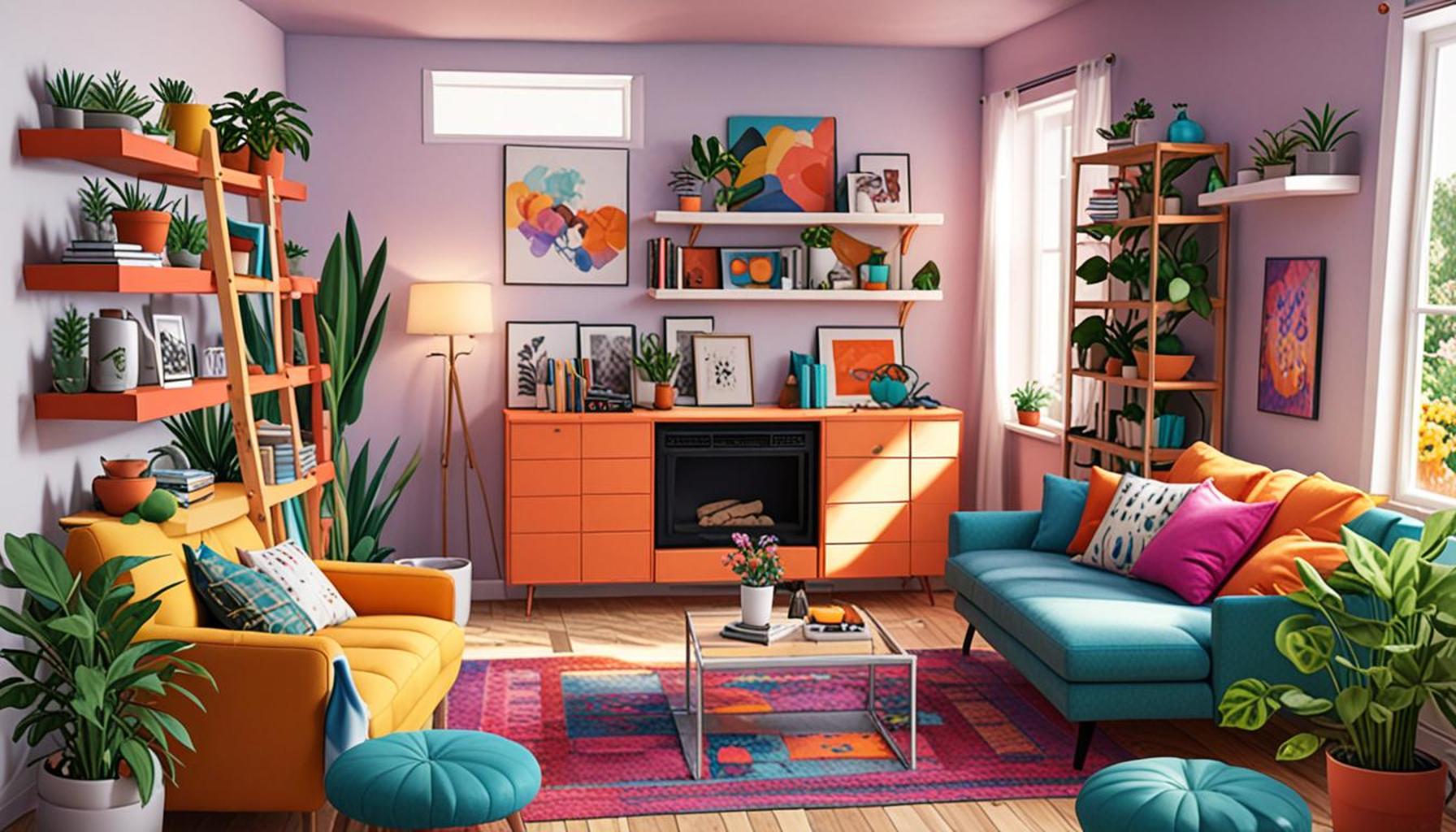
Transforming Your Living Space
In today’s fast-paced world, many find themselves living in smaller homes or apartments. While this can present challenges, it also opens the door to innovative solutions for space optimization. Embracing clever design choices can make a remarkable difference.
The Importance of Space Efficiency
Maximizing small living spaces requires strategic planning and creativity. One effective approach is to invest in multi-functional furniture. For example, consider a sleeper sofa that serves as a comfortable seating area by day and transforms into a bed at night. Alternatively, a coffee table that doubles as storage can help keep your living room tidy without sacrificing style.
Another key strategy is to focus on vertical storage. In smaller homes, floor space is often limited, so utilizing wall space becomes essential. Installing shelving units that reach from the floor to the ceiling can create additional storage for books, decorative items, or kitchenware. Wall-mounted shelves or pegboards not only save space but can also showcase your personal style while keeping clutter at bay.
Decluttering is also vital. Regularly assess your belongings, making it a habit to remove items that no longer serve a purpose in your life. This could involve donating old clothes, recycling unused gadgets, or even digitizing photos to free up physical space. Not only will decluttering make your environment more comfortable, but it also contributes to a greater sense of mental clarity.
Understanding Your Needs
Tailoring your space to fit your lifestyle is crucial. Start by assessing your daily activities. Take note of how you utilize different areas in your home—are you cooking more often, or do you work from home? Understanding these habits can inform your design choices, enabling you to create a layout that enhances your daily experiences.
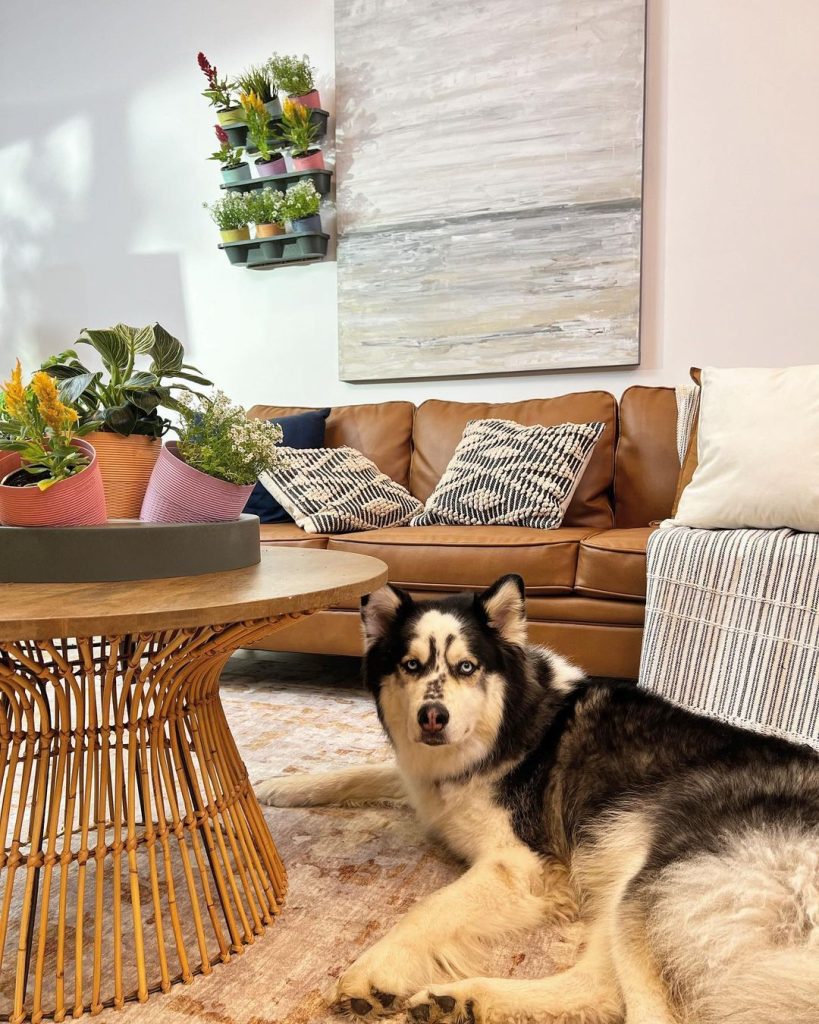
Moreover, consider your personal style. Incorporating design elements that resonate with you can transform a house into a home. This might include choosing a color scheme that reflects your personality or adding artwork that inspires you. Each decorative decision contributes to an atmosphere that is uniquely yours.
Finally, think about future adaptability. Our needs change over time; for instance, a space that works well for a single person may require modification when it becomes a family home. Investing in flexible designs, like expandable dining tables or modular furniture, can accommodate these shifting requirements without substantial renovations.
By implementing these strategies, you can turn a cramped environment into a functional haven. Embrace the art of thoughtful design and explore innovative approaches to elevate your living space, ultimately enhancing your quality of life. The potential is limitless, and the journey toward a beautifully optimized home awaits you.
DIVE DEEPER: Click here for more tips
Innovative Approaches to Space Utilization
When it comes to maximizing small living spaces, the right combination of strategies can lead to creativity and functionality. One of the most impactful tactics is to embrace smart storage solutions. Traditional storage options may not suffice in compact areas, which is why it is essential to think outside the box. For example, clever use of under-bed storage can provide a hidden sanctuary for seasonal clothing or extra linens, while ottomans with internal compartments can serve multiple purposes: a seat, a footrest, and a storage unit all in one.
Additionally, consider integrating hidden furniture options that can be concealed when not in use. Murphy beds, which fold down from the wall, liberate floor space during the day, creating an open atmosphere perfect for entertaining or simply enjoying more room to breathe. Similarly, drop-leaf tables can adjust to accommodate dining needs without sacrificing space when they are not required.
Color and Light: Making a Space Feel Larger
A visually expansive area aids in the perception of space, which can be achieved through thoughtful use of color and light. Lighter shades such as soft whites, beiges, and pale blues reflect natural light, making rooms feel more open and airy. Moreover, the strategic placement of mirrors can amplify the flow of light, creating an illusion of depth.
When it comes to lighting, consider layering your fixtures. A combination of ambient, task, and accent lighting creates warmth and can transform uncomfortable corners into cozy reading nooks. Incorporating dimmable lights allows you to adjust the atmosphere based on your mood, further enhancing the functionality of each space.
Creating Zones in Open Spaces
In smaller homes, the challenge often lies in defining separate areas for various activities. This is where zoning takes center stage. Whether you reside in a studio apartment or a compact two-bedroom, using area rugs can delineate spaces for dining, living, and working without the need for permanent walls. Such divisions help structure your environment, making it easier to transition between activities. Here are some effective strategies to consider:
- Furniture Placement: Arrange furniture strategically to define distinct zones—such as placing a sofa to create a barrier between the living room and workspace.
- Room Dividers: Utilize bookshelves or decorative screens to separate areas while still maintaining an open feeling.
- Visual Cues: Incorporate different color palettes or accessories for each zone to clearly distinguish them while still keeping the overall design cohesive.
By integrating these space optimization strategies, you can transform your small living area into a haven that feels spacious and inviting. Emphasizing functionality alongside aesthetics paves the way for an innovative home, ensuring that even the tiniest spaces can reflect your unique lifestyle and preferences.
Creative Storage Solutions for Small Spaces
When it comes to maximizing small living spaces, one of the most effective strategies is implementing innovative storage solutions. Utilizing vertical space is crucial; think tall bookshelves, wall-mounted racks, and hanging organizers. For instance, a floor-to-ceiling bookshelf not only acts as a storage unit but also creates an illusion of height, making rooms feel more expansive. Furthermore, multi-functional furniture can drastically change the way you perceive space. Consider a coffee table that doubles as a storage box or a sofa bed that provides an extra sleeping area for guests. These pieces redefine functionality while keeping comfort in mind, making them ideal for small living environments.
Light and Color: The Psychology of Space
Another element to consider in the space optimization equation is light and color. Bright colors and reflective surfaces can enhance the feeling of openness in a room. Light-colored walls, paired with strategically placed mirrors, can create depth and brightness. These visual tricks make spaces appear larger than they actually are, allowing residents to feel more at ease in their compact homes.Additionally, utilizing natural light can elevate the ambiance significantly. Positioning furniture to allow sunlight to flow can invigorate your space and improve mood. Installing skylights or using sheer curtains can facilitate this, making even the smallest areas feel welcoming and open.
Decluttering and Minimalism
Embracing a minimalist lifestyle serves as a fantastic method for space optimization. By decluttering regularly, you can maintain an organized and tidy living environment that fosters creativity and relaxation. Consider implementing the “one in, one out” rule to prevent unnecessary accumulation of items.Utilizing smart storage solutions, like under-bed boxes or ottomans with hidden compartments, can further enhance your efficiency. This not only helps in keeping your living space neat but also encourages a more intentional approach to belongings, offering a sense of freedom in your home.In conclusion, small living spaces can be transformed into functional and aesthetic areas with the right strategies. By creatively employing storage solutions, focusing on light and color, and embracing minimalism, you can maximize your space while fostering a sense of peace and organization. As urban living continues to rise, mastering these techniques will become an invaluable asset for contemporary dwellers.
DISCOVER MORE: Click here to enhance your productivity
Furniture That Works Hard for You
In small living spaces, multifunctional furniture is an absolute must. Selecting items that can serve multiple purposes not only conserves space but also enriches the overall design aesthetic. Consider investing in a sofa bed, which can seamlessly transition from a comfortable seating area by day to a cozy sleeping space by night. This flexibility allows you to host guests without dedicating an entire room as a guest bedroom, making it ideal for urban dwellers or those with limited square footage.
Another brilliant example of multifunctionality is a dining table that doubles as a workspace. Many contemporary designs incorporate drop-leaf extensions, enabling the table to function effectively in various scenarios—whether it’s a solo meal or a gathering of friends. Workspace needs can change throughout the day; thus, having a dedicated area that can readily adapt is crucial in small living environments.
Vertical Solutions: Utilizing Walls and Ceilings
Another game-changing approach involves utilizing the vertical space available in your home. Walls and ceilings often go underutilized, yet they hold significant potential for storage and design. Wall-mounted shelving units not only provide essential storage but can also serve as display areas for books, plants, or decorative items, thereby adding personality to the space. By drawing the eye upward, you create an illusion of higher ceilings, enhancing the overall openness of the room.
Utilizing hooks or pegboards for hanging items such as kitchen utensils or office supplies can also free up valuable counter and desk space. Ceiling-mounted storage racks are another functional option in areas like kitchens or garages. These configurations maximize space efficiency and maintain a neat appearance.
Outdoor Extensions: Making the Most of Balconies and Patios
If your small living space includes outdoor areas, treating these as extensions of your interior can significantly increase your usable square footage. Small balconies or patios can be transformed into charming retreats by incorporating space-saving outdoor furniture, like folding chairs or stackable tables. Vertical gardens not only beautify these spaces but also efficiently utilize wall space by allowing you to grow herbs and flowers without taking up precious ground area.
In urban settings, where natural elements are limited, creating a tranquil outdoor oasis can provide an escape from the hustle and bustle of city life. Strategically placed plants, outdoor rugs, and fairy lights can create an inviting atmosphere that encourages relaxation and entertainment, making your living space feel more expansive and versatile.
Embracing Minimalism: The Art of Letting Go
Finally, a critical aspect of optimizing a small living space lies in embracing minimalism. Evaluating what truly brings joy and serves a function is essential when it comes to curating your belongings. Implementing the “one in, one out” rule encourages mindfulness in purchases and prevents overcrowding. Regularly decluttering spaces not only fosters organization but also reduces visual noise, which can make areas seem larger and more inviting.
As we navigate the challenges of small spaces, it’s essential to stay focused on innovative strategies that prioritize functionality without sacrificing style. By employing these deliberate techniques, even the most compact homes can be transformed into stylish sanctuaries that mirror the personal tastes and needs of their inhabitants.
DISCOVER MORE: Click here for practical tips
Conclusion: Embracing Creativity in Small Living Spaces
In the quest to maximize small living spaces, the fusion of creativity and functionality is paramount. As we’ve explored, incorporating multifunctional furniture and embracing minimalism are not just trends—they are practical necessities that elevate our daily living experience. From sofa beds to adaptable dining areas, every piece of furniture can enhance both space and style while accommodating the diverse needs of urban life.
Furthermore, leveraging vertical space through wall-mounted shelving or ceiling storage not only optimizes efficiency but also creates an aesthetic appeal that can leave a lasting impression. It encourages smart organization, ensuring that even the smallest of homes can feel spacious and inviting.
Don’t overlook the outdoor potential of your small living area. Transforming balconies and patios into usable extensions enriches your living environment and provides a much-needed respite from the indoor confines, reminding us that every inch matters.
As you implement these strategies, remember that the heart of successful space optimization lies in personal expression. The deliberate selection of items that resonate with your lifestyle, coupled with a mindful decluttering routine, can create a harmonious sanctuary that reflects your unique style.
Ultimately, maximizing small living spaces is about crafting an environment where functionality meets comfort, and creativity knows no bounds. For those ready to embark on this journey, the possibilities are endless. Dive deeper into practical solutions and innovative designs, and discover how your small living space can evolve into a true reflection of you.
Related posts:
Embracing Minimalism in Shared Living: Space Optimization for Harmony
Incorporating Vertical Space: Creative Solutions for Minimalist Living
Maximizing Small Living Spaces: Innovative Space Optimization Techniques for Minimalist Lifestyles
The Art of Minimalist Decorating: Using Space Optimization to Create Visual Serenity
The Impact of Color Choices on Space Perception in Minimalist Design
Maximize Small Spaces Minimalist Organization Tips for Urban Apartments

Linda Carter is a writer and organization expert specializing in minimalism and personal organization. With extensive experience helping individuals create clutter-free, functional spaces and adopt mindful habits, Linda shares her knowledge on our platform. Her goal is to empower readers with practical advice and strategies to simplify their lives, stay organized, and achieve a sense of calm and balance in their daily routines.