Embracing Minimalism in Shared Living: Space Optimization for Harmony
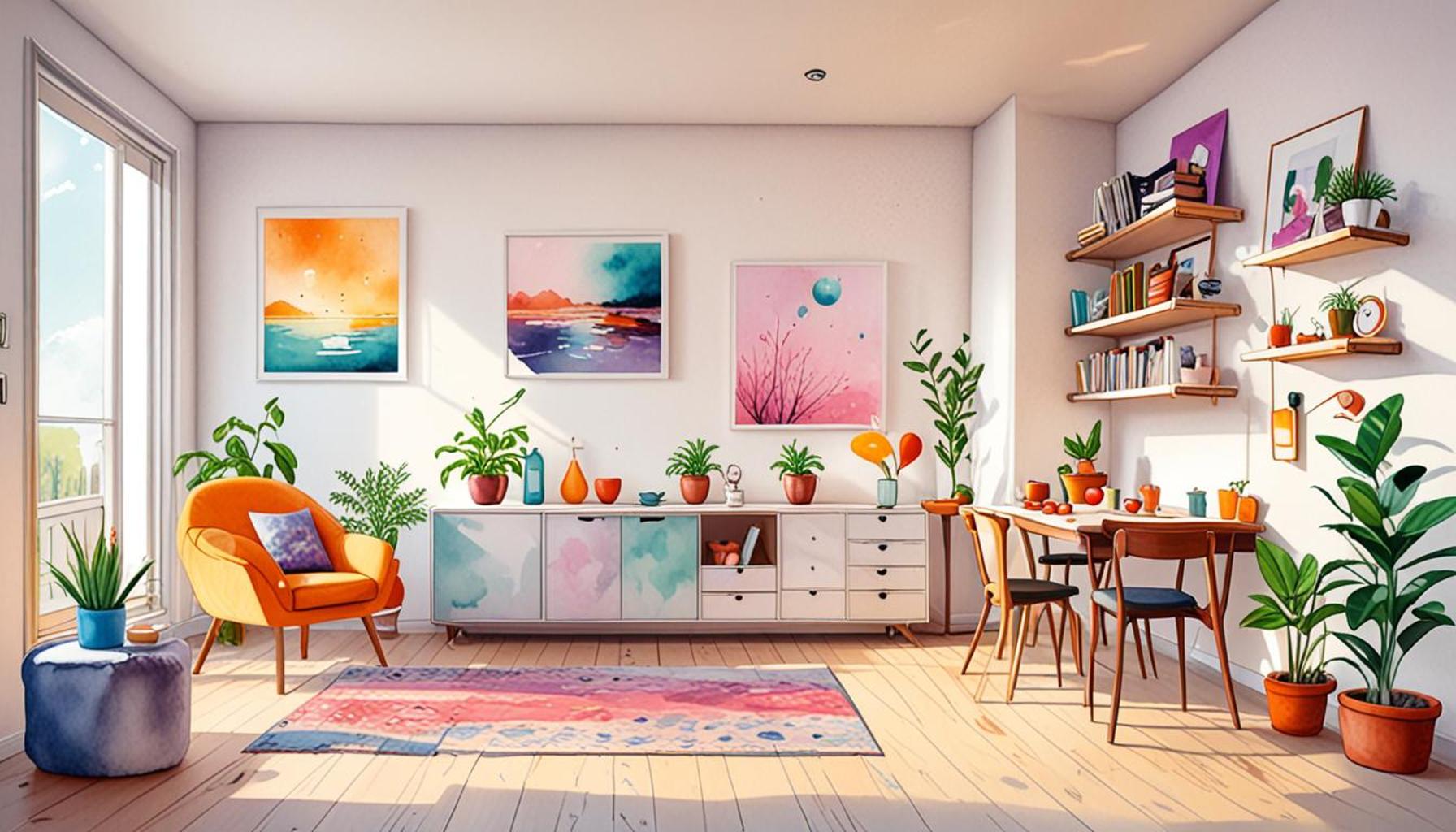
Understanding the Importance of Space Optimization in Shared Living
In recent years, urban living has surged, with more individuals making the transition to shared living arrangements, whether through college dormitories, shared apartments, or multi-generational homes. This rise brings with it a host of challenges, particularly regarding effective space optimization. With limited square footage and multiple occupants, finding ways to cultivate a peaceful, organized, and functional living space is crucial to maintaining harmony.
One of the most appealing aspects of minimalism is its ability to streamline our lives, especially in shared environments. The philosophy promotes keeping only the essentials and discarding the unnecessary, thereby elevating our living conditions. Consider the following advantages of minimalism in shared living:
- Improved Clarity: A clutter-free environment does wonders for mental health. Research has suggested that physical clutter can lead to cognitive overload, making it harder to focus and relax. By prioritizing a clean space, all residents can experience reduced stress and increased clarity, leading to a more productive and enjoyable day-to-day life.
- Enhanced Communication: Less mess translates to clearer communication. When common areas remain tidy, which becomes a mutual priority, it reduces friction over shared responsibilities. This encourages open dialogues among housemates about upkeep, reinforcing a sense of teamwork and shared goals.
- Increased Functionality: With fewer items vying for attention, the functionality of spaces can be dramatically improved. Each piece of furniture, art, or utility has a designated purpose, allowing common areas, like the living room or kitchen, to serve multiple roles—whether it’s for socializing, working, or relaxing.
The journey towards a minimalist lifestyle may seem intimidating at first, but the benefits are far-reaching. Adopting minimalism facilitates the use of practical techniques that encourage habit change. For example:
- Decluttering Techniques: Implement strategies like the “one in, one out” rule, where every new item brought into the home is offset by the removal of an existing one. This keeps clutter at bay and forces continual evaluation of what is truly necessary.
- Smart Storage Solutions: Utilize under-bed storage, multifunctional furniture like ottomans with hidden compartments, or wall-mounted shelves to maximize vertical space, lessening the footprint of furniture while still providing essential storage.
- Community Mindset: Establishing a shared commitment to minimalism fosters a communal effort toward maintaining order. Regular group check-ins can be set aside to discuss how well the shared living space meets everyone’s needs.
From the cramped apartments of New York City to larger shared homes in the suburbs, embracing minimalism introduces greater peace and joy into our living environments. The practice encourages a lifestyle where inhabitants feel lighter both physically and mentally, allowing them to redirect their energies toward nurturing relationships and personal passions.
As we explore this fascinating intersection of minimalism and shared living further, readers will uncover practical tips and insights that can lead to a harmonious coexistence. With each step toward a minimalist approach, occupants can transform their living spaces into tranquil retreats that enhance well-being and collective happiness.
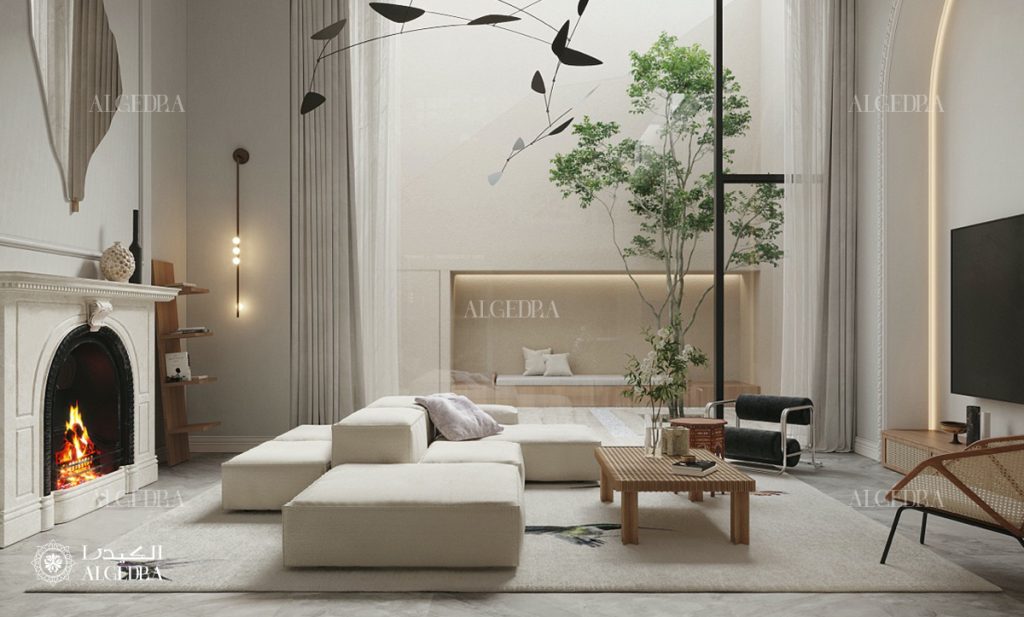
DIVE DEEPER: Click here to discover mindful spending tips
Practical Strategies for Implementing Minimalism in Shared Spaces
Transitioning into a minimalist lifestyle within shared living arrangements may initially seem daunting; however, several practical strategies can facilitate this worthwhile endeavor. By embedding the principles of minimalism into daily routines, residents can champion organization, harmony, and a communal spirit.
One of the first steps toward embracing minimalism involves actively decluttering. This process is not merely about throwing items away but rather critically assessing what truly contributes to the household’s well-being. Some impactful methods to initiate the decluttering process include:
- The Four-Box Method: Allocate four boxes labeled ‘keep,’ ‘donate,’ ‘sell,’ and ‘trash.’ As items are evaluated, residents can decide their fate using this straightforward system. This not only streamlines the decluttering process but also encourages shared decision-making among housemates.
- Seasonal Reviews: Schedule seasonal reviews of personal and communal belongings. Each season marks a natural break, prompting individuals to reassess their possessions and identify items that are no longer used or needed. This routine creates a continual dialogue around minimalism and promotes a collective effort to maintain a clutter-free environment.
- Digital Decluttering: In today’s digital age, managing physical belongings extends to the virtual realm. Encourage all residents to regularly purge unnecessary files, photos, and applications from their devices to promote a cleaner digital landscape that parallels the physical space.
In tandem with decluttering, residents can explore smart storage solutions that maximize available space while also promoting minimalism. These strategies ensure that shared living arrangements can remain functional and aesthetically pleasing:
- Vertical Space Utilization: Opting for vertical organizers and wall-mounted shelves allows for increased storage capacity without encroaching on floor space. This method not only enhances the visual appeal of shared areas but also enables easy accessibility of frequently used items.
- Multi-Functional Furniture: Investing in furniture that serves multiple purposes, such as a sofa bed or a coffee table with storage compartments, can transform limited spaces into versatile areas. Such pieces enable residents to adapt their environments according to various activities, from hosting guests to enjoying movie nights.
- Strategic Room Layout: Reevaluating the arrangement of furniture can lead to significant improvements in space optimization. By ensuring rooms have a logical flow, areas can feel larger and more welcoming, which promotes tranquility and social interaction.
Moreover, creating a community mindset around minimalism fosters collective responsibility and encourages active participation among housemates. Open discussions about the importance of maintaining a minimalist environment can lead to shared goals, making every resident feel invested in their space. By conducting regular meetings to evaluate the household’s adherence to minimalism, residents can reassess and refresh their strategies, paving the way for stronger bonds and streamlined living.
Ultimately, although the idea of minimalism may seem simple at face value, it requires ongoing effort and cooperation within shared living arrangements. By implementing effective decluttering methods, discovering smart storage solutions, and nurturing a collaborative spirit, individuals can vastly improve their living conditions while engaging in a lifestyle marked by peace, simplicity, and harmony.
| Category | Description |
|---|---|
| Space Efficiency | Maximizing usable space in shared environments through thoughtful layout and furniture selection enhances both functionality and comfort. |
| Reduced Clutter | Minimizing excess items fosters a peaceful atmosphere, promoting a sense of harmony and improving mental clarity among housemates. |
| Shared Harmony | Creating a unified aesthetic through minimalist design encourages emotional connection and cooperative living, enhancing relationships among residents. |
| Maintenance Simplicity | Simplified cleaning and organization processes lead to a more enjoyable living experience, reducing stress and allowing residents to focus on shared activities. |
When embracing minimalism in shared living, the focus on space optimization doesn’t just apply to physical aspects but extends to emotional well-being and social interactions. By prioritizing space efficiency, individuals are able to cultivate homes that are adaptable and welcoming. The art of reducing clutter naturally leads to a tranquil living space, where each resident can find solace amidst their shared responsibilities. Moreover, shared harmony cultivated through a cohesive aesthetic beautifies the environment and strengthens bonds. Finally, the simplification of maintenance routines not only saves time but enriches the communal lifestyle, allowing for more shared moments and less fuss. These aspects of minimalism promote a rich, harmonious living experience that every resident can appreciate.
DISCOVER MORE: Click here to learn about essential tools
Cultivating Mindfulness and Intentionality in Shared Living
Beyond decluttering and maximizing physical space, embracing minimalism in shared living requires a pivotal shift toward mindfulness and intentionality. This involves being deliberate about both the items that occupy shared areas and the behaviors that contribute to a harmonious living environment. Residents who cultivate awareness around their consumption habits and day-to-day interactions can foster a tranquil atmosphere that benefits everyone.
One key aspect of intentional living is fostering a shared value system regarding possessions. Residents should engage in meaningful discussions about what minimalism means to them as a group, creating a unified approach to consumerism. This can involve setting guidelines for acquiring new items to prevent clutter from accumulating once more. For example, housemates might adopt a collective rule, such as implementing a one-in-one-out policy, where adding a new item necessitates the removal of another. This principle encourages thoughtful purchases and reduces impulsive buying, which can easily disrupt the minimalist environment.
Another critical component of mindfulness in shared living is establishing designated communal zones. These areas should be free from personal items, allowing residents to enjoy shared spaces without the distraction of clutter. For example, creating a communal reading nook with one curated selection of books encourages not only relaxation but also collaboration among household members. By understanding the importance of shared zones, residents develop a sense of belonging and unity while maintaining a minimalist aesthetic.
Moreover, empowering residents to embrace a zero-commitment approach to items can help solidify a minimalist lifestyle. By promoting borrowing over ownership, housemates can significantly reduce the volume of possessions in shared living spaces. This can be manifested through a communal library or tool-sharing program where residents can access items without the full responsibility of ownership. Integrating systems for borrowing fosters cooperation and accountability, allowing residents to benefit from shared resources while committing to the principles of minimalism.
In addition to addressing belongings, cultivating mindfulness encompasses communication and respect for one another’s personal space and boundaries. Establishing open lines of dialogue ensures that any concerns regarding lifestyle choices or shared responsibilities are addressed promptly. Approaching these conversations with empathy and understanding fosters not only personal growth but also strengthens the communal spirit of shared living. Scheduling regular check-ins allows residents to discuss their experiences living a minimalist lifestyle while also evaluating the communal goals they have set together.
Furthermore, incorporating mindful practices into daily routines can greatly enhance the overall living experience. Activities such as yoga, meditation, or group mindfulness sessions can create a tranquil atmosphere that complements the minimalist lifestyle. Encouraging these habits nurtures individual well-being while reinforcing the collective commitment to minimalism. Promoting wellness within shared spaces encourages residents to invest in both themselves and their shared environment.
Acknowledging the power that mindfulness and intentionality have on creating harmony within shared living arrangements is crucial to fully embracing minimalism. As residents work towards cultivating a lifestyle characterized by balance, simplicity, and shared responsibility, they will find that their collective journey enhances their shared experience, leading to stronger connections and a more profound sense of community.
DISCOVER MORE: Click here for practical tips on minimalist home organization
Conclusion: The Path to Harmonious Shared Living through Minimalism
In an era where consumerism often reigns supreme, embracing minimalism in shared living offers a refreshing alternative that prioritizes harmony and intentionality. By significantly optimizing shared spaces and encouraging open communication among residents, households can form a collaborative environment that nurtures well-being and community. Through the principles of mindfulness and intentionality, individuals learn to appreciate what truly matters, allowing them to cultivate deeper connections with their housemates.
The practices discussed, such as fostering a shared value system, implementing designated communal zones, and embracing a zero-commitment approach, illustrate tangible methods for residents to minimize clutter while maximizing tranquility. These strategies not only enhance the aesthetics of the living space but also invite a sense of responsibility toward one another and the shared environment. As shared living arrangements grow in popularity, particularly in urban areas across the United States, the need for effective systems of organization and cooperation becomes increasingly important.
Ultimately, solidifying a minimalist lifestyle in shared living contexts is about more than just physical space; it is a journey toward a collective and mindful existence. As residents engage in open dialogue, practice self-awareness, and promote wellness, they build a foundation for a peaceful and united living experience. Through minimalism, individuals can transform their homes into sanctuaries of connection, balance, and simplicity, paving the way for a more fulfilling shared experience. In the spirit of discovery, those considering this lifestyle are encouraged to reflect on their values and practice intentional living—uncovering the profound benefits of minimalism in their own communal spaces.
Related posts:
Maximize Small Spaces Minimalist Organization Tips for Urban Apartments
Maximizing Small Living Spaces: Strategies for Effective Space Optimization
Transforming Cluttered Closets into Organized Minimalist Spaces
Seasonal Minimalism: Adjusting Your Space Optimization Strategies Throughout the Year
The Impact of Color Choices on Space Perception in Minimalist Design
Maximizing Small Living Spaces: Innovative Space Optimization Techniques for Minimalist Lifestyles

Linda Carter is a writer and organization expert specializing in minimalism and personal organization. With extensive experience helping individuals create clutter-free, functional spaces and adopt mindful habits, Linda shares her knowledge on our platform. Her goal is to empower readers with practical advice and strategies to simplify their lives, stay organized, and achieve a sense of calm and balance in their daily routines.