Decluttering for Efficiency: How Space Optimization Enhances Personal Organization
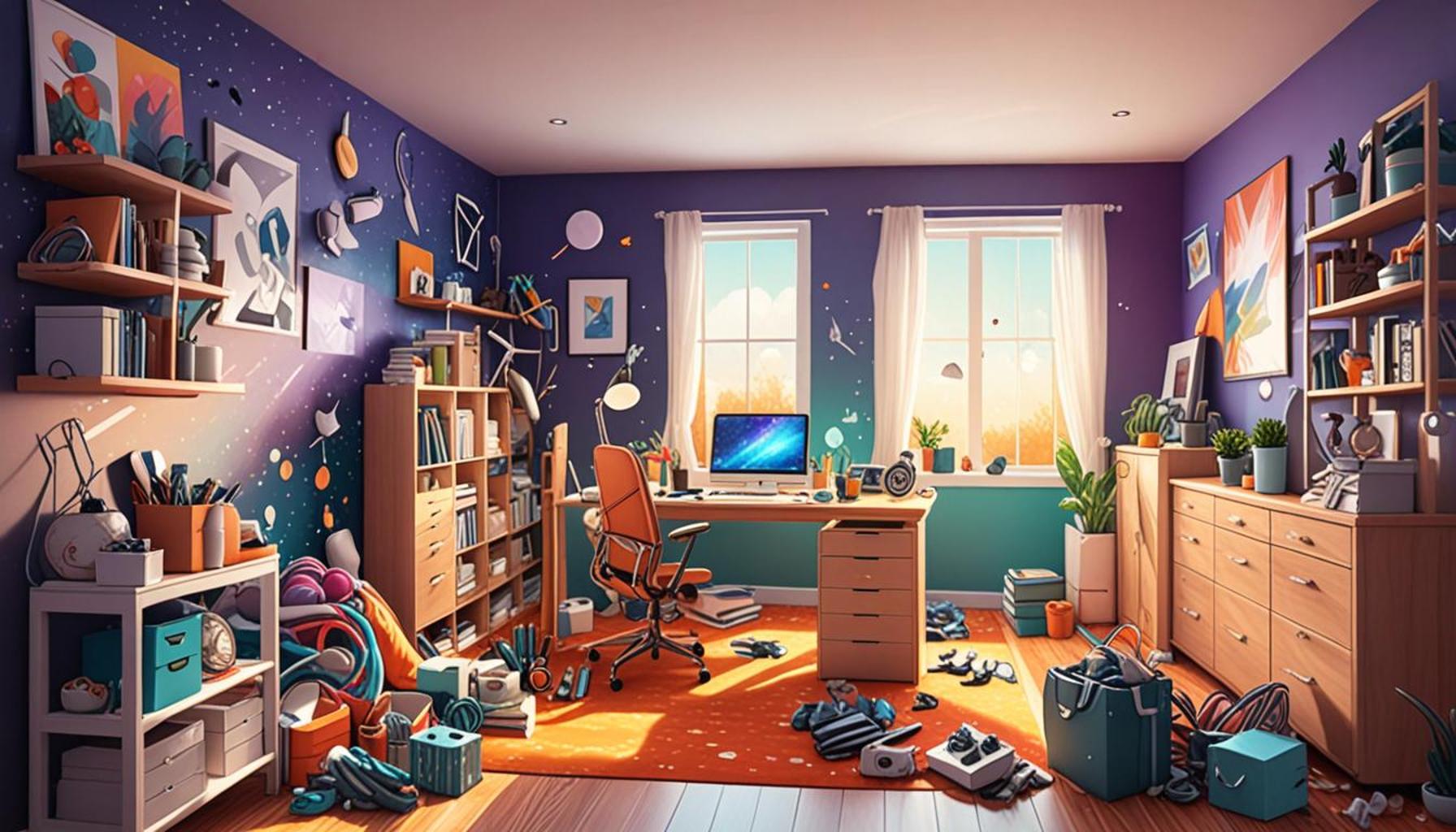
Embrace Clarity Through Decluttering
The modern world presents us with endless stimuli, making organization a crucial part of daily life. Decluttering isn’t just about tidying up; it’s a strategy to enhance efficiency and improve focus. By rethinking our spaces, we can create environments that foster productivity and well-being.
Why Declutter?
- Increased productivity: A clear workspace can help clear your mind.
- Reduced stress: A tidy environment contributes to a more peaceful state.
- Improved time management: Finding items becomes quicker and easier.
According to a study by the National Association of Professional Organizers, 83% of Americans say they feel overwhelmed by the amount of clutter in their homes. This overwhelming feeling can lead to procrastination and decreased motivation. Clutter distracts the mind, making it harder to focus on tasks at hand. In contrast, an organized environment can breathe new life into your daily routines and enhance mental clarity.
Interestingly, this sentiment is echoed across diverse demographics. For instance, a busy parent juggling work and family life may find themselves buried under toys and paperwork, leading to a chaotic home atmosphere. This chaos not only creates physical barriers but can also contribute to psychological stress, affecting family dynamics and individual mental health.
Key Benefits of Space Optimization
- Maximized efficiency: Utilize every inch of your space effectively. Strategic storage solutions—like under-bed storage bins or over-the-door organizers—can turn neglected areas into functional spaces.
- Enhanced creativity: A clutter-free space can inspire innovative thinking. Many artists and creators find that clean and serene spaces allow their creativity to flow freely, inspiring new ideas and projects.
- Heightened focus: Fewer distractions allow for deeper concentration. Studies have shown that individuals working in organized environments are often more productive, completing tasks faster and with greater accuracy.
As we delve deeper into the art of decluttering, it becomes evident that the journey toward personal organization is not just beneficial, but essential. For example, the minimalist movement emphasizes reducing possessions to only those that serve a purpose or bring joy, showcasing how less truly can be more. Are you ready to discover how optimizing your space can revolutionize your everyday life?
By employing decluttering strategies, such as the popular Marie Kondo method, individuals can significantly alter their living environments and, subsequently, their mental states. The benefits of embracing clarity through decluttering extend beyond aesthetics; they pave the way for improved emotional well-being, enhanced relationships, and increased overall satisfaction in life.
DIVE DEEPER: Click here to uncover mindful spending strategies
Transform Your Space, Transform Your Mind
As we embark on the journey of decluttering, it’s essential to focus not only on physical spaces but also on how our environment influences our mindset. Space optimization goes beyond mere organization; it’s about creating a conducive atmosphere that encourages efficient living and enhances personal productivity. In a world where distractions are omnipresent, organizing our surroundings offers a crucial pathway to reclaiming control over our time and energy.
The Science Behind Clutter and Productivity
Research indicates that a cluttered environment can have profound effects on our mental processing. A study published in the journal Environment and Behavior found that participants working in organized spaces demonstrated higher levels of focus and performed better on tasks requiring attention. By removing unnecessary items, we reduce cognitive overload, allowing our brains to direct energy toward tasks that matter. Specifically, individuals who maintain tidy workspaces report feeling less stressed and more capable of effectively managing their workload.
Practical Steps to Declutter and Optimize Space
While the benefits of decluttering are clear, the process can often seem daunting. To help ease your transition into a more organized lifestyle, consider the following practical steps:
- Establish a “One In, One Out” Rule: For every new item you bring into your home, choose one to let go of. This practice helps maintain balance and prevents accumulation.
- Sort Items into Categories: Create categories such as keep, donate, recycle, or discard. By physically sorting items, you’ll gain a clearer sense of what you truly need.
- Invest in Functional Storage Solutions: Use clear bins, drawer dividers, or shelving to organize items systematically. Lightweight and stackable options can maximize vertical space.
- Commit to Regular Decluttering: Set aside time each month to reassess your belongings. Regular maintenance prevents clutter from accumulating while reinforcing your organizational goals.
These steps are fundamental in the practice of space optimization and can lead to a significant transformation in both your physical environment and mental well-being. For instance, a professional working from home may find that setting up a dedicated workspace with fewer distractions enables them to deepen their focus on high-priority tasks. Not only does this shift enhance productivity, but it also establishes a healthy separation between work and leisure, contributing to overall job satisfaction.
It’s interesting to note that even small changes can lead to substantial improvements. A single organized corner of a room can serve as a microcosm of clarity that can inspire a broader shift throughout the home. As we continue exploring the nuances of decluttering and space optimization, consider how strategic organization can impact everyday living in ways you may not have imagined.
| Category | Description |
|---|---|
| Space Utilization | Maximizing every inch of your space can significantly enhance your organizational efforts. Horizontal and vertical space can be optimized to increase accessibility and efficiency. |
| Enhanced Focus | Less clutter leads to fewer distractions, allowing for improved concentration and productivity. A decluttered space fosters a calm environment conducive to clear thinking. |
Furthermore, clearing out excess items streamlines processes and can heighten a sense of accomplishment. By implementing systems such as labeling and categorization, tasks become clearer, reducing decision fatigue. Moreover, thoughtful space design can enhance functionality, showcasing that the layout of your environment has a direct impact on your workflow efficiency.Incorporating organizational tools like containers, shelves, and digital apps can further support your decluttering efforts. These tools not only serve to keep your space orderly but also help maintain organization over time. Utilizing effective storage solutions encourages the habit of returning items to their designated spaces, critical for sustaining long-term efficiency.Utilizing the concept of ‘minimalism’ can also prove beneficial. Adopting a minimalist approach encourages you to focus on what truly matters while eliminating the excess. This intentional curation of belongings can lead to increased clarity and potential for personal growth. Overall, the journey toward space optimization is an impactful avenue to explore for anyone aiming to enhance their personal organization.
DISCOVER MORE: Click here to learn about mindful spending
Maximizing Efficiency Through Mindful Decluttering
Understanding the importance of a decluttered environment is just the beginning; adopting a mindful approach to space optimization can amplify its benefits. The principle of mindful decluttering involves a deeper examination of the purpose and utility of each item in your space. This strategy not only prioritizes efficiency but also promotes a sense of gratitude for what you own.
Emotional Considerations in Decluttering
Many individuals find it challenging to part with their belongings due to emotional attachments. A study from the Journal of Environmental Psychology suggests that our possessions often hold sentimental value, which can complicate the decluttering process. To navigate this emotional landscape, consider asking yourself a series of guided questions: Does this item serve a current purpose? Does it bring me joy? If it were lost, would I replace it? This reflective approach aids in making more objective decisions about what to keep and what to release.
Leveraging Technology for Organization
In our tech-driven age, numerous applications and tools are available to aid in decluttering and organization. Apps such as Todoist or Evernote can assist in tracking tasks and managing projects, while tools like Sortly can optimize inventory management for businesses and homes alike. Utilizing these digital resources can facilitate a more organized workflow, allowing you to spend less time managing your possessions and more time focusing on your priorities.
The Impact of Informed Design on Productivity
Have you ever considered how the layout of your space impacts your productivity? Research in the field of environmental psychology conveys that spaces designed with your workflow in mind can significantly enhance efficiency. For example, keeping essential tools within arm’s reach and separating workspaces from leisure areas can minimize distractions. The Fibonacci sequence, commonly found in nature, is often applied to create visually pleasing and functional layouts in both home and office settings. By mirroring the flow of natural surroundings, you can invigorate your productivity levels.
Case Study: The Corporate World Embraces Decluttering
The corporate landscape increasingly recognizes the practical benefits of decluttering for enhancing efficiency. Iconic companies like Google and Apple have implemented open office designs to reduce clutter and encourage collaboration, leading to increased employee satisfaction and creativity. These environments promote not only a clear physical organization but also foster a sense of community and support, enhancing collective performance. Studies show that companies that prioritize organized workspaces reduce employee burnout and retain top talent, illustrating the profound impact of space optimization in professional settings.
Cultivating Sustainable Decluttering Habits
Finally, to sustain your decluttering efforts, consider adopting habits that promote less accumulation from the start. Before making a purchase, ask yourself if the item is essential or merely an impulse buy. Implementing a waiting period before acquiring new items can also help determine their necessity. As environmental consciousness grows, the challenge of decluttering intersects with sustainability, urging individuals to seek items that bring both value and longevity.
By integrating mindfulness into your decluttering process, leveraging technology, and understanding the design of your space, you can create an environment that not only maximizes efficiency but also enhances your overall quality of life. As we delve deeper into the layers of decluttering and its significance, the potential for a transformed life rooted in organization and clarity becomes increasingly apparent.
DISCOVER MORE: Click here for valuable tips
Conclusion: Embracing the Path to Organized Living
In a world characterized by constant change and distractions, decluttering for efficiency emerges as a transformative practice that goes beyond simple tidiness; it serves as a catalyst for heightened personal organization and overall well-being. The art of thoughtful decluttering encourages individuals to confront their attachments, challenge consumer habits, and thoughtfully assess the functionality of their possessions. By prioritizing items that genuinely add value to our lives, we not only ease the physical clutter but also create mental clarity.
Furthermore, integrating technology into our organizational routines can significantly streamline daily tasks, freeing up precious time for what truly matters. Whether it’s employing productivity apps for project management or utilizing digital inventory tools, these resources empower us to take back control over our environments.
As evidenced by the corporate shift towards more open and collaborative office designs, the benefits of space optimization are not exclusively personal; they contribute to improved workplace dynamics and efficiency as well. Such case studies highlight a broader movement that recognizes the relationship between physical space and productivity effectiveness.
Ultimately, cultivating sustainable decluttering habits fosters a mindset of intentional living, where each purchase and decision is made with purpose. As we embark on the journey of space optimization, we embrace not only a clearer environment but also an enriched experience of life itself. The pathway to a more organized, efficient, and rewarding existence begins with a single step—choosing to declutter and optimize our spaces for a brighter, more purposeful tomorrow.
Related posts:
The Psychology of Decluttering: How Space Optimization Enhances Mental Clarity and Focus in Minimali...
Tech-Savvy Minimalism: Using Smart Devices to Maximize Space Efficiency
Transforming Cluttered Closets into Organized Minimalist Spaces
Optimal Storage Solutions: Organizing Your Space with a Minimalist Mindset
The Art of Minimalist Decorating: Using Space Optimization to Create Visual Serenity
Maximize Small Spaces Minimalist Organization Tips for Urban Apartments

Linda Carter is a writer and organization expert specializing in minimalism and personal organization. With extensive experience helping individuals create clutter-free, functional spaces and adopt mindful habits, Linda shares her knowledge on our platform. Her goal is to empower readers with practical advice and strategies to simplify their lives, stay organized, and achieve a sense of calm and balance in their daily routines.