The Role of Physical Space in Time Efficiency: How a Minimalist Environment Increases Mental Clarity

Understanding the Impact of Physical Space on Productivity
In today’s fast-paced world, distractions seem to be lurking around every corner, vying for our attention and fragmenting our focus. The way we design and maintain our physical spaces can significantly influence our productivity and mental well-being. A minimalist environment plays an essential role in this equation by reducing clutter and fostering a more conducive setting for concentration and efficiency.
Less Clutter Leads to Greater Focus
One of the most immediate benefits of a minimalist workspace is the reduction of clutter. Studies have shown that individuals who work in tidy environments are less distracted and report higher levels of productivity. For instance, an office with excessive paperwork, unnecessary decorations, and disorganized tools can lead to a chaotic mental state. In contrast, a workspace devoid of such clutter allows individuals to direct their attention towards their tasks. As a practical example, research has indicated that employees in clean offices are 20% more productive than their cluttered counterparts. This statistic illustrates the tangible benefits of organized spaces.
Fostering Focus and Mental Clarity
In minimalist settings, individuals often experience improved focus. When the environment is streamlined, it becomes easier to engage deeply with the assigned tasks. Reducing cognitive overload is vital for achieving high performance, as too many stimuli can paralyze decision-making and impair attention. For example, many successful tech companies, like Google, promote open spaces with few distractions to enhance employee focus and creativity. By adopting this strategy, they create an atmosphere that allows their teams to think critically and solve problems effectively.
Enhancing Creativity Through Organization
A well-organized space not only improves focus but also enhances creativity. An uncluttered environment encourages innovative thinking, as it eliminates interruptions that can stifle inspiration. Many artists, writers, and entrepreneurs have embraced minimalism in their workspaces to clear their minds and foster creative breakthroughs. The famous industrial designer Steve Jobs was known for his minimalist approach, believing that simplicity in design leads to greater innovations. Such examples illustrate how minimalism can facilitate a creative mindset, allowing individuals to think outside the box.
The Personal Transformation of Minimalism
Embracing minimalism is not merely about decluttering physical spaces; it can also lead to profound personal transformation. Adopting a minimalist mindset helps individuals reevaluate their priorities and encourage intentional living. It invites a deeper reflection on what truly matters and what can be let go. This transformative journey can improve mental clarity and lead to more focused decision-making in both personal and professional arenas. The practice of minimalism encourages a lifestyle rooted in purpose, ultimately paving the way for sustained growth.
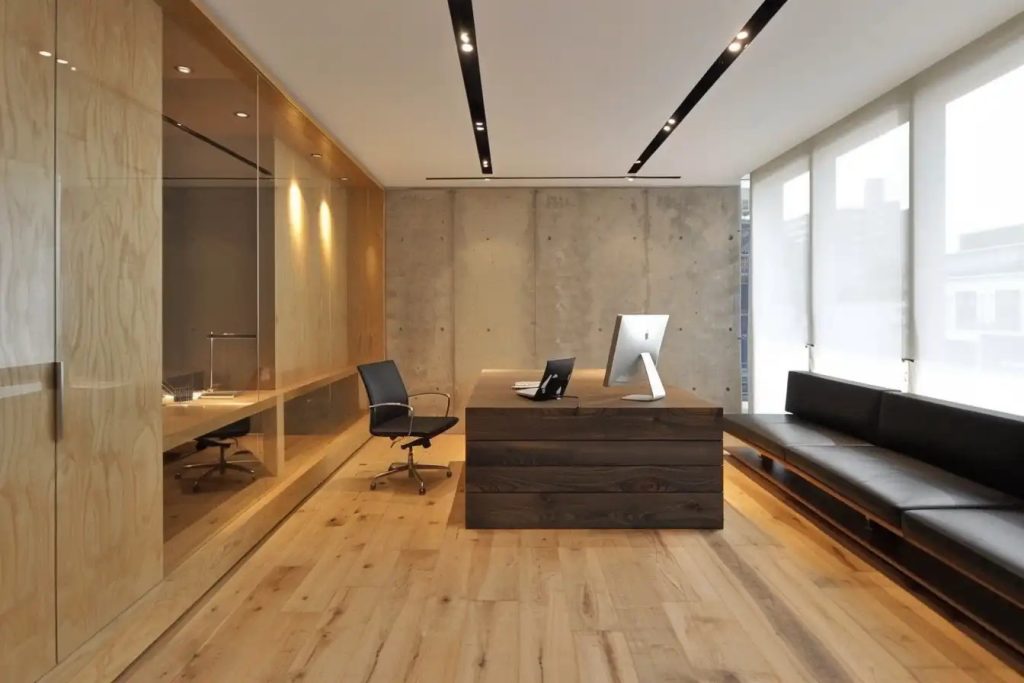
Conclusion
In conclusion, understanding the connection between our physical environment and productivity opens new avenues for enhancing efficiency and mental clarity. By embracing a minimalist approach, we can reduce distractions, improve focus, and nurture creativity, ultimately leading to new strategies for personal and professional development. As we navigate the complexities of modern life, curating our spaces intentionally can significantly impact our overall well-being and performance.
DISCOVER MORE: Click here to learn how minimalism can transform your day
The Connection Between Minimalism and Time Management
Time efficiency—an essential component of productivity—has become increasingly vital in our daily lives. We are consistently pressed to do more with less time, leading to the pursuit of strategies that maximize our capabilities. Central to this quest is the physical space we inhabit, which can either empower or hinder our ability to work efficiently. Embracing a minimalist environment, characterized by simplicity and organization, can significantly enhance our time management skills, leading to clearer thinking and better decision-making.
Streamlining Tasks Through Organized Spaces
One clear benefit of a minimalist environment is the way it streamlines tasks and processes. A disorganized workspace can lead to wasted time searching for items or transitioning between tasks, ultimately resulting in reduced output. Consider these key aspects of how minimizing your workspace can foster efficiency:
- Accessibility: With fewer distractions in view, essential tools and documents become more accessible, allowing for quicker transitions between tasks.
- Reduced Time Loss: A clutter-free environment diminishes the likelihood of losing items, thus minimizing delays that can disrupt workflows.
- Prioritization: A well-organized space helps in clear prioritization of tasks, making it easier to focus on what truly matters.
These aspects underscore the idea that an uncluttered workspace transforms our interaction with time, allowing us to focus more on productivity rather than the chaos of a disordered environment. Research conducted by the Princeton Neuroscience Institute reinforces this concept, indicating that physical clutter can significantly restrict the brain’s ability to focus and process information.
Empowering Mental Clarity Through Simplification
In addition to streamlining tasks, a minimalist approach holds the potential to enhance mental clarity. By eliminating distractions, we free up cognitive resources that would otherwise be consumed by managing clutter. This phenomenon is particularly evident in environments that emphasize open layouts and minimal decor—found in modern workplaces from San Francisco to New York.
For instance, many forward-thinking companies have adopted designs that incorporate natural light, greenery, and an absence of unnecessary embellishments, creating tranquil spaces that promote clear thinking. As a result, employees often find themselves making decisions more swiftly and creatively, thanks to decreased cognitive load. This notion aligns with the philosophy of renowned architect Frank Lloyd Wright, who asserted that “form follows function”—a principle that emphasizes clarity and purpose in design.
The Psychological Shift of Minimalist Living
Moreover, minimalism extends beyond the physical environment to shape psychological well-being. Adopting a minimalist lifestyle encourages individuals to consciously evaluate their commitments and streamline not only their surroundings but also their mental bandwidth. This evaluative process contributes to reduced stress levels, increased concentration, and a clearer sense of direction—critical components for maximizing time efficiency.
As people begin to prioritize essential activities and let go of superfluous obligations, they may discover newfound time for what genuinely enriches their lives and contributes to their goals. This shift offers a dual benefit: not only fosters a more organized workspace but also cultivates an inner landscape ripe for productivity and creativity.
The Impact of Minimalism on Time Management
The design and organization of a physical space can significantly affect one’s ability to manage time effectively. A minimalist environment promotes a streamlined approach to both tasks and thoughts, allowing individuals to focus on what truly matters. Research suggests that a clutter-free space can reduce distractions, thereby enhancing productivity levels. By eliminating unnecessary items, individuals can create a more efficient workflow, which translates to saving time and boosting overall output.Another critical aspect to consider is the relationship between mental clarity and a minimalist setup. Clutter can lead to cognitive overload, making it difficult to concentrate on the job at hand. In contrast, a well-organized environment fosters a sense of calm and control. This serenity enables clearer thinking and quicker decision-making, essential traits in today’s fast-paced world.Furthermore, adopting minimalism can enhance the quality of decisions made throughout the day. When surrounded by fewer distractions, the brain is better equipped to focus on essential tasks. This focus can drastically improve the efficiency of time spent on projects or responsibilities, resulting in greater task completion rates.
| Advantages | Details |
|---|---|
| Enhanced Focus | Reduction of distractions helps maintain attention on important tasks. |
| Increased Productivity | A clear environment fosters an efficient workflow, maximizing output. |
The benefits of a minimalist environment extend even further into areas like creativity and stress management. With less visual clutter, the mind can generate new ideas uninhibited by overwhelming surroundings. This is particularly beneficial in creative tasks where innovation is paramount. Moreover, a carefully curated workspace can mitigate feelings of anxiety or overwhelm, translating to better health and productivity in the long run.In summary, the role of physical space in enhancing time efficiency cannot be overstated. Adopting a minimalist approach is not merely about aesthetics—it’s a practical strategy for elevating both mental clarity and overall effectiveness in daily tasks. Curious about the transformative power of minimalism in personal productivity? Explore how modifying your environment can pave the way for a more focused, efficient you.
DISCOVER MORE: Click here to learn about mindful spending
Harnessing the Benefits of Decluttering for Enhanced Focus
Another significant aspect of a minimalist environment is the process of decluttering, which actively contributes to increased time efficiency. Many individuals underestimate the weight that physical possessions can exert on their mental faculties. Over time, accumulating items leads to a subconscious burden that diverts attention and limits focus. Hence, engaging in decluttering not only paves the way for a cleaner space but also rejuvenates the mind, creating room for clearer thoughts and enhanced productivity.
Implementing the ‘One In, One Out’ Philosophy
Adopting a systematic approach to maintaining minimalism can be highly effective in ensuring that clutter does not accumulate. A concept adopted by many minimalists is the ‘One In, One Out’ philosophy, which advocates for the removal of an existing item when a new one is introduced into the space. This method directly impacts efficiency by preventing excess items from crowding our environments.
Studies suggest that this principle can be especially beneficial in workplaces dominated by technology. With gadgets and paraphernalia constantly vying for attention, it becomes essential to remain vigilant about what remains on our desks. By adhering to the ‘One In, One Out’ rule, employees can maintain a streamlined setting where only the most relevant tools are present, facilitating improved focus on the tasks at hand.
Fostering Creativity Through Intentional Space Design
Beyond mere organization, the intentional design of physical spaces plays a pivotal role in maximizing mental clarity. For instance, workplaces that encourage flexibility in movement and collaboration foster an environment conducive to innovation. According to research conducted by the Harvard Business Review, environments that integrate collaborative spaces—like breakout areas and brainstorming nooks—encourage creative thinking and allow for spontaneous interactions that can lead to unexpected breakthroughs.
In contrast, traditional cubicle setups with rigid structures can inhibit not only creativity but also the natural flow of ideas. Companies across the U.S., such as Google and Apple, have pioneered this approach, designing their interiors to inspire collaboration while simultaneously embracing minimalist principles that prioritize function over form. Employees are provided with open spaces filled with engaging visuals and adjustable workstations, which enhance motivation and spark innovative discussions.
Establishing Routines and Rituals in Simplified Spaces
Focus can also be fortified by establishing routines and rituals within a minimalist setup. When one carefully curates their space—removing distractions and organizing essential items—they also create an environment that fosters consistency. Engaging in daily habits, such as a morning ritual in a dedicated, minimalist corner of the room, can signal the brain that it’s time to settle into focused work.
Moreover, research shows that environments which maintain a clean aesthetic reduce stress levels, allowing individuals to establish habits that are intellectually productive. By incorporating rituals into a purposely designed space, whether at home or in the office, people can significantly enhance their ability to concentrate and manage time effectively.
As the essence of minimalism intertwines seamlessly with the psychology of time management, its embrace continues to reveal pathways to a more efficient and creative existence. Understanding and implementing these principles may lead individuals towards not only increased productivity but also a greater sense of fulfillment in both personal and professional spheres.
DISCOVER MORE: Click here for tips on maximizing small spaces
Conclusion: Embracing Minimalism for Enhanced Time Efficiency
In today’s fast-paced world, the significance of physical space on time efficiency cannot be overstated. As we have explored throughout this discussion, adopting a minimalist environment not only serves to declutter our surroundings but also refreshes our mental clarity, leading to more productive and focused work. The elements of decluttering, the practical application of the ‘One In, One Out’ philosophy, and the strategic design of workspaces all converge to create an atmosphere that nurtures creativity and innovation.
Moreover, by crafting personalized routines and rituals within an intentionally simplified space, individuals are equipped with the tools necessary to combat distractions and enhance their cognitive capabilities. The potential benefits extend beyond mere productivity; they also include a significant reduction in stress levels, leading to enhanced overall well-being.
As we reflect on the transformative power of minimalism in shaping our environments, it’s clear that implementing these strategies can produce profound effects on our daily lives. Organizations that embrace such approaches—like Google and Apple—act as testaments to how intentional space design can foster not just efficiency, but also sustained innovation.
Ultimately, as we navigate through the complexities of modern existence, prioritizing a minimalist approach to our physical environments can lead to newfound clarity, efficiency, and fulfillment. Those willing to embark on this journey will likely discover that less truly is more in the quest for mental clarity and the effective management of time.
Related posts:
Creating Minimalist Routines: How to Simplify Your Days to Increase Efficiency
How Minimalism in Personal Life Can Reduce Stress and Improve Time Management
Personal Organization Strategies to Maximize Productivity in a Minimalist Lifestyle
The Influence of Minimalism on the Creation of Sustainable Time Management Habits
How Minimalism Can Increase Your Time Efficiency
How Simplicity in Daily Life Can Enhance the Quality of Free Time

Linda Carter is a writer and organization expert specializing in minimalism and personal organization. With extensive experience helping individuals create clutter-free, functional spaces and adopt mindful habits, Linda shares her knowledge on our platform. Her goal is to empower readers with practical advice and strategies to simplify their lives, stay organized, and achieve a sense of calm and balance in their daily routines.