The Connection between Simple Living and Creativity: How Less Can Inspire More

The Transformative Power of a Simple Lifestyle
In today’s fast-paced society, where distractions seem to be omnipresent, the notion of embracing a simple lifestyle emerges not only as a personal choice but as a profound leap towards creative discovery. The incessant noise and clutter can often stifle the mind’s potential, making the pursuit of minimalism an intriguing path for those in search of innovation and originality in their lives.
So, what is the intricate connection between simple living and creativity? Let us explore several compelling aspects that elucidate this relationship:
- Clarity of Mind: A decluttered environment allows for enhanced focus and mental agility. When our surroundings are simple and orderly, it reduces cognitive overload and creates a serene backdrop for deeper thinking. Studies have shown that individuals who maintain a tidy workspace often experience heightened concentration and improved problem-solving abilities, allowing creative ideas to flow unhindered.
- Increased Space for Ideas: Less reliance on material possessions frees up both physical and mental space. With fewer distractions vying for attention, there is ample room for imagination to burgeon. For example, renowned designer Steve Jobs was known for his minimalist approach to design and lifestyle, believing that simplicity enabled innovation. This principle resonated throughout his work at Apple, where user-friendly and aesthetically pleasing products emerged from an ethos of simplicity.
- Intentionality: Engaging in a simple lifestyle fosters a more mindful approach to daily choices and challenges. The act of deliberate selection leads to enriched experiences, as individuals become increasingly aware of their actions and their impacts. This conscious focus can lead to fresh perspectives necessary for creative breakthroughs.
Many celebrated artists, authors, and innovators have advocated for the tangible benefits of simplifying their lives, often citing outcomes that range from increased productivity to a surge of inspiration. A prominent example is Henry David Thoreau, who famously retreated to a cabin in the woods for two years to escape the pressures of societal expectations, allowing him to reflect deeply and pen his masterpiece, Walden. In contrast, modern minimalists like Joshua Fields Millburn and Ryan Nicodemus share their personal narratives of how reducing material burdens has unleashed their creative potential and improved their overall quality of life.
In this exploration of how less can inspire more, we invite you to uncover insights and anecdotes that highlight this intriguing connection. By examining the practices and philosophies of those who have walked this path, you may discover valuable tools to enhance your own creative journey while embracing the profound simplicity that life can offer.
DISCOVER MORE: Click here to learn effective strategies
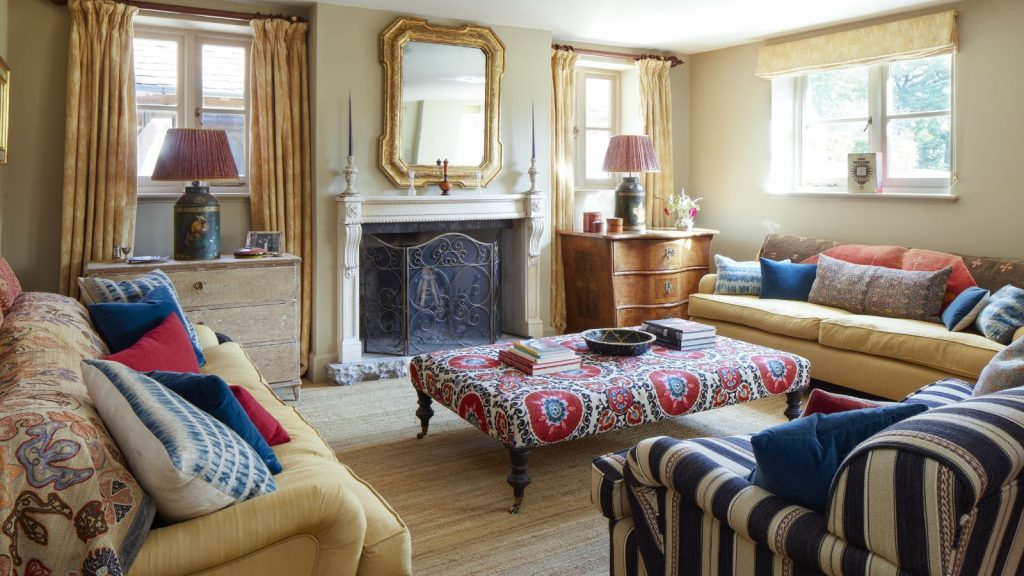
Sparking Creativity Through Minimalism
At its core, simple living is more than just a lifestyle choice; it is a powerful catalyst for creativity. The principle of “less is more” does not only apply to the aesthetic of design but extends into the ways we conceive, create, and innovate. In an era characterized by digital distractions and consumer culture, understanding how to strip away the unnecessary can illuminate pathways to originality.
One fundamental component linking simplicity to creativity is the nature of freedom from excess. As individuals simplify their lives, they often realize that shedding material possessions allows them to gain something invaluable: the time and mental energy to redirect toward exploration and innovation. Artists from various fields have reported felt benefits from simplifying not only their environments but their thought processes as well. The decision to declutter often opens doors to experimentation and spontaneity—two critical ingredients in the creative recipe.
- Enhanced Focus: When distractions are minimized, it becomes easier to concentrate on tasks at hand. Research indicates that environments filled with extraneous stimuli can hinder the brain’s ability to engage in deep thought. By adopting simplicity in their surroundings, creators are better positioned to push past superficiality and dive into more profound, meaningful work.
- Limitations Foster Innovation: Constraints often fuel creativity. Artists who limit their tools or materials are frequently compelled to think outside the box, discovering unexpected solutions or new methods of expression. Musicians like Jack White have embraced this idea, producing albums using only a handful of instruments to tap into raw creativity, proving that less can indeed lead to more.
- Encouragement of Reflection: Simple living creates space for contemplation. It encourages individuals to step back and assess their own values, priorities, and aspirations—important aspects that can be easily lost in a clamorous world. As individuals reflect on what is essential, new ideas can emerge, often leading to creative breakthroughs.
The benefits of such a lifestyle reflect the insights gained through the experiences of many notable figures. For instance, the author Ernest Hemingway, known for his succinct writing style, often championed the power of simplicity, both in his prose and his daily habits. By stripping away unnecessary embellishments, he was able to craft narratives that spoke volumes in their clarity.
Similarly, the modern-day minimalist movement has gathered momentum, influencing countless individuals across the United States. Advocates like minimalist blogger Bea Johnson declare that by decreasing consumption and embracing simplicity, they’ve cultivated not just creativity but a slower, more deliberate pace of life. This approach allows them to dedicate time to pursuits that truly ignite their passions.
In this unfolding narrative of the connection between simple living and creativity, one recognizes that the journey toward less is often rich with potential for self-discovery and creative expression. By examining the stories of those who have embraced this philosophy, we can gather valuable lessons that serve not only to enrich our creative journeys but also to enhance our overall well-being.
The Benefits of Embracing Simplicity
When delving into the essence of simple living, one discovers that the act of decluttering both physical spaces and mental processes can lead to impressive bursts of creativity. By stripping away excess, individuals often find clarity and focus, which are fundamental drivers for innovative thinking.
Minimalism and Mindfulness
A key aspect of simple living is the practice of minimalism. This approach doesn’t merely prioritize fewer possessions; it embraces a lifestyle aligned with mindfulness. When one consciously chooses to reduce distractions, creativity has space to flourish. In essence, minimalism encourages a clearer mental space, allowing fresh ideas to emerge. Artists, writers, and creators alike often attest that a simplified environment can ignite their imagination.
Reduced Anxiety and Enhanced Focus
The modern world bombards individuals with stimuli that can easily lead to anxiety, stifling creativity. Simple living advocates argue that by reducing not just clutter but also the constant flow of information, people can experience heightened focus. This focus is critical, as it enables thinkers to immerse themselves deeply in their creative endeavors without the interference of unnecessary distractions. The serene backdrop of a simple life can, therefore, lead to greater insight and inventive breakthroughs.
Inspiring Creativity through Limitations
It may seem counterintuitive, but limitations often inspire creativity. By having less at their disposal, creators are pushed to explore unconventional uses for available resources. This resourcefulness is a hallmark of creative genius; many successful artists emerged under constraints, utilizing their surroundings to spin stories or create works of art that reflect their reality. The restrictions of simple living compel individuals to think outside conventional patterns, instilling a rich sense of innovation.
Connecting with Nature
Simple living frequently goes hand-in-hand with a deeper appreciation of nature. Nature has long been revered as a muse for countless artists and thinkers. Engaging with the natural environment fosters not only tranquility but also a profound sense of inspiration. Nature’s rhythms, colors, and patterns can act as catalysts for new ideas and creative expression, linking simplicity to the fertile ground of innovation.
| Category | Key Features |
|---|---|
| Mindfulness | Engaging in a presence that allows for creative thought to flourish. |
| Focus Enhancement | Reduced distractions enabling deeper concentration on creative tasks. |
| Nature Connection | Natural environments serve as an muse, fostering inspiration and creativity. |
Through exploring the connection between simple living and creativity, it becomes evident that embracing a minimalist approach can unlock profound insights and spark imaginative thought. With reduced clutter, both physically and mentally, one can harness their full creative potential, leading to a richer, more fulfilling life.
DISCOVER MORE: Click here to optimize your space
Creating Space for Imagination and Inspiration
The relationship between simple living and creativity extends beyond just minimal possessions; it encompasses a broader philosophy centered on intentionality and mindfulness. When individuals consciously choose to live with less, they often find themselves compelled to seek deeper connections within their environments and relationships, fostering a fertile ground for creative thoughts to flourish. This intentional approach nurtures meaningful experiences and allows space for imagination to thrive.
Central to this ideology is the concept of mindful consumption. Embracing simplicity means being selective about what enters our lives—be it physical items, commitments, or information. This discernment not only enhances personal well-being but also serves as a springboard for innovative thinking. For example, when we curate our environments mindfully, we may surround ourselves with objects that inspire us or books that challenge our perspectives, ultimately acting as a catalyst for creativity.
- Quality Over Quantity: By prioritizing quality, individuals often invest in fewer, yet more meaningful experiences. This could manifest through immersive experiences such as attending workshops, art classes, or engaging with local artists. Such interactions not only enhance knowledge but can also spark new ideas, as collaboration often leads to unexpected insights and breakthroughs.
- Nature as Muse: Simple living frequently encourages a stronger connection with nature. Studies have shown that spending time outdoors can significantly boost creativity. Natural settings have a unique ability to clear the mind and help individuals tap into their innate creativity. This could be seen in the works of artists like Georgia O’Keeffe, who drew profound inspiration from the landscapes of the American Southwest, creating a distinctive style that is still revered today.
- Digital Detox for Creativity: The current digital landscape is one brimming with distractions; social media, emails, and notifications often pull us in many directions, curtailing our creative flow. Practicing a simple lifestyle encourages periodic digital detoxes, allowing for a reset. During this time, individuals can reconnect with their thoughts, hobbies, and passions, free from the noise of the digital world, thus cultivating an environment where creativity can reignite.
Many famous creative figures have adopted forms of simple living to enhance their work. For instance, the architect Frank Lloyd Wright famously stated, “Less is more,” which has echoed through design philosophies, reminding us that by removing redundant elements, true beauty and functionality can emerge. This sentiment resonates with countless artists, writers, and innovators who thrive in uncluttered spaces.
As the movement toward simple living continues to grow, particularly in a country like the United States, a collective shift in values is evident. More people are beginning to recognize the richness found in minimalism—not just in terms of physical possessions, but in emotional and mental well-being. This aligns with findings from surveys indicating that individuals embracing simpler lifestyles often report heightened creativity and satisfaction.
The correlation between simple living and creativity beckons us to explore the powerful transformations that can arise from choosing intentionality in our daily lives. As we further investigate this relationship, it becomes clear that living with less can lead to more—more time, more clarity, and ultimately, more creative potential waiting to be unlocked. By continually embracing these principles, individuals can cultivate meaningful lives deeply intertwined with inspiration and authenticity.
DISCOVER MORE: Click here to enhance your productivity
Embracing Simplicity for Creative Flourishing
In conclusion, the relationship between simple living and creativity serves as a compelling reminder of how reducing life’s complexities can pave the way for heightened imaginative potential. By choosing to live with less, we create opportunities for intentionality and mindfulness, allowing rich experiences and connections to take center stage in our lives. The art of mindful consumption equips us with the tools to cultivate inspiring environments, free from excess distractions, which ultimately nourishes our creative spirits.
Moreover, the embrace of quality experiences over quantity opens doors to innovation and collaboration that can ignite fresh ideas and perspectives. The influence of nature as a source of inspiration cannot be underestimated; various studies affirm that time spent outdoors rejuvenates the mind and stimulates our innate creativity. With a strategic digital detox, we can reclaim our focus and rediscover the joys of our passions, free from the clamor of modern life.
As the trend of simple living gains momentum across the United States, it encourages a paradigm shift that intertwines creativity with emotional and mental well-being. Individuals are awakening to the powerful truth that by fostering simplicity, they not only elevate their artistic endeavors but enhance their overall life satisfaction. Ultimately, the exploration of this profound connection between simplicity and creativity challenges us to consider how less can truly inspire more, leading to a more authentic and fulfilling existence.
Related posts:
Transforming Daily Routine: Simplicity Living Practices to Increase Productivity
Simplicity Living and the Transition to Remote Work: Creating an Efficient and Organized Work Enviro...
Simplicity Living and the Journey of Self-Knowledge: How Minimalism Aids in Personal Discovery
Simplicity Living and Sustainability: How to Reduce Consumption and Live More Consciously
Simplicity Living and Relationships: Strengthening Personal Connections Through Emotional Disorder
The Art of Living with Less: How Simplicity Living Transforms Everyday Life

Linda Carter is a writer and organization expert specializing in minimalism and personal organization. With extensive experience helping individuals create clutter-free, functional spaces and adopt mindful habits, Linda shares her knowledge on our platform. Her goal is to empower readers with practical advice and strategies to simplify their lives, stay organized, and achieve a sense of calm and balance in their daily routines.