Simplicity Living in Families: Creating a Harmonious and Organized Environment for Children
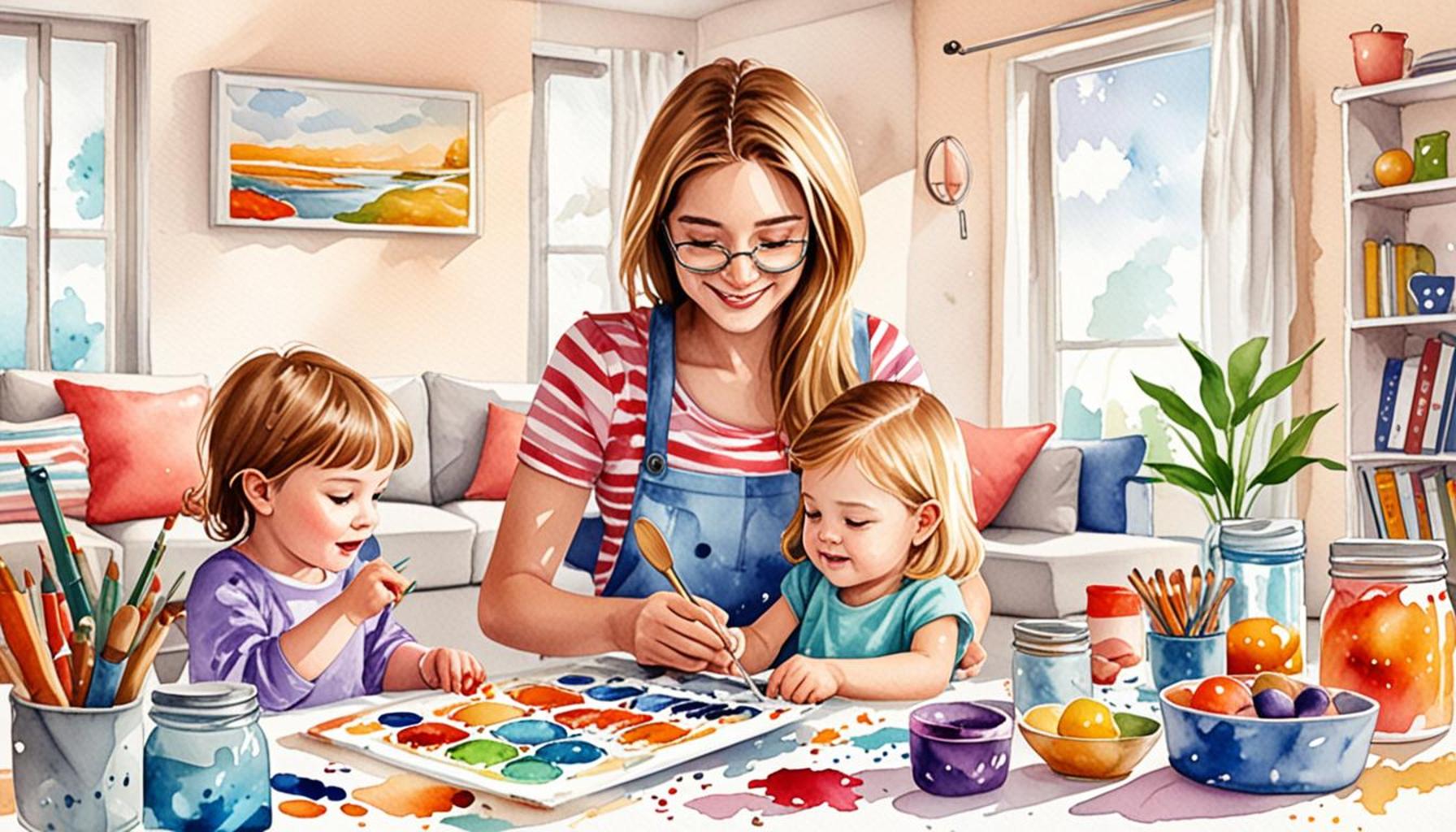
Creating a Harmonious Space for Families
In today’s fast-paced world, families often find themselves overwhelmed by clutter and chaos. Embracing simple living offers an effective solution to foster a nurturing environment for children. By prioritizing minimalism, families can experience numerous benefits that enhance both daily life and childhood development. The shift towards a simplified lifestyle not only reduces stress but also creates a serene atmosphere conducive to learning and emotional growth.
What does a simplified life look like in a family setting? Here are a few key aspects:
- Decluttering: Reducing unnecessary items creates more space and freedom for play and learning. For example, establishing a “one in, one out” policy regarding toys can help maintain an optimal amount of items without overwhelming children. Donations to local charities or toy swaps with friends can also promote a culture of sharing and gratitude.
- Organization: Implementing smart storage solutions helps children keep their belongings tidy. Clear bins labeled with pictures and words can teach younger children about sorting and responsibility, allowing them to learn organization skills in a practical setting. Additionally, using modular furniture that doubles as storage can maximize space, particularly for families living in apartments or smaller homes.
- Intentional Time: Focusing on quality family time rather than possessions cultivates stronger bonds. Setting aside one evening each week for family game night or outdoor activities can consciously shift attention away from material goods and encourage emotional connections. This practice teaches children about the value of experiences over possessions.
Studies suggest that children thrive in environments that are not only physically organized but also emotionally supportive. Creating a harmonious environment allows children to develop better focus, creativity, and emotional resilience. For instance, children who grow up in spaces that prioritize simplicity often exhibit higher levels of concentration and decreased anxiety, enabling them to approach challenges with confidence.
As parents initiate this journey towards simplicity, they not only improve their home life but also instill essential life skills in their children. By modeling behaviors such as mindful consumption and emotional intelligence, parents can help their children navigate the complexities of modern life with a clearer perspective.
As we explore the concept of simple living, we will uncover practical strategies, inspiring examples, and actionable tips that can help families flourish in both organized settings and fulfilling relationships. Whether it’s in suburban homes or city apartments, the journey toward simplicity is accessible for every family eager to embrace a more harmonious lifestyle.
DIVE DEEPER: Click here to learn how decluttering can boost your mental health
Embracing the Core Principles of Simple Living
In the journey towards simplicity, families can focus on a few core principles that ultimately lead to a harmonious and organized environment for children. This approach champions not only the physical arrangement of the home but also the cultivation of emotional intelligence and relational richness among family members. The process can be both liberating and transformative, as it encourages families to assess their priorities and align them with their actions.
One of the first steps in this journey is to recognize the significance of mindful consumption. In a culture that often equates happiness with the accumulation of material goods, it is essential to shift the mindset towards valuing quality over quantity. By consciously choosing to purchase only what is necessary and meaningful, families can prevent clutter from entering their homes. This ethos can be reinforced by involving children in the decision-making process about what items to acquire. For instance, before making a new toy purchase, parents can discuss the choice with their children, teaching them to weigh the impact of the decision on their living space and emotional well-being.
Practical Strategies for Minimalism
To manifest a simpler, more organized home, families can adopt a series of practical strategies:
- Routine Decluttering Sessions: Scheduling regular decluttering sessions—perhaps monthly or seasonally—ensures that the home remains free from extraneous items. Involving children in these sessions can empower them and make the process enjoyable. For example, each family member can gather items they no longer use and discuss how these items can be donated or recycled.
- Creating Defined Spaces: By designating specific areas in the home for activities, such as a reading corner, a craft station, or a homework nook, families can create a sense of order and purpose. Defined spaces not only minimize distractions but also give children a clear understanding of where to find and return items.
- Engaging in Experiential Learning: Instead of focusing solely on material possessions, families can place a strong emphasis on experiences—opting for membership to museums, art workshops, or nature parks. Such choices provide children with opportunities for hands-on learning and foster curiosity, teaching them that memories and experiences often outweigh tangible goods.
- Mindful Family Practices: Establishing rituals such as “tech-free” dinners, weekend adventures, or monthly family meetings can improve communication and strengthen relationships among family members. These practices encourage families to cherish their time together while minimizing distractions from technology and material influences.
The emphasis on simplicity extends beyond the physical home environment—it also encompasses emotional well-being. Creating a setting that favors openness, communication, and emotional support can significantly impact children’s brain development and emotional intelligence. A harmonious environment allows children to express themselves freely, learn empathy, and develop social skills in a safe space.
As families delve deeper into the principles of simple living, they often find that the journey enriches their lives in unexpected ways. This transition encourages them to build stronger bonds, embrace their individuality, and cultivate an appreciation for the beauty of simplicity. Ultimately, the results are reflected in the well-being of children, reinforcing the belief that less truly can be more.
Creating a harmonious and organized environment for children within families is not merely about decluttering spaces; it is fundamentally about fostering an atmosphere that promotes peace, creativity, and development. To achieve this, specific strategies can be employed to streamline daily routines and spaces.First and foremost, implementing a system of organization that is child-friendly is essential. This could involve designating storage areas that are accessible to children, allowing them to take part in their own management of toys and books. By involving them in the organization process, children develop a sense of responsibility and an understanding of the importance of maintaining an orderly space. Moreover, using clear labels and colorful bins can make tidying up a fun activity rather than a chore.Equally vital is the concept of simplicity in daily routines. Establishing consistent schedules, including designated times for homework, chores, and family activities, helps children comprehend what is expected of them. A predictable environment reduces anxiety and fosters a sense of security, assisting children in their emotional development. Furthermore, involving children in decision-making processes about their living spaces, such as room layouts or decor choices, creates a sense of ownership and pride in their environment. This empowerment can lead to improved self-esteem and encourage them to be more mindful about keeping their surroundings organized.Let’s explore the advantages that the “Simplicity Living in Families” theme brings in a clear and informative format:
| Category 1 | Category 2 |
|---|---|
| Organization | Promotes responsibility and reduces chaos in living spaces. |
| Routine | Creates security and aids emotional development by reducing anxiety. |
| Empowerment | Involvement in decision-making fosters ownership and pride. |
Engaging in these practices allows families to establish environments that not only foster harmony but also promote effective learning and engagement for children. An organized home is indeed a strong foundation for a thriving family life. By understanding and implementing these strategies, families can cultivate peaceful, organized spaces that nurture the development of their children.
DISCOVER MORE: Click here to simplify your space
Integrating Simplicity into Daily Routines
To fully embrace the benefits of simple living, families must weave its principles into their daily routines. This can create a ripple effect that not only simplifies their immediate environment but also enhances their overall quality of life. Families can implement simple yet powerful strategies that encourage a mindful lifestyle while nurturing children’s sense of responsibility and independence.
Establishing a Family Calendar
A family calendar is an indispensable tool that helps streamline schedules and responsibilities. By displaying all family members’ activities—such as school events, extracurriculars, and family time—children can learn about planning and the importance of time management. This practice reinforces the concept of prioritizing commitments while allowing room for spontaneity—balancing organization with relaxation. Additionally, parents can encourage children to contribute to the calendar, allowing them to take ownership of their schedules and develop organisational skills early on.
Implementing Simple Meal Plans
Nutrition is a cornerstone of well-being, and simplifying family meals can alleviate stress during busy weekdays. By creating meal plans that prioritize healthy, seasonal, and easy-to-prepare dishes, families can establish a routine that everyone looks forward to. Engaging children in selecting recipes and even helping in meal preparation fosters family bonding and cultivates a sense of accomplishment. Moreover, implementing concepts like “Meatless Monday” or “Taco Tuesday” can add excitement to the weekly menu while educating children about healthy eating habits and sustainability.
Fostering Artistic Expression and Creativity
In a world often saturated with digital distractions, encouraging children to engage in creative pursuits can significantly enhance their emotional and cognitive development. Simplicity can pave the way for imaginative play by providing materials that are versatile and open-ended, such as clay, drawing utensils, or building blocks. Designating an art space in the home, featuring minimal but well-curated supplies, can help children explore their creativity without overwhelming them. This curated simplicity allows children to unleash their imagination without the burden of excessive choices, leading to a more meaningful and enriching artistic experience.
Encouraging Minimal Screen Time
As technology continues to infiltrate family life, it is vital to manage screen time effectively. Establishing rules around technology use not only fosters healthier habits but also encourages children to find joy in offline activities. Families can integrate “screen-free” zones—such as during meals or family game nights—to promote face-to-face interaction and strengthen familial bonds. In addition, parents can create a technology schedule that limits usage during weekdays, encouraging children to engage in outdoor play, sports, or reading instead. This balance can lead to enhanced physical health, improved social interactions, and a more focused mindset.
Ultimately, by embracing simplicity within their daily lives, families can create routines that cultivate peace, responsibility, and connection. As parents model these behaviors, children learn the importance of valuing experiences, relationships, and the world around them—ultimately fostering a harmonious and organized environment that nurtures their growth and development.
DISCOVER MORE: Click here to uncover the benefits of minimalism
Conclusion: Embracing Simplicity for Family Harmony
As families navigate the complexities of modern life, simplicity living emerges as a valuable framework for fostering a harmonious environment. By intentionally streamlining their daily routines and introducing organizational practices, families not only diminish clutter but also enhance their emotional well-being. The integration of tools such as a comprehensive family calendar and simple meal planning encourages children to participate actively in their family dynamics, instilling a sense of responsibility from an early age.
Creative expression and mindful screen time management further nurture a balanced lifestyle—allowing children to cultivate vital interpersonal skills and appreciate the beauty of the world around them. By creating designated spaces for artistic pursuits, parents can encourage their children’s creativity, while limiting digital distractions can foster stronger familial bonds through shared experiences and interactions.
In essence, embracing simplicity within family life lays the groundwork for a supportive atmosphere where children thrive. As caregivers lead by example, they impart essential life lessons about prioritizing meaningful experiences over materialism, helping young ones appreciate connection over consumption. This mindful approach to living not only organizes family life but also enriches relationships, paving the way for future generations to carry forward the values of simplicity and harmony.
For families looking to embark on their simplicity journey, the journey itself can be just as rewarding as the destination—allowing them to explore new ways to connect, grow, and enjoy the many little moments that make life truly fulfilling.
Related posts:
Simplicity Living and the Influence of Nature: Integrating Natural Elements into Daily Life
Transforming Daily Routine: Simplicity Living Practices to Increase Productivity
Mastering Minimalism How Simplicity Living Enhances Quality of Life
Simplicity Living and Sustainability: How to Reduce Consumption and Live More Consciously
Simplicity Living and the Journey of Self-Knowledge: How Minimalism Aids in Personal Discovery
Simplicity Living: How to Reduce Mental Clutter and Create Space for the Essential

Linda Carter is a writer and organization expert specializing in minimalism and personal organization. With extensive experience helping individuals create clutter-free, functional spaces and adopt mindful habits, Linda shares her knowledge on our platform. Her goal is to empower readers with practical advice and strategies to simplify their lives, stay organized, and achieve a sense of calm and balance in their daily routines.