Space Optimization for Mental Clarity: Designing Minimalist Workspaces that Inspire Focus

The Importance of Space in Enhancing Work Performance
In today’s rapidly evolving work environment, the emphasis on achieving mental clarity has reached new heights. With the rise of remote work and hybrid working models, the configuration of our workspaces is no longer just a matter of preference but a vital factor influencing our focus and productivity. It has been observed that a well-optimized workspace not only uplifts our mental states but also enhances our overall effectiveness, allowing us to perform at our best.
When assessing your workspace, there are several critical elements to consider that can directly affect your productivity:
- Declutter Your Desktop: A chaotic work environment often translates into a chaotic mind. Start by removing non-essential items from your desk. Keep only what you need within reach—a few pens, a notepad, your computer, and perhaps a personal item that sparks joy. This minimal approach helps reduce mental load and fosters better concentration.
- Natural Light: Science has shown that exposure to natural light can significantly enhance mood, energy, and focus. For instance, positioning your workspace near a window not only helps improve your ability to concentrate but also minimizes feelings of fatigue. If natural light is limited, consider using daylight-simulating bulbs that can mimic the effects of the sun.
- Minimalist Furniture: Opting for simple, functional furniture is a strong step towards creating a peaceful work environment. For example, a basic desk with clean lines encourages order, while an ergonomic chair promotes comfort, reducing strain and distractions related to discomfort.
Research suggests that employees in minimalist environments tend to report higher job satisfaction and lower stress levels. For instance, a study conducted among various firms found that effective workspace design could lead to productivity gains of as much as 20%. This statistic emphasizes the vital role that our environments play in shaping our performance.
Next time you find yourself struggling with focus or feeling overwhelmed, consider re-evaluating your work environment. Embracing the principles of minimalism and space optimization can facilitate profound transformations in your workflow. Curating your space thoughtfully can pave the way not only for improved mental clarity but also for heightened creativity and efficiency.
Are you ready to turn your workspace into a sanctuary of concentration? By instilling these small yet powerful changes, you could unlock new levels of productivity, enabling you to tackle tasks with renewed vigor and purpose.
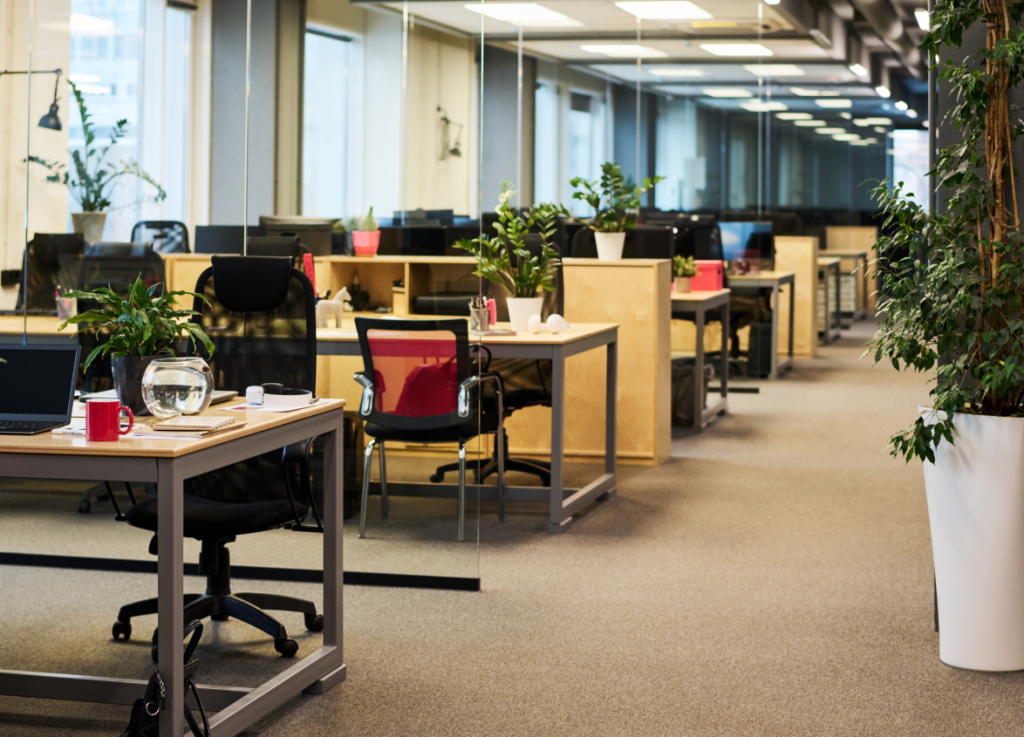
DISCOVER: Click here to learn how reducing clutter can enhance your mental health
Key Elements for Creating a Minimalist Workspace
As we delve into the concept of space optimization for improved mental clarity, it is essential to explore the fundamental components that contribute to a minimalist workspace. By intentionally designing our environments, we can foster an atmosphere conducive to focus, creativity, and productivity. Here are some pivotal elements to consider when crafting your ideal workspace:
- Organization Systems: Implementing efficient organization systems ensures that everything has its place. Utilize storage solutions such as drawer organizers, file holders, and cable management systems to keep your workspace tidy. An organized space eliminates distractions, allowing your mind to remain centered on the tasks at hand.
- Color Scheme: The colors in your workspace can significantly influence your mood and productivity. Calm, neutral colors like soft blues, greens, or grays tend to promote relaxation and focus, while brighter shades may stimulate creativity. When choosing a color palette, consider how it aligns with the type of work you are undertaking and the atmosphere you want to create.
- Personal Touches: While embracing minimalism, incorporating a few personal items can make your workspace feel inviting without becoming cluttered. A family photo, a piece of art, or a small plant can add warmth and help cultivate a sense of belonging. These pieces should enhance, rather than detract from, your ability to concentrate.
Furthermore, the psychological impact of a minimalist workspace cannot be overstated. Studies indicate that less visual clutter results in fewer distractions and a greater sense of agency. For example, an experiment conducted at the University College London revealed that participants working in uncluttered environments completed tasks 25% faster than those in cluttered settings. This underscores the profound effects of intentional design.
Additionally, flexibility in workspace design cannot be overlooked. Consider incorporating adjustable furniture that allows for both sitting and standing positions. Studies show that a flexible workspace model caters to different working styles and can lead to a more dynamic work experience. This adaptability not only enhances comfort but also increases engagement, vital elements for maintaining focus over prolonged periods.
In conclusion, integrating these crucial elements into your workspace can pave the way for heightened mental clarity and productivity. As you rethink your environment, remember that each enhancement, no matter how small, contributes to a larger goal of creating a space that promotes inspiration and concentrated effort. The journey towards a minimalist workspace is a personal one, beckoning you to explore what truly aids your focus and creativity.
Exploring Practical Design Elements
When focusing on space optimization for mental clarity, incorporating practical design elements plays a critical role. A clutter-free environment allows the mind to relax, reducing distractions. Minimalist workspaces are characterized by streamlined surfaces and open layouts, which foster a sense of spaciousness. Utilizing natural light enhances mood and productivity, which is essential for inspiration and focus. Furthermore, integrating natural materials like wood or stone evokes a sense of calm, encouraging a peaceful work atmosphere.
Organizational Tools and Techniques
Visual organization is equally vital in maintaining mental clarity. By implementing effective organization systems such as drawer dividers, shelving solutions, and cable management configurations, one can minimize visual clutter. These techniques not only create a tidy appearance but also improve efficiency by ensuring essential items are easily accessible. Utilizing clear containers or labeled boxes can also make organization straightforward, desired for any minimalist workspace.
Incorporating Personal Touches
While minimalism emphasizes simplicity, personal touches are imperative to create a workspace that feels comforting and inviting. Adding a single inspiring art piece or a small plant can bring joy and positivity to an otherwise sparse design. Such elements encourage focus and motivation while nurturing a deep connection to the workspace. It is essential to thoughtfully select pieces that resonate with personal values, contributing to overall mental clarity.
| Category | Benefits |
|---|---|
| Space Layout | Promotes efficient workflow and reduces stress. |
| Minimalist Décor | Creates a tranquil environment, enhancing concentration. |
In essence, the marriage of design elements, organizational tools, and personal touches coalesce to form a sanctuary for productivity. As potential readers delve deeper into the art of designing minimalist workspaces, they may discover countless ways to enhance their daily routines and cultivate an atmosphere that inspires creativity and focus.
DISCOVER MORE: Click here to learn about mindful spending
Enhancing Functionality through Thoughtful Minimalism
As the quest for mental clarity in workspace design continues, it’s important to highlight how functionality can be maximized while adhering to minimalist principles. Striking a balance between simplicity and efficiency not only streamlines the work process but also cultivates an environment that encourages sustained focus. Here are some strategies that further illustrate the impact of thoughtful minimalism:
- Multi-Purpose Furniture: In a minimalist workspace, every piece of furniture should serve a dual purpose to maximize space and utility. Consider a desk with built-in storage or modular seating that can be rearranged as needed. By reducing the number of items in your office and selecting those that offer multiple functionalities, such as a fold-out desk or collapsible chairs, you create a dynamic workspace that adapts to various tasks and preferences.
- Natural Light Utilization: The importance of natural light in workspace design extends beyond aesthetics; it positively impacts mood and productivity. Research indicates that exposure to natural light can significantly reduce eye strain and alleviate feelings of fatigue. When designing your workspace, position your desk near windows or choose transparent dividers to maximize light flow. If natural light is limited, opt for full-spectrum bulbs that mimic daylight and reduce the stark contrast between light and dark.
- Minimal Technological Distractions: In today’s digital age, technology can quickly become a source of distraction. Implementing strict boundaries around technology use is crucial in the minimal workspace. This can include decluttering digital environments by organizing files and emails, disabling unnecessary notifications, or restricting the use of multiple screens. A minimal approach to technology encourages deep work, allowing for insights and creativity to flourish without interruption.
Moreover, incorporating zen principles can elevate the minimalist workspace even further. Zen practices encourage simplicity and mindfulness, which align perfectly with the goals of space optimization. Consider adding elements of nature, such as rocks, sand, or water features, to invoke tranquility and a sense of calm. A carefully curated indoor zen garden can serve as a daily reminder to pause, breathe, and refocus.
Another idea is to establish designated zones within your workspace. This concept plays into the psychology of space by creating specific areas for different tasks. For example, a cozy nook for brainstorming with a comfortable chair and soft lighting, and a clean desk area for focused work can help mentally segregate activities. This intentional division enhances productivity by reinforcing the brain’s ability to concentrate, as it signals contextually appropriate environments for various tasks.
Finally, embracing the philosophy of less is more can drive innovation in workspace design. As the minimalist trend gains traction in commercial and home offices, we see a growing number of businesses adopting open-plan layouts. These environments foster collaboration while reducing clutter, allowing ideas to flow freely. Companies like Google and Apple have led the charge in creating innovative workspaces that prioritize function, flexibility, and clarity, proving that the minimalist approach can lead to groundbreaking creativity.
As we advance in understanding the intricacies of workspace design, it becomes clear that minimalist principles can significantly elevate not only individual productivity but also overall well-being. By continuously prioritizing simplicity while enhancing functionality, we can create an inspirational workspace that resonates with our goals and aspirations.
UNCOVER MORE: Click here to dive deeper
Conclusion
In the ever-evolving landscape of workspace design, the principle of space optimization shines as a beacon for achieving mental clarity and productivity. Minimalist workspaces are not merely about empty spaces; they embody a philosophy of purpose-driven design that enhances focus and well-being. By integrating multi-purpose furniture and harnessing the power of natural light, we create environments that are not only functional but also inviting and inspiring. The deliberate reduction of technological distractions further empowers individuals to engage deeply with their tasks, leading to greater creativity and insight.
Moreover, the incorporation of zen principles introduces a nurturing element that encourages mindfulness in our daily activities. Establishing specific zones within our spaces allows for psychological barriers that separate different work modes, fostering a seamless transition between creativity and focus. As we reflect on these strategies, it becomes apparent that a minimalist approach extends beyond aesthetics and efficiency; it is a transformative journey toward revamping our relationship with work.
As organizations and individuals alike adopt these practices, we witness a shift towards innovation and collaboration, exemplified by industry leaders embracing open and flexible layouts. This movement not only propels productivity but also cultivates environments where ideas can flourish. The principles of less is more are redefining workplaces across the nation, encouraging us to pursue designs that resonate with our aspirations and enhance our mental acuity. In this ongoing journey of space optimization for mental clarity, we unlock the potential for extraordinary focus and inspiration.
Related posts:
Incorporating Vertical Space: Creative Solutions for Minimalist Living
Tech-Savvy Minimalism: Using Smart Devices to Maximize Space Efficiency
The Psychology of Decluttering: How Space Optimization Enhances Mental Clarity and Focus in Minimali...
Creating a Minimalist Kitchen: Essentials for Efficient Space Optimization
The Role of Multi-Functional Furniture in Minimalist Design
The Minimalist Approach to Home Gyms: Space Optimization for Fitness Enthusiasts

Linda Carter is a writer and organization expert specializing in minimalism and personal organization. With extensive experience helping individuals create clutter-free, functional spaces and adopt mindful habits, Linda shares her knowledge on our platform. Her goal is to empower readers with practical advice and strategies to simplify their lives, stay organized, and achieve a sense of calm and balance in their daily routines.