The Role of Multi-Functional Furniture in Minimalist Design
The Rise of Multi-Functional Furniture
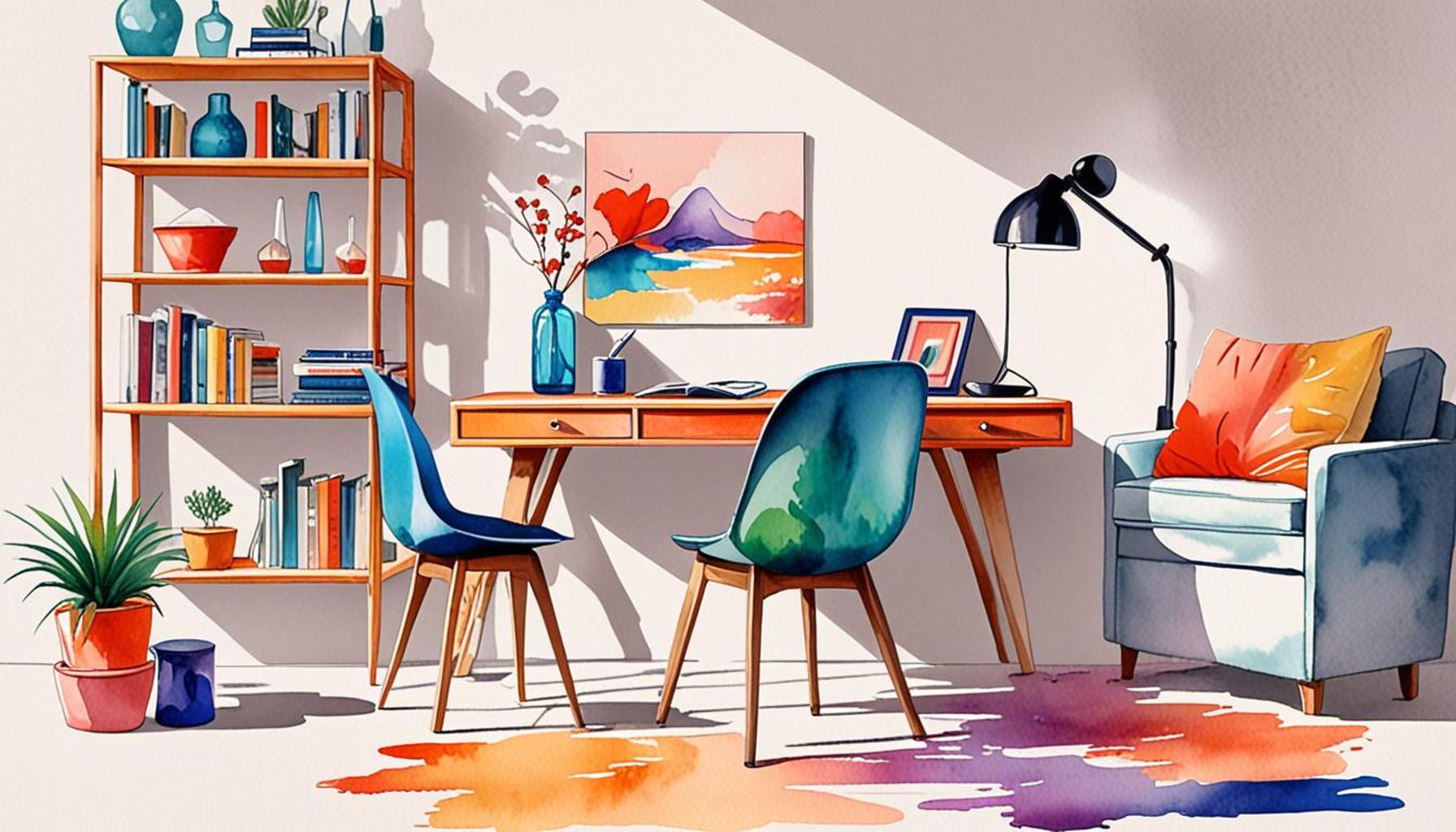
As urban living spaces in cities across the United States become increasingly compact, the importance of multi-functional furniture cannot be overstated. At the heart of the minimalist design movement lies the philosophy of utilizing space efficiently while creating an aesthetically pleasing environment. This approach not only enhances the visual appeal of a home but also promotes a lifestyle marked by intentionality and simplicity.
Every piece of furniture has the potential to serve multiple roles, effectively addressing the need for practicality in small living spaces. By integrating these innovative solutions, individuals can make the most out of their surroundings without overwhelming them with unnecessary items.
Examples of Multi-Functional Furniture
The diverse range of available multi-functional furniture exemplifies the marriage of utility and style. For instance, consider sofas that convert into beds. These versatile pieces are particularly advantageous for hosts who may have limited guest rooms. When unexpected visitors come to stay, a sleek sofa can transform into a comfortable sleeping area in moments, facilitating both comfort and hospitality without cluttering the living space.
Another remarkable example is ottomans with storage. These clever pieces can serve as footrests, coffee tables, or additional seating. Yet their true charm lies in the hidden compartments designed to store essentials such as blankets, books, or remote controls. By keeping these items out of sight, homeowners can maintain a clean and tidy atmosphere, embodying the minimalist aesthetic.
Moreover, expandable dining tables are essential for maximizing space in an apartment or small house. Their ability to expand when needed makes them a practical choice for those who enjoy entertaining. With a few simple adjustments, a modest dining table can accommodate a large gathering, allowing homeowners to entertain friends and family while still preserving a cozy environment for everyday meals.
The Psychological and Environmental Benefits
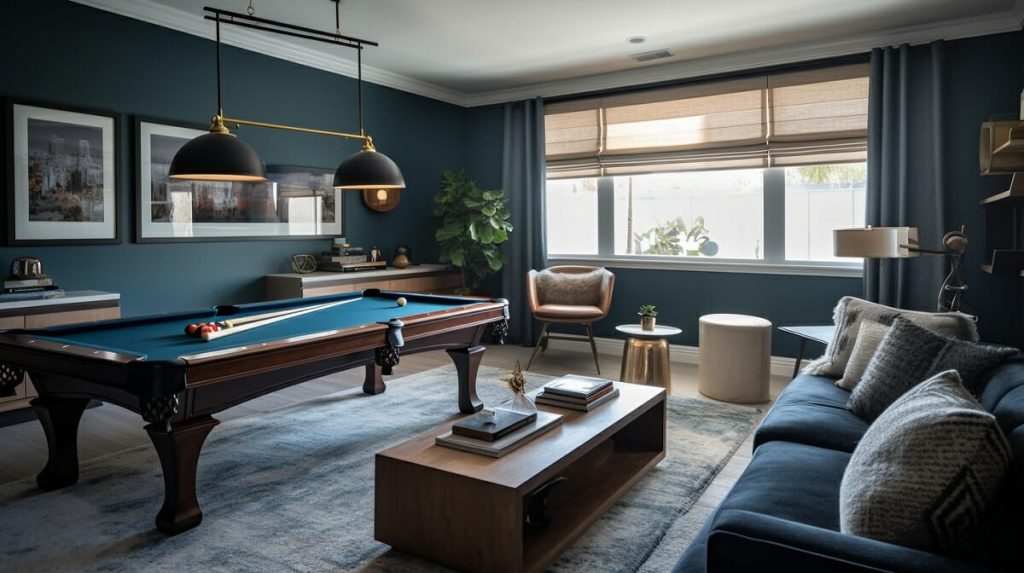
Embracing multi-functional furniture not only improves functionality but also contributes to a serene living space that uplifts the user’s psyche. Minimalism helps eliminate distractions caused by excessive possessions, fostering a calm and organized atmosphere that can enhance focus and creativity. Furthermore, choosing multi-functional pieces often means investing in high-quality items designed to last, thereby creating a more sustainable living environment by reducing waste.
In conclusion, as urban density increases and space becomes a premium, the appeal of multi-functional furniture in minimalist living is more relevant than ever. By opting for innovative pieces that serve multiple purposes, individuals can create environments that reflect their values of simplicity, efficiency, and sustainability. This transformative approach encourages a shift away from consumerism towards a more intentional way of living, where every item holds value and serves a purpose.
DISCOVER MORE: Click here to enhance your shopping experience
Enhancing Space Efficiency with Multi-Functional Furniture
In a world where urban living is synonymous with small spaces, the true value of multi-functional furniture becomes apparent. Minimalist design champions the idea of living with less while maintaining functionality and aesthetic appeal, and multi-functional pieces exemplify this principle. By occupying less space and serving dual or even triple purposes, these innovative solutions liberate square footage, allowing individuals to embrace a clutter-free lifestyle that resonates with their personal values.
As homeowners increasingly prioritize functionality, certain key characteristics define how multi-functional furniture enhances minimalist design:
- Versatility: Multi-functional furniture adapts to various needs, making it suitable for diverse situations. For instance, a pull-out sofa not only serves as a seating area during the day but transforms into an extra bed at night, making it perfect for small apartments or guest rooms.
- Space Optimization: Pieces such as nested tables or foldable desks can be conveniently tucked away when not in use, ensuring that living areas never feel cramped or overstuffed.
- Unified Aesthetic: Minimalist design merges function and form, and multi-functional furniture can achieve elegance without sacrificing style. Each piece can be chosen to harmonize with a cohesive design theme, enhancing both beauty and practicality.
- Sustainability: By investing in fewer high-quality pieces that serve multiple purposes, homeowners can contribute to a more sustainable lifestyle. Fewer items means reduced consumption, ultimately leading to less waste in landfills.
Take, for example, the convenience of a murphy bed. This ingenious furniture solution can be stowed away seamlessly against the wall, freeing up space for other activities during the day. In addition, the modern designs available today ensure that such a bed does not undermine the aesthetic appeal of a room, often resembling elegant cabinetry rather than utilitarian clumsiness. Alternatively, multipurpose workstations that seamlessly transition from a work desk to an art table exemplify how flexible furniture caters to lifestyle changes without compromising on space or style.
Making the Most of Every Square Foot
The practical implications of multi-functional furniture are particularly pronounced in densely populated American cities, where every square foot of real estate is at a premium. For instance, in places like New York City or San Francisco, residents often have to make a choice between living centrally or living spaciously. This pressure drives individuals to seek out space-saving furniture that allows them to enjoy both proximity to amenities and a liveable home. Dual-purpose furniture has become not just a trend but a necessity, allowing homeowners to create fluid living environments that can be easily reconfigured according to their immediate needs.
In conclusion, multi-functional furniture emerges as a transformative element in minimalist design, allowing individuals to curate their spaces with intention and ease. By understanding the benefits and features of these pieces, homeowners can build a thoughtful living environment that champions simplicity while embracing functionality. As we continue to navigate the demands of modern living, the relevance of integrating multi-functional furniture into our homes remains undeniable, promising a future where less truly is more.
The Role of Multi-Functional Furniture in Minimalist Design
As the demand for efficient living spaces grows, the role of multi-functional furniture in minimalist design becomes more pronounced. This type of furniture supports the essence of minimalism—simplicity and functionality—while maximizing the utility of space. With urban living often leading to smaller homes, incorporating furniture that serves multiple purposes can transform a cramped environment into an organized and aesthetically pleasing sanctuary.
Multi-functional furniture pieces, such as sofa beds, extendable dining tables, and storage ottomans, enable homeowners to transition seamlessly between various activities. For instance, a coffee table that doubles as a workstation can be a game-changer in a home office scenario. Not only does this save space, but it also emphasizes thoughtful design and intentional living—cornerstones of the minimalist lifestyle.
Moreover, these innovative solutions encourage creativity and personalization in home decor. By investing in multi-functional pieces, individuals can foster a unique style that reflects their personality while adhering to minimalist principles. This is especially important as more people seek to curate living spaces that are not only functional but also express individual identity.
As we delve deeper into the benefits of multi-functional furniture, it’s vital to explore how these designs influence our daily lives and contribute to sustainable living practices. Collectively, they challenge conventional design norms and pave the way for a more efficient, mindful way of living that withstands the test of time.
| Advantage | Description |
|---|---|
| Space Optimization | Allows for efficient use of limited space through dual-purpose furniture. |
| Cost Efficiency | Reduces the need for multiple furniture pieces, saving money and resources. |
By exploring the myriad ways in which multi-functional furniture can be incorporated into minimalist design, homeowners can elevate their spaces while embracing a sustainable lifestyle that emphasizes smart living. The shift towards this practical approach not only enhances aesthetics but also lays the foundation for a more organized and comfortable environment.
DISCOVER MORE: Click here to find out how simplicity can transform your life
Transforming Living Spaces through Innovation
As the demand for multi-functional furniture continues to rise, manufacturers are increasingly incorporating innovative designs that align with the principles of minimalist design. This evolution reflects a growing understanding of how furniture can serve a multitude of functions without compromising on style, thus catering to the aesthetic preferences of modern consumers.
Take, for example, the rise of the modular sofa. Unlike traditional sectional sofas that can lock homeowners into a singular arrangement, modular sofas offer unmatched flexibility. Available in various shapes and sizes, these sofas can be reconfigured easily, catering to changing entertainment needs or modifying living spaces on a whim. As more individuals embrace the concept of open floor plans, divided basements, or even studio apartments, this type of adaptability proves invaluable.
Another notable innovation is the transformation of furniture into smart technology hubs. With the increasing integration of technology into daily life, pieces like coffee tables with built-in charging stations or entertainment centers that serve as both storage and tech docking stations demonstrate how multi-functional furniture adapts to the digital age. As seen in recent trends, more consumers are prioritizing technologically advanced furniture, which speaks directly to a lifestyle that values both connectivity and space efficiency.
Multi-Functional Solutions for Every Room
The role of multi-functional furniture extends beyond just living areas; various solutions can enhance the efficiency and style of different rooms throughout the home. In the kitchen, an island with hidden storage can maintain a tidy appearance while providing additional workspace. Likewise, dining tables that double as game tables serve not only for meals but also for entertainment, bridging the gap between functionality and leisure.
Furthermore, bedroom furniture has seen significant innovations as well. Consider beds with integrated storage drawers or headboards that contain hidden shelves. Not only do these designs alleviate the need for extra storage units that can clutter a room, but they also add a modern touch to the aesthetic. Even children’s furniture has not escaped this trend, with options like convertible cribs that transform into toddler beds, ensuring that families can make the most of their investments as their children grow.
As minimalist design encourages mindfulness, the choice of multi-functional furniture becomes a platform for intentional living. By selecting pieces that resonate with their lifestyle needs and personal style, individuals can curate a space that reflects their identity. This aligns perfectly with the minimalist ethos of keeping only what is necessary and valuable, allowing for a living environment that is both beautiful and purposeful.
In addition, the trend of renting rather than buying has gained traction, especially among younger generations and urban dwellers. This shift has fostered a market for temporary and adaptable furniture solutions. Companies now specialize in rental furniture that is not only easy to transport but designed for versatility. Items such as collapsible futons or stackable chairs are ideal for renters who need to maximize a small footprint without sacrificing style.
Ultimately, as consumer needs continue to evolve, the intersection of technology, functionality, and design will further shape the landscape of multi-functional furniture. Innovations will likely keep expanding, offering even more possibilities for those seeking to live minimally in an increasingly complex world. As multi-functional furniture continues to dominate trends, it is a testament to how design can influence our lifestyles, leading us toward a more sustainable and stylish way of living.
DIVE DEEPER: Click here to discover effective strategies
Embracing Space: The Future of Minimalist Living
In conclusion, the significance of multi-functional furniture in minimalist design cannot be overstated. As living spaces become increasingly compact and lifestyles grow more dynamic, the demand for furniture that adapts to various needs is paramount. The innovative designs that have emerged, from versatile modular sofas to smart technology-integrated furnishings, enable individuals to maximize utility without forgoing style. This trend not only aligns with minimalist principles but also champions the idea of intentional living—curating spaces that are both functional and reflective of personal identity.
Furthermore, as urbanization and the rise of the rental market continue, consumer patterns indicate a preference for furniture that offers flexibility and ease of use. Adaptable solutions, such as convertible beds or kitchen islands with hidden storage, allow residents to optimize their environments efficiently, fostering a home that feels spacious and organized even in limited areas. Such innovations are essential for navigating the complexities of modern life, where both technology and minimalism play crucial roles in shaping our daily experiences.
As we look toward the future, the evolution of multi-functional furniture is bound to progress, offering even more elegant and practical solutions. This synergy between form and function invites us to redefine our living spaces, embracing a sustainable lifestyle that is as stylish as it is purposeful. Ultimately, it is this balance that will continue to inspire and guide the minimalist movement, making our homes not only a reflection of our needs but also a testament to the beauty of simple living.
Related posts:
Cultivating Mindful Spaces: How to Use Space Optimization to Enhance Personal Reflection Areas
Decluttering for Efficiency: How Space Optimization Enhances Personal Organization
Tech-Savvy Minimalism: Using Smart Devices to Maximize Space Efficiency
Maximize Small Spaces Minimalist Organization Tips for Urban Apartments
Maximizing Small Living Spaces: Strategies for Effective Space Optimization
Sustainable Minimalism: Eco-Friendly Space Optimization Techniques for Conscious Living

Linda Carter is a writer and organization expert specializing in minimalism and personal organization. With extensive experience helping individuals create clutter-free, functional spaces and adopt mindful habits, Linda shares her knowledge on our platform. Her goal is to empower readers with practical advice and strategies to simplify their lives, stay organized, and achieve a sense of calm and balance in their daily routines.