The Art of Minimalist Decorating: Using Space Optimization to Create Visual Serenity
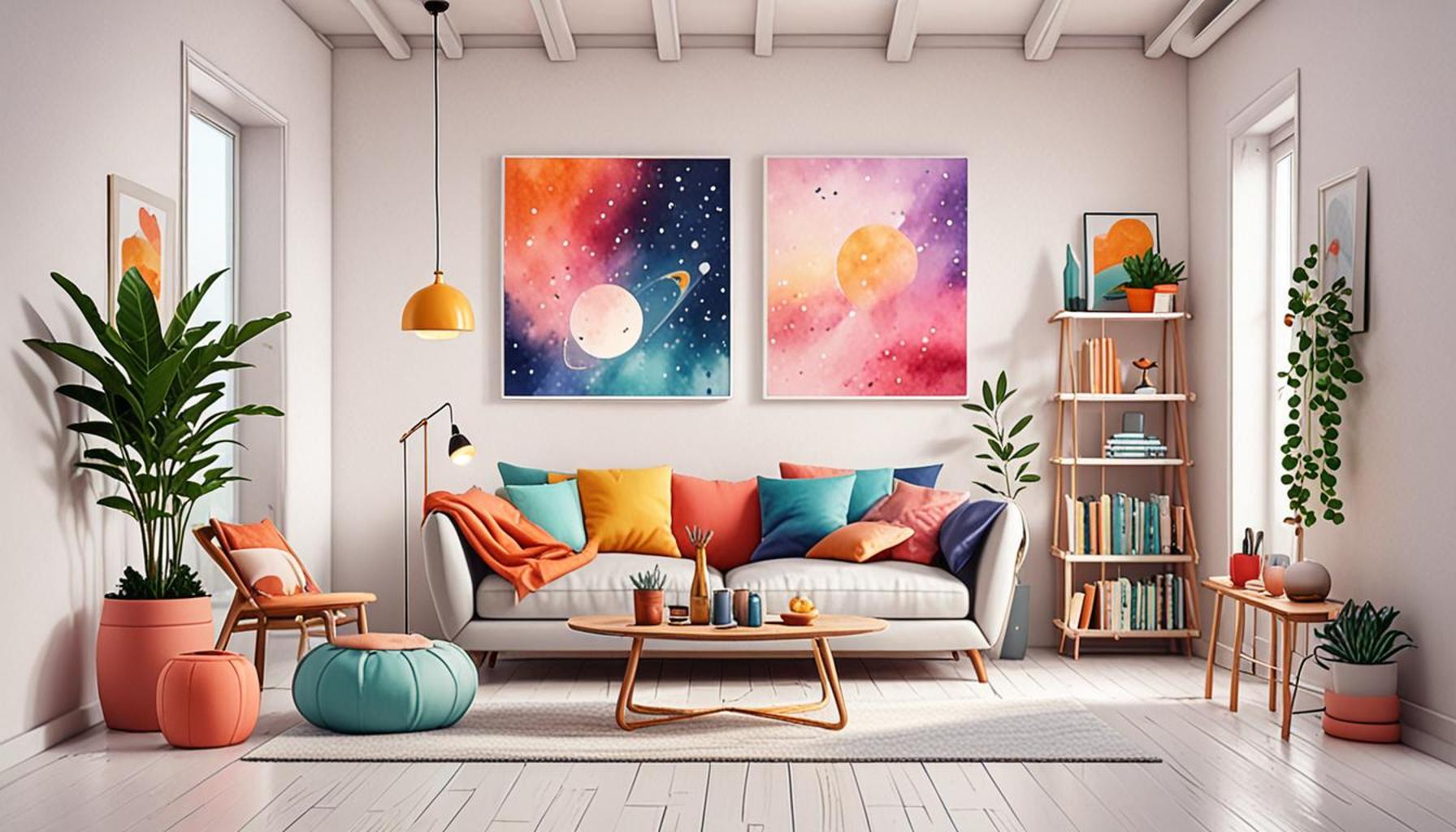
The Art of Minimalist Decorating
In a world filled with clutter and constant noise, minimalist decorating emerges as a refreshing approach to interior design. This aesthetic not only focuses on beauty but also emphasizes the importance of space optimization to cultivate a sense of calm and serenity. Many find that less truly is more when it comes to creating harmonious living spaces.
Minimalism invites occupants to embrace simplicity, allowing their environments to breathe. By stripping away excess, you can focus on what truly matters—creating functional, serene spaces that support mental clarity and emotional well-being.
Key elements of minimalist decorating include:
- Neutral Color Palettes: Colors such as soft whites, muted greys, and earthy tones work wonders in creating a tranquil environment. These hues not only expand the visual space but also encourage relaxation. For instance, a living room painted in a warm off-white can feel inviting and expansive, promoting a restful atmosphere.
- Functional Furniture: Opt for pieces that serve multiple purposes, such as a sofa bed for accommodating guests or coffee tables with built-in storage. This functionality helps reduce clutter and maximizes space efficiency. Contemporary furniture design often provides clever solutions to common storage challenges, allowing homeowners to maintain an orderly environment.
- Open Spaces: Emphasizing negative space promotes a feeling of openness. An open floor plan can create a seamless flow from room to room, enhancing the overall sense of tranquility. For example, removing non-load-bearing walls can make a small apartment feel larger and more inviting, transforming it into a personal haven.
By streamlining your home decor, you can achieve a sanctuary that encourages relaxation and mindfulness. Beyond aesthetics, minimalist design fosters practicality in everyday life. A well-thought-out arrangement can significantly impact your mental well-being, inviting visual serenity into your environment and inspiring a more simplified lifestyle. Consider how often you encounter distractions in a cluttered space—minimalism helps to eliminate these barriers, allowing for greater focus.
As you delve deeper into the principles of minimalist decorating, you will uncover various strategies for effective space management. For instance, adopting a “One In, One Out” policy—where you remove an item for every new item you bring in—can drastically reduce clutter over time. These methods not only redefine your surroundings but also invite new ways to live. You may find that embracing minimalism allows you to cultivate a lifestyle that prioritizes experiences over possessions.
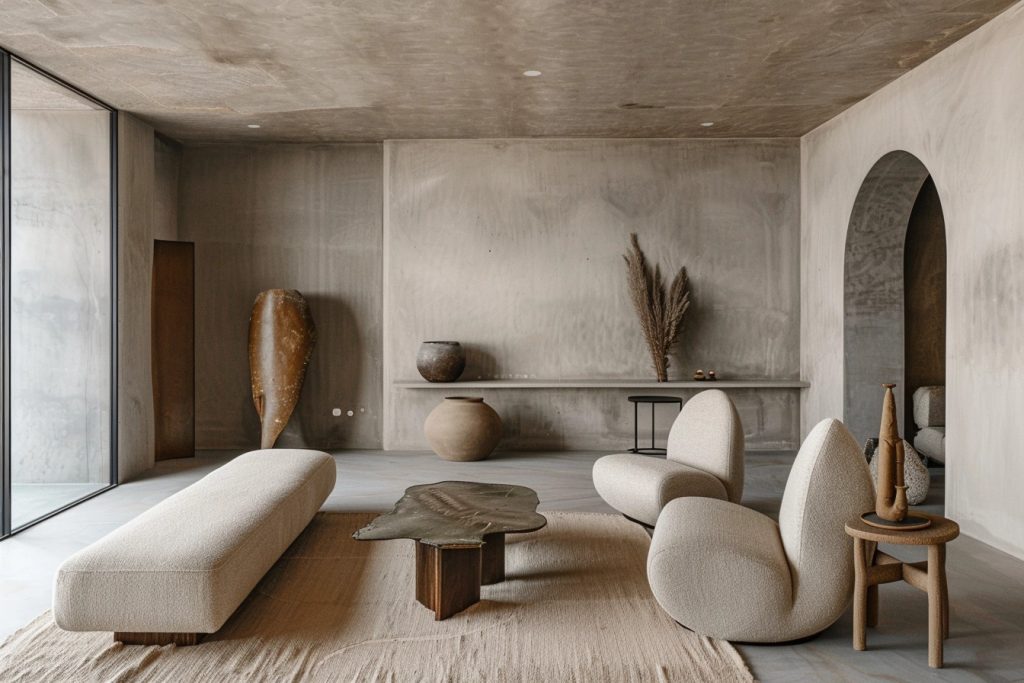
Ultimately, prepare to explore the transformative power of minimalism in creating a sanctuary that speaks to both comfort and style. Whether you’re downsizing, redecorating, or simply yearning for a fresh perspective, the principles of minimalist decorating can guide you toward a tranquil living space that nourishes your soul.
DISCOVER MORE: Click here to learn effective decluttering strategies
Exploring the Principles of Minimalist Design
The essence of minimalist decorating goes beyond aesthetics; it is fundamentally about achieving balance and clarity within your living space. By understanding the core principles of minimalism, you can start to foster a home environment that promotes peace and functionality. This approach resonates deeply in today’s fast-paced world, where the allure of simplicity offers a counterbalance to chaos.
At the heart of minimalist design is the conviction that every object must serve a purpose. Therefore, decluttering becomes paramount. Begin by assessing each room to identify items that no longer serve a functional or emotional role in your life. This process not only frees up physical space but also clears mental clutter, leading to a more organized and serene environment. A recent study published in the Journal of Environmental Psychology indicated that even small reductions in clutter can lower stress levels significantly, enhancing overall well-being.
Key Strategies for Space Optimization
Implementing minimalist principles in your home involves thoughtful planning and a keen eye for detail. Here are some effective strategies that can help you optimize space while creating visual serenity:
- Quality Over Quantity: Invest in high-quality, timeless pieces that resonate with your style rather than hastily acquiring multiple low-quality items. This encourages a less crowded aesthetic and adds a touch of elegance to your decor.
- Smart Storage Solutions: Utilize vertical space by incorporating shelves and cabinets that take advantage of overhead areas. Hidden storage is also a smart choice—think of ottomans with compartments or beds with drawers to conceal belongings without sacrificing accessibility.
- Embrace Natural Light: Maximize natural light by using sheer curtains or leaving windows unobstructed. Sunlight not only enlarges a space visually but also elevates the mood, creating a more inviting and peaceful atmosphere.
- Defined Zones: Create distinct areas for different activities within open spaces. Use rugs or furniture arrangement to delineate spaces, allowing specific functionality to shine through while maintaining an overall minimalist approach.
By applying these strategies, your environment can transform into one that nurtures tranquility and fosters a sense of purpose. Walls that once felt closed-in can become expansive, and spaces that appeared cramped can feel refreshing. The key is to remain intentional about what you choose to include in your home. Each piece should contribute to a narrative of serenity and simplicity.
As you embark on the journey of minimalist decorating, remember that it is not merely about emptying your space; it is about curating a lifestyle. A well-organized home reflects a mind at peace. Through conscious decision-making, you can create a haven that encourages relaxation, productivity, and clarity—qualities that are essential in cultivating a fulfilling life.
| Advantages | Details |
|---|---|
| Enhanced Focus | Minimizing clutter allows for greater concentration on the essentials, creating a more productive environment. |
| Visual Serenity | The use of open spaces promotes a sense of calmness and tranquility within the home. |
| Versatile Design | A minimalist approach facilitates easy adaptability across different styles and tastes. |
| Improved Functionality | Space optimization enhances movement and usability, making it easier to navigate through rooms. |
Incorporating space optimization techniques into your decor can transform your living space into a serene retreat. Each of these advantages highlights the potential of minimalist decorating to not only enhance the aesthetic appeal but also to contribute to overall well-being and better living experiences. As you explore the nuances of minimalist design, you will discover how to effectively balance beauty with functionality in your environment, ultimately leading to a simplified lifestyle that promotes clarity and peace. Embrace the art of minimalism and unlock the hidden potential within your home.
LEARN MORE: Click here to discover the art of mindful spending
The Psychological Benefits of Minimalist Spaces
Beyond the visual appeal, minimalist decorating can profoundly influence your mental wellness. Research in psychology underscores the connection between our environments and our emotional states. A clutter-free, simplified space not only looks inviting but can also drastically reduce anxiety and stress. In a 2021 study by researchers at Princeton University, it was found that physical clutter can overload the senses, leading to decreased focus and productivity. This highlights how space optimization can be harnessed to curate an atmosphere of calm.
The principles of minimalist design extend into the realm of mindfulness. By surrounding ourselves only with things that serve a specific purpose or evoke joy, we are better able to engage with our environment on a deeper level. This practice echoes the philosophy of renowned minimalist designer Marie Kondo, who encourages individuals to consider how their belongings contribute to their sense of peace. In this sense, minimalist decorating is not just a trend; it’s a lifestyle choice that promotes intentional living.
Color and Texture: The Subtle Power of Simplicity
When considering color palettes and textures in minimalist spaces, subtlety reigns supreme. Soft, neutral tones often dominate minimalist design, favoring shades like whites, creams, and soft grays, which can create an expansive and tranquil feeling. However, incorporating occasional pops of color through art or accent pieces can invigorate the space without overwhelming it. A 2020 survey from the American Psychological Association highlighted that color can play a crucial role in our mood and perception; therefore, selecting the right color can enhance both the aesthetic and emotional ambiance of a room.
Texture is equally vital in enhancing minimalism. By layering different textures—such as woven textiles, smooth glass, or raw wood—one can create visual interest while maintaining a streamlined appearance. This approach not only adds depth to a space but also fosters a sensory experience that draws attention without creating disorder. Implementing textured elements, such as a cozy throw blanket or a plush area rug, can offer warmth and comfort, reminding us that minimalism doesn’t equate to starkness; rather, it celebrates simplicity with purpose.
Personalization within Minimalism
The challenge of minimalist decorating often lies in balancing personal expression with the desire for simplicity. Achieving a minimalist aesthetic does not mean erasing all traces of personality from your space. Instead, select a few meaningful items that represent your identity and values. Whether it’s a collection of travel souvenirs, family photos, or artwork that resonates with you, these intentional displays can serve as focal points devoid of chaos.
The key is to strike a balance. For instance, rather than lining shelves with numerous knick-knacks, consider a curated selection that equally reflects your individuality and aligns with the overarching narrative of simplicity. This approach not only enhances your space but also fosters a connection between the objects and your personal journey, making each piece more meaningful.
Ultimately, the art of minimalist decorating transcends the mere arrangement of furniture or selection of decor. It is about fostering a sanctuary that embodies calm, a reflection of your inner serenity, and a commitment to intentional living. Each strategic choice becomes a statement of purpose, reminding us that less truly can be more in our quest for visual and emotional balance.
DISCOVER MORE: Click here to enhance your well-being
Conclusion: Embracing the Beauty of Less
In a world often defined by chaos and overstimulation, the art of minimalist decorating offers a refreshing reprieve. By harnessing the power of space optimization and intentional design, we can transform our environments into serene havens that nurture both our minds and spirits. Minimalism is not merely about reducing clutter; it is about curating spaces that enhance our emotional well-being and promote mindfulness.
Through thoughtful color palettes, varying textures, and carefully selected personal items, we can evoke a strong sense of serenity while reflecting our individuality. As we prioritize purpose and simplicity, we not only create aesthetic beauty but also cultivate a more meaningful connection with our surroundings. The psychological benefits of minimalist spaces empower us to engage in deeper reflections, hone our focus, and experience a sense of tranquility that leads to improved quality of life.
Ultimately, adopting a minimalist approach encourages us to evaluate what we truly need and cherish. It challenges the prevalent consumerist culture, pushing us toward intentional living and a more profound appreciation for our existence. As we digest the principles of minimalist decorating, we invite a lifestyle that celebrates visual serenity, reminding us that sometimes, less is indeed more. In this pursuit, we can create spaces that resonate with peace, enabling us to thrive amid the busyness of modern life. By inviting minimalism into our homes, we embrace a way of living that not only looks good but feels good too.
Related posts:
Seasonal Minimalism: Adjusting Your Space Optimization Strategies Throughout the Year
The Minimalist Approach to Home Gyms: Space Optimization for Fitness Enthusiasts
Cultivating Mindful Spaces: How to Use Space Optimization to Enhance Personal Reflection Areas
Tech Tools for Space Optimization Apps for a Minimalist Lifestyle
The Psychology of Open Spaces: How Layout Affects Mindfulness and Organization
Maximizing Small Living Spaces: Strategies for Effective Space Optimization

Linda Carter is a writer and organization expert specializing in minimalism and personal organization. With extensive experience helping individuals create clutter-free, functional spaces and adopt mindful habits, Linda shares her knowledge on our platform. Her goal is to empower readers with practical advice and strategies to simplify their lives, stay organized, and achieve a sense of calm and balance in their daily routines.