Tech-Savvy Minimalism: Using Smart Devices to Maximize Space Efficiency

The Intersection of Technology and Minimalism
As consumerism continues to surge, many individuals are increasingly seeking a respite through minimalism. This quest for simplicity has escalated in today’s fast-paced world, where the integration of technology offers a remarkable solution. With the arrival of smart devices, maximizing space efficiency has never been more attainable—or stylish.
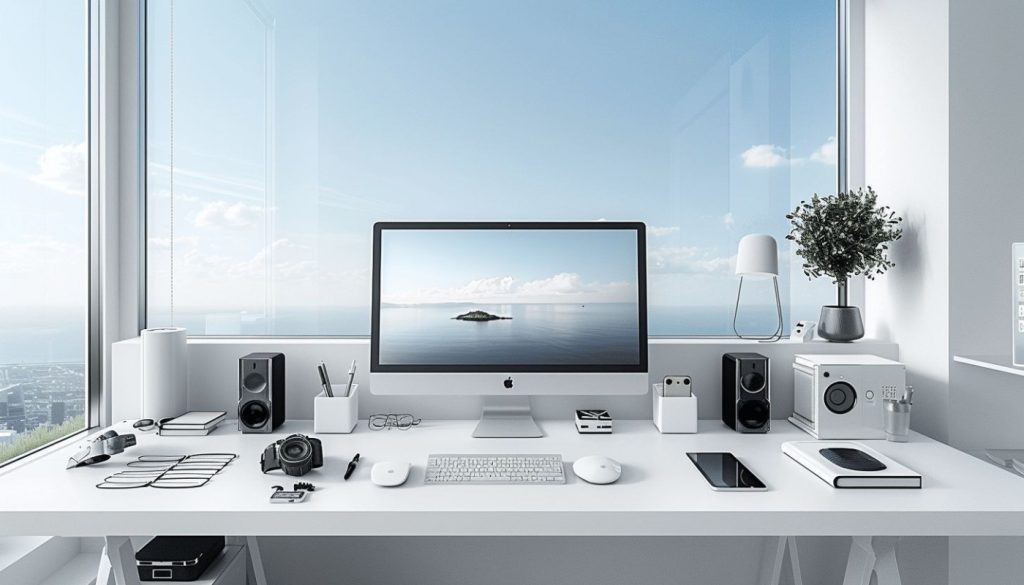
Imagine a home where clutter is eliminated, and every square foot is intentionally designed for maximum impact. The fusion of technology into our living spaces not only enhances functionality but also transforms our approach to physical environments. Let’s explore some examples:
- Smart lighting systems: These advanced systems can be programmed to adjust brightness and color temperature according to the time of day or the mood set by the homeowner. For instance, systems like Philips Hue allow users to customize lighting scenes from their smartphones, reducing the need for multiple light fixtures and contributing to a cleaner aesthetic.
- Multi-purpose furniture: Pieces such as fold-out desks or sofas that convert into beds play a crucial role in optimizing smaller living areas. Brands like IKEA are champions of this concept, offering furniture that blends seamlessly into various functions, making them ideal for urban dwellers or those living in compact homes.
- Smart home assistants: Devices like Amazon Echo or Google Nest help manage daily tasks by setting reminders, managing schedules, or controlling other smart home devices. They serve as an organizational backbone, significantly reducing the chaos of everyday life and promoting a streamlined environment.
The potential for these devices goes beyond mere aesthetics; they empower homeowners to curate spaces that are both functional and visually appealing. The concept of tech-savvy minimalism embodies more than a design trend; it advocates for a lifestyle shift towards efficiency and sustainability. In a world where resources can be scarce, emphasizing the importance of the smart use of space contributes to a more responsible living ethos.
Exploring the landscape of smart home innovations reveals a future where living spaces do not require compromise. Instead, they embody a balanced coexistence of style, efficiency, and comfort. For those invested in redefining their living experience, these groundbreaking tools illustrate the profound possibilities available within a tech-enhanced existence. By embracing options that maximize function while reducing clutter, individuals can create meaningful environments that enhance not only their homes but their overall quality of life.
In conclusion, the integration of technology into minimalistic living encourages a paradigm shift that embraces both aesthetic value and practical purpose. This evolution invites users to engage with their surroundings in a novel way, reimagining not only their spaces but also their lifestyles as a whole.
DISCOVER MORE: Click here to maximize your space
Innovative Smart Devices Transforming Space Management
The advent of smart devices has dramatically reshaped how we perceive and utilize our living spaces. By leveraging the power of technology, homeowners can achieve a well-organized, minimalist environment that prioritizes functionality and aesthetics. From smart appliances to automated organizational systems, these innovations are at the forefront of the tech-savvy minimalism movement.
One of the most influential categories within this movement is smart appliances. These devices are designed to integrate seamlessly into our daily routines, optimizing not just functionality but also the use of space. Imagine a refrigerator that alerts you when you’re running low on certain items and suggests recipes based on what you have on hand. Brands like Samsung and LG are leading the charge with refrigerators equipped with touch screens that feature organization tools and meal-prepping functionalities. This not only reduces grocery clutter but also encourages smarter consumption habits.
Another critical advancement lies in the realm of smart storage solutions. Smart locks, such as those offered by August or Schlage, provide secure, keyless entry to your home while eliminating the need for physical keys, which can often be a source of clutter. Digital lock systems can also grant temporary access to guests or service personnel, making management far more efficient. Additionally, smart under-bed storage solutions, which can be controlled via an app, allow for easy access to seasonal items without compromising floor space.
Energy Efficiency and Space Utilization
Smart devices also excel in promoting energy efficiency, reflecting a growing awareness of sustainable living. Products like the Nest Learning Thermostat not only learn your temperature preferences but also adjust settings in real-time to minimize energy waste. An energy-efficient home reduces the number of energy-consuming devices and encourages homeowners to embrace minimalist practices while remaining eco-friendly.
Furthermore, the integration of smart technology provides invaluable data and insights, enabling users to track their habits and make informed decisions about their space usage. For example, smart sensors can monitor the usage and efficiency of various rooms, alerting users to underutilized areas. This can prompt a redesign that eliminates unnecessary furniture or even converts a seldom-used bedroom into a home office or creative space, optimally utilizing every square foot.
In a world where the average American home measures approximately 2,500 square feet, the struggle to maintain order and efficient usage is paramount. Smart devices pave the way for a more regimented and effortless way of living. These tools not only enhance our enjoyment of our homes but also support the minimalist lifestyle by allowing us to live with intention and purpose.
Embracing tech-savvy minimalism is akin to adopting a lifestyle of balance—one that merges modern conveniences with the purity of minimalism, making home management simpler, more efficient, and ultimately more enjoyable. The future of space efficiency is indeed bright, as smart technology continues to evolve in concert with the principles of minimalism.
| Category | Details |
|---|---|
| Smart Home Devices | Smart home devices reduce clutter by consolidating multiple functionalities into one unit. |
| Space Management | Adapt to dynamic layouts with devices like multifunctional furniture, which serve dual purposes. |
| Energy Efficiency | Smart devices not only enhance your space but also offer energy savings through optimized use. |
| Environmental Impact | Leverage smart technology to reduce your carbon footprint, contributing to sustainability. |
The shift to a tech-savvy minimalist lifestyle encourages individuals to think critically about the integration of smart devices in their daily lives. These devices not only streamline personal environments, but they also create efficient spaces that cater to modern needs. By minimizing physical clutter, technology allows homeowners to focus on essentials, thereby enhancing both productivity and quality of life. Moreover, with the rise of the internet of things (IoT), monitoring and controlling multiple aspects of home environments from a single app provides an unparalleled convenience that was previously unimaginable. This combination of functionality and clever design epitomizes the essence of tech-savvy minimalism. Get ready to explore a smarter way to live while maximizing space efficiency!
DIVE DEEPER: Click here to discover more tips
Smart Home Integration for a Seamless Experience
The concept of a smart home has transcended the boundaries of mere convenience and is quickly becoming integral to minimalist design philosophy. By integrating various smart devices into one cohesive system, homeowners can enhance functionality while minimizing clutter. Tools like Amazon Alexa or Google Assistant act as the central hub of your smart home, enabling voice control for multiple devices, including lighting, temperature, security, and entertainment systems. This integration simplifies the user experience and allows individuals to manage their homes without the bombardment of individual remote controls or apps for each device.
Moreover, the reduction of physical devices corresponds with an emphasis on efficiency. For instance, smart lighting systems, such as those from Philips Hue, not only provide customizable ambiance but can also be controlled remotely or scheduled to match your daily routine. This capacity to automate features can eliminate the need for multiple lamps and overhead lights, allowing for more open space and minimal distractions. Imagine turning off all your lights with a single voice command as you leave the house, a perfect synergy of tech-savvy minimalism.
Compact Furniture and Smart Design
When it comes to maximizing space efficiency, furniture that incorporates smart technology can make a significant difference. Companies like Ikea and Loctek are pioneering furniture designs that serve dual purposes, aiding the minimalist approach. Take, for example, smart desks that can automatically adjust height based on user preferences, transitioning from sitting to standing with ease. Such designs not only save space but also contribute to a healthier lifestyle, making it another example of how minimalism and technology can harmoniously coexist.
Additionally, modular furniture, which can be easily reconfigured, allows homeowners to adapt their spaces in ways previously thought impossible. Sofas that can transform into beds, expandable dining tables, or stackable chairs all cater to dynamic lifestyles while ensuring that living areas remain uncluttered and visually appealing. This type of versatile furniture exemplifies the idea of living with less while having everything you need at your disposal.
The Role of Smart Technology in Decluttering
As decluttering becomes a core principle of minimalism, smart technology aids in maintaining this ethos. Apps such as Todoist or Evernote can help homeowners manage tasks, organize schedules, and keep track of personal belongings without the need for physical lists or notes that litter tables and countertops. In addition to task management, digital inventory systems allow users to catalog and monitor their possessions, encouraging them to part with unnecessary items that contribute to visual clutter.
Furthermore, smart waste management systems such as the Simplehuman sensor trash can can track waste disposal habits and even integrate with recycling initiatives, promoting a cleaner and more organized space. This technology not only enhances the efficiency of waste management but also instills mindfulness regarding the items we choose to keep and discard.
Ultimately, the ongoing evolution of smart devices continues to bridge the gap between modern living and minimalist philosophy, showing how technology can foster a more organized, sustainable, and aesthetically pleasing home environment. As more breakthroughs in smart technology are introduced, the possibilities for maximizing space efficiency are limitless—and the journey toward a tech-savvy minimalist lifestyle will only grow more enticing.
DISCOVER MORE: Click here for mindful spending tips
Conclusion: Embracing a Harmonious Balance of Technology and Minimalism
In an era where space efficiency and technological advancement intertwine, the concept of tech-savvy minimalism emerges as an innovative solution for modern living. As smart devices proliferate, they present unparalleled opportunities to streamline our environments while effectively enhancing day-to-day functionality. The integration of smart home systems allows for a seamless user experience that not only reduces clutter but also promotes a simplified lifestyle.
The rise of versatile, technology-infused furniture demonstrates that maximizing space doesn’t necessitate sacrifice. Options that offer both function and style enable individuals to embrace a minimalist aesthetic without compromising on comfort or utility. From automatic height-adjusting desks to modular seating, the choices available cater perfectly to a lifestyle focused on adaptability and purposeful living.
Moreover, smart applications promote a decluttered mindset, encouraging us to be more mindful of our possessions. By effectively managing tasks and maintaining inventory, technology fosters an environment where simplicity reigns, reducing distractions and enhancing productivity. This newfound consciousness not only elevates our immediate living spaces but extends to how we think about consumption and sustainability.
As we venture further into this digital age, the marriage of technology and minimalism is sure to evolve. Those who embrace the principles of tech-savvy minimalism will likely find that they are not just investing in their homes, but also in an enriched lifestyle—one that values efficiency, tranquility, and sustainable practices. The journey towards maximizing space with smart devices is not just about living with less; it’s about making room for more of what truly matters.
Related posts:
Seasonal Minimalism: Adjusting Your Space Optimization Strategies Throughout the Year
Incorporating Vertical Space: Creative Solutions for Minimalist Living
The Psychology of Open Spaces: How Layout Affects Mindfulness and Organization
Maximize Small Spaces Minimalist Organization Tips for Urban Apartments
Embracing Minimalism in Shared Living: Space Optimization for Harmony
Sustainable Minimalism: Eco-Friendly Space Optimization Techniques for Conscious Living

Linda Carter is a writer and organization expert specializing in minimalism and personal organization. With extensive experience helping individuals create clutter-free, functional spaces and adopt mindful habits, Linda shares her knowledge on our platform. Her goal is to empower readers with practical advice and strategies to simplify their lives, stay organized, and achieve a sense of calm and balance in their daily routines.