Designing a Minimalist Home Office: Space Optimization for Productivity
Creating a Productive Sanctuary
In today’s fast-paced world, the concept of a minimalistic home office has gained remarkable traction. A well-designed workspace can boost productivity while also enhancing mental clarity. With the right approach, you can create an inviting yet efficient environment that fosters creativity and focus.
Key Features of a Minimalist Home Office
- Decluttered Space: The cornerstone of a minimalist home office is a decluttered space that emphasizes essential items only. By removing non-critical objects, you can maintain focus on the tasks that matter, reducing the overwhelm that comes with clutter.
- Neutral Color Palette: A neutral color palette—think whites, greys, and soft pastels—not only promotes focus but also reduces distractions. These calming tones create a serene backdrop that allows your mind to work fluidly, minimizing visual chaos.
- Functional Furniture: Every piece of furniture should serve a purpose. Invest in a quality desk that supports your work style, whether it’s a standing desk for flexibility or an ergonomic chair to promote comfort during long hours. Multifunctional items like bookshelves that serve as dividers can enhance both aesthetics and usability.
- Natural Light: Harnessing natural light can greatly enhance mood and energy levels. A workspace positioned near a window allows sunlight to stream in, which can reduce eye strain and fatigue, boosting productivity throughout the day.
- Smart Storage Solutions: To keep everything organized and easily accessible, incorporate smart storage solutions such as wall-mounted shelves and stylish boxes. This not only aids in organization but also allows you to showcase decorative items that resonate with your style while maintaining a clean environment.
Embracing a minimalist approach can lead you to a workspace that motivates and inspires creativity. Studies show that decluttering can effectively reduce stress levels, which is crucial for maintaining productivity. For instance, a report from the Princeton University Neuroscience Institute suggests that physical clutter competes for your attention, resulting in decreased performance. This insight underscores the importance of a minimalist design in cultivating an environment conducive to focused work.
Why Minimalism Matters
Minimalism is more than just aesthetic; it influences how we work. By understanding the principles behind space optimization, you can transform your home office into a productivity powerhouse. A minimalist environment encourages clear thinking, fosters creativity, and instills a sense of calm—qualities that are essential in today’s working environment where distractions are abundant.
Join us as we delve into actionable tips and tricks that will help you achieve your own minimalist sanctuary. Consider conducting a personal audit of your current workspace: what items serve you, and which ones do not? Through intentional design and thoughtful choices, you can curate a space that not only looks good but feels good, ultimately enhancing your work experience.
DISCOVER MORE: Click here to learn about mindful spending
Prioritizing Functionality and Comfort
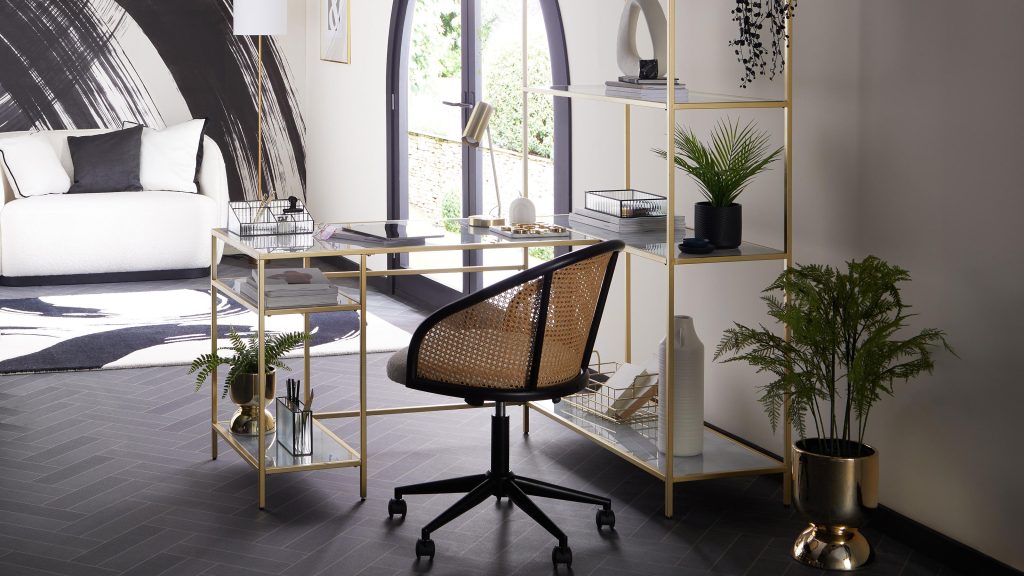
When designing a minimalist home office, the first step is to prioritize functionality and comfort. Each element in your workspace should contribute to your productivity. Start by assessing your workflow and identifying essential tools and supplies you need at arm’s reach. A common mistake is cramming too many items into a limited space; instead, aim for a streamlined environment that promotes efficiency.
Incorporating ergonomic designs is crucial in creating a workspace that safeguards your physical well-being during prolonged work hours. For example, an adjustable desk can provide the flexibility needed to switch between standing and sitting, reducing the strain on your back and neck. Ergonomic accessories such as keyboard trays and mouse pads can also minimize discomfort, further enhancing your focus on tasks at hand.
Inviting Nature Indoors
Integrating elements of nature into your minimalist office can significantly impact your productivity and mood. Plants are not merely decorative; they have been shown to improve air quality and boost creativity. Consider easy-to-care-for varieties like succulents or snake plants that can thrive in various light conditions. According to a study published by the Journal of Environmental Psychology, interaction with nature can enhance cognitive function and concentration, making your workspace a tranquil oasis.
Creating Distinct Zones
To optimize space efficiently, think about creating distinct zones within your home office that cater to different tasks. This can help delineate work from leisure, creating a psychological boundary that enhances focus. Here are some suggested zones:
- Work Zone: This is where your primary tasks occur. Keep only the essential technology and supplies here, such as your laptop, notebooks, and reference materials.
- Creativity Zone: If your work includes brainstorming or creative thinking, designate a space with tools that inspire you—think sketch pads, colored pens, or even a mood board.
- Relaxation Zone: Include a small chair or cushion for moments of relaxation. This space can serve as a mental reset area, where stepping away from your desk can refresh your perspective.
Establishing such zones can foster a sense of order and purpose, allowing you to shift your mindset quickly as you transition between tasks. By visualizing activities in clearly defined areas, you can avoid the chaos that often accompanies multitasking in unstructured settings.
As you implement these principles into your minimalist home office design, remember that the goal is to create a space that supports your efficiency while maintaining tranquility. Each choice, from furniture to decor, should reflect your unique work style and preferences while adhering to minimalist principles, ultimately paving the way for heightened productivity.
| Advantages | Descriptions |
|---|---|
| Enhanced Focus | A minimalist environment reduces distraction, allowing for increased concentration on tasks. |
| Efficient Use of Space | By utilizing multi-functional furniture, every square foot is optimized for productivity and utility. |
| Improved Mood | A decluttered space can enhance well-being, leading to creativity and better mental health. |
| Increased Efficiency | Minimalism fosters an organized workflow, making it easier to accomplish tasks and meet deadlines. |
In a world filled with constant interruptions and distractions, the importance of a well-designed workspace cannot be overstated. Designing a Minimalist Home Office not only conveys aesthetics but serves a greater purpose: space optimization for productivity. Every piece of furniture and decor should have a function, eliminating clutter that bogs down creativity.Consider utilizing vertical storage solutions to free up floor space while ensuring frequently used items are easily accessible. Additionally, aligning your workspace with natural light can significantly enhance your mood and energy levels, sharpening focus and motivation.Embracing a minimalist philosophy at home creates a sanctuary for work—organizing both the physical space and mental clarity. Explore tools and techniques for minimalism that promise a more empowering, productive experience in your home office.
DISCOVER MORE: Click here to learn how decluttering can elevate your mental health
Embracing Smart Technology
In today’s fast-paced world, integrating smart technology into your minimalist home office can significantly enhance productivity and organization. Innovative tools and devices have made it possible to streamline daily tasks, automate repetitive actions, and make efficient use of your workspace. For instance, voice-activated assistants like Amazon Alexa or Google Assistant can help manage calendars, set reminders, or control smart lighting systems without ever leaving your desk. This level of innovation creates an atmosphere that minimizes distractions and maximizes focus, essential for maintaining productivity in a home office environment.
Moreover, consider utilizing productivity apps and software that allow for task management and collaboration. Tools like Trello, Asana, or Slack can help structure your to-do lists and improve communication, keeping project visibility and deadlines clear. These digital platforms can be accessed from multiple devices, facilitating continuity in your workflow, thus optimizing your time and space effectively.
Mindful Color Choices
The psychological effects of color are well documented, and choosing the right palette for your minimalist home office can substantially influence your mood and productivity. Neutral tones—like whites, grays, and beige—create a calm and serene backdrop, promoting concentration and reducing stress. However, adding pops of invigorating colors, such as vibrant greens or soft blues through accessories or art, can enhance creativity and energy levels. Research from Color Psychology indicates that color can affect our emotions and mindset, making careful selection integral to designing a space conducive to productivity.
Maximizing Vertical Space
When it comes to a minimalist home office, floor space can be limited, particularly in urban living environments. To combat this, focus on maximizing vertical space. Wall-mounted shelves are not only practical but can also be styled to reflect your personal aesthetic. For example, install floating shelves to house books, essential references, or decor that inspires you. This removes clutter from your desk and keeps essential items within reach while maintaining an airy feel.
In addition, consider vertical gardening to bring life into your office without sacrificing floor area. Using wall-mounted planters or small hanging pots can infuse your space with natural beauty, improving both air quality and ambiance.
Personalizing with Purpose
While minimalism emphasizes simplicity, a home office should also reflect your personality and professional identity. Personal touches can activate your workspace and provide motivation. Instead of overwhelming your office with knickknacks, focus on a select few meaningful items—such as a framed photo or a piece of art that resonates with your goals. According to a study by the International Journal of Workplace Health Management, a personalized work environment can enhance job satisfaction, ultimately leading to improved productivity.
By incorporating these thoughtful strategies into your minimalist office design, you’re not just optimizing the physical space but also crafting an environment tailored to enhance your workflow, comfort, and overall productivity. Every decision should harmonize with the dual principles of minimalism and functionality, transforming your workspace into a high-performing hub tailored to your needs.
DIVE DEEPER: Click here for more insights
Conclusion: Achieving a Seamless Fusion of Minimalism and Productivity
In the journey toward creating a minimalist home office, the core objective remains clear: space optimization for enhanced productivity. By adopting principles that prioritize simplicity and functionality, you create a workspace that is not only visually appealing but also conducive to focused work. From utilizing smart technology that aids in task management, to making mindful color choices that influence your emotion and energy, every decision plays a pivotal role in promoting an effective working environment.
Furthermore, maximizing vertical space allows you to creatively utilize limited square footage, while personalizing your office with meaningful items fosters a sense of belonging and motivation. Emphasizing organization and abolishing clutter go hand-in-hand with the minimalist philosophy, serving to create an atmosphere that encourages concentration. Adopting these strategies does not only transform your physical space but also enhances mental clarity, leading to improved output.
As the world shifts toward remote and flexible working arrangements, the significance of a well-designed home office is undeniable. By integrating your personal style with efficiency, you lay the groundwork for a space that aligns with your professional goals and supports your unique lifestyle. Ultimately, the minimalist approach to home office design stands as a testament to the belief that less truly can be more. Explore these possibilities and cultivate a workspace that empowers you to reach your full potential.
Related posts:
Tech-Savvy Minimalism: Using Smart Devices to Maximize Space Efficiency
Space Optimization for Mental Clarity: Designing Minimalist Workspaces that Inspire Focus
Tech Tools for Space Optimization Apps for a Minimalist Lifestyle
Transforming Cluttered Closets into Organized Minimalist Spaces
The Psychology of Decluttering: How Space Optimization Enhances Mental Clarity and Focus in Minimali...
Cultivating Mindful Spaces: How to Use Space Optimization to Enhance Personal Reflection Areas

Linda Carter is a writer and organization expert specializing in minimalism and personal organization. With extensive experience helping individuals create clutter-free, functional spaces and adopt mindful habits, Linda shares her knowledge on our platform. Her goal is to empower readers with practical advice and strategies to simplify their lives, stay organized, and achieve a sense of calm and balance in their daily routines.