Clutter-Free Workspaces: Boosting Productivity Through Minimalism

The Power of a Tidy Workspace
In an age where distractions are just a click away, the significance of maintaining a clutter-free workspace cannot be overstated. A clean environment is not merely about aesthetics; it significantly impacts our ability to concentrate, create, and perform. Studies reveal a direct correlation between physical tidy surroundings and enhanced mental clarity. For instance, research conducted by Princeton University found that clutter can draw attention away from tasks, ultimately leading to decreased productivity. This finding suggests that simplifying our spaces could yield impressive improvements in our work output.
Defining Minimalism in the Workspace
Adopting a minimalist approach in your workspace involves creating an environment that emphasizes functionality and simplicity. Here are some key features that embody this concept:
- Essential Tools Only: Limit your desk items to only the tools you need on a regular basis. For example, rather than keeping multiple pens, sticky notes, and unnecessary gadgets, consider retaining only a laptop, a notepad, and a few writing instruments. This reduction of physical items can lead to fewer distractions and allow for deeper focus on the task at hand.
- Organized Digital Space: In the digital realm, cleanliness is equally crucial. Maintaining a tidy desktop with organized folders and files not only reduces stress but also enhances efficiency. Instead of scrolling through countless icons, a well-organized digital space can save significant time and mental energy.
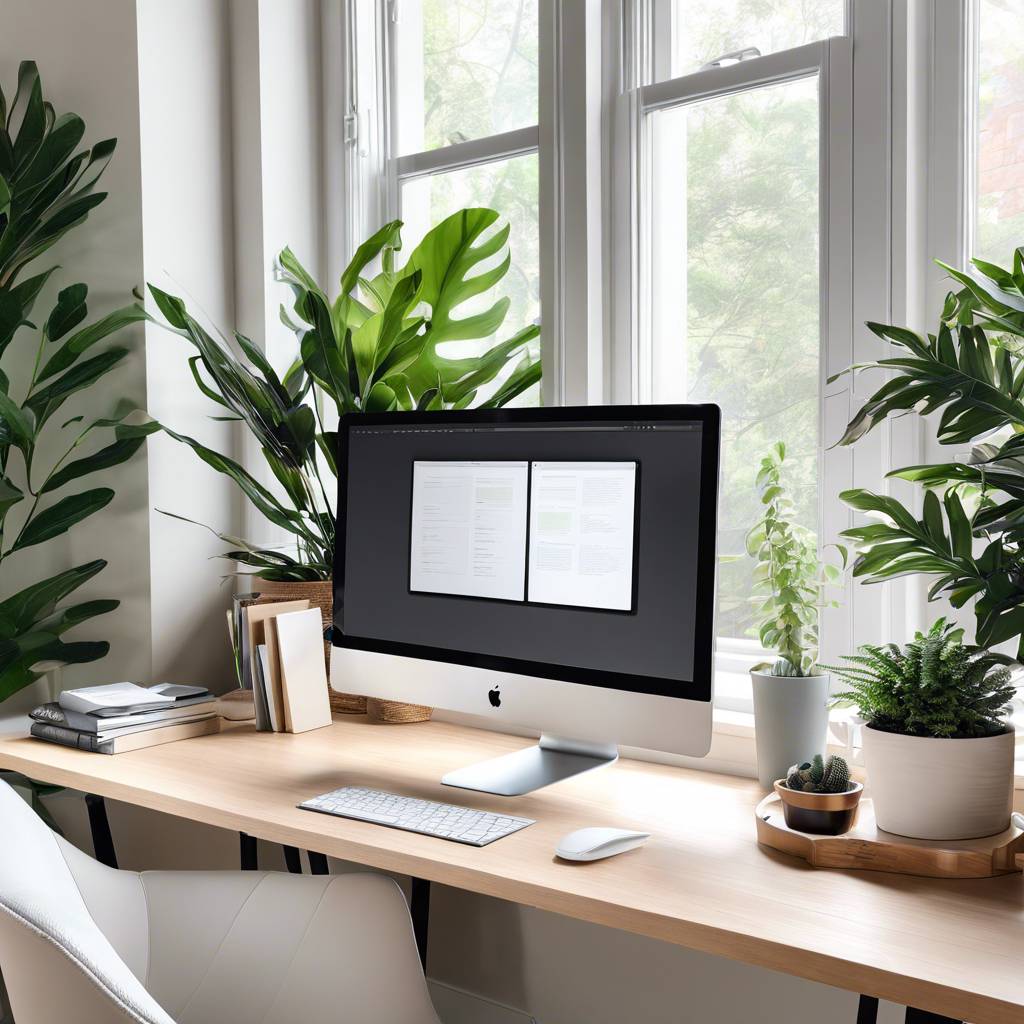
- Inviting Decor: Incorporating simple and calming decorations, such as plants or serene artworks, can create an inviting atmosphere. These elements foster a sense of peace without overwhelming the senses. For example, a small succulent or a landscape photo can provide visual warmth while maintaining a minimalist vibe.
Statistics reveal that organizations embracing minimalism often see productivity soar; some report increases of up to 30% in employee output. As more companies across the United States evaluate workplace efficiency, many are redesigning their environments to incorporate minimalist elements that promote focus and creativity.
The Psychological Impact of Clutter
Understanding the psychology behind clutter provides further insight into why a streamlined workspace can be beneficial. When individuals are surrounded by chaos—be it physical or digital—it can lead to cognitive overload, where the mind struggles to process information effectively. By cultivating a workspace that minimizes distractions, individuals can enhance their work habits and potentially unlock greater productivity.
By embarking on the journey to a more minimalist workspace, professionals may discover not only increased productivity but also a more fulfilled work experience. In a world teeming with distractions, embracing simplicity could just be the key to thriving amidst the complexities of modern work life.
DIVE DEEPER: Click here to learn more about mindful spending
Creating an Efficient Minimalist Workspace
Building a clutter-free workspace isn’t merely a trend; it’s a strategic approach to fostering productivity and enhancing mental well-being. Creating an efficient workspace goes beyond just cleaning up your desk. It consists of thoughtful organizing and design that align with your work habits. The following are essential strategies to cultivate an optimal minimalist environment:
- Assess Your Environment: Start by evaluating your current workspace. Identify items that aren’t serving a purpose. Ask yourself: “When was the last time I used this?” If an item hasn’t been utilized in months, it might be time to part ways. This includes anything from outdated technology to old paperwork that can be digitized or discarded.
- Establish a Functional Layout: The physical arrangement of your workspace can significantly influence productivity. Organize items based on frequency of use; position essential tools within arm’s reach while storing away the infrequently used. By creating functional zones for different tasks—such as a designated area for meetings or creative brainstorming—you can help your mind transition more smoothly between different work modes.
- Implement the One In, One Out Rule: To maintain a minimalist workspace over time, consider adopting the “one in, one out” rule. For every new item you introduce into your office, ensure that an existing item must be removed. This simple method helps keep clutter at bay and reinforces a disciplined approach to the items we allow into our workspaces.
- Use Storage Solutions Wisely: Minimalism does not imply sacrificing storage. Instead, it encourages smart storage solutions. Invest in functional storage that supports your workflow, such as drawer organizers, filing systems, or even cable management solutions. By keeping items concealed yet accessible, you reduce visual distractions and enhance the overall aesthetic of the workspace.
The psychological impact of having a clear space is profound. A study from the University of California revealed that individuals working in cluttered environments exhibit higher stress levels and lower focus. Conversely, maintaining a tidy workspace can induce a sense of control, contributing positively to job satisfaction and overall effectiveness. It’s straightforward: when you can see what’s important, you’re less likely to feel overwhelmed by your workload.
Adopting a minimalist mindset translates to embracing simplicity and prioritizing what truly matters in your workspace. By taking the time to declutter and organize, you lay the foundation for a productive environment where creativity and focus can thrive. To further support this journey, many individuals are looking toward frameworks such as the Kondo Method, which emphasizes keeping only the items that spark joy and add value, ultimately reinforcing a clutter-free lifestyle.
This exploration into creating a clutter-free workspace showcases that minimalism is not only about aesthetics but also plays a crucial role in fostering productivity. As we delve deeper into the intricacies of minimalism, we discover how these practices can significantly enhance our work performance and overall satisfaction.
| Advantage | Description |
|---|---|
| Increased Focus | A minimalistic workspace reduces distractions, allowing individuals to concentrate on their tasks more effectively. |
| Enhanced Creativity | A decluttered environment fosters innovative thinking as it invites clearer minds to envision new ideas without clutter getting in the way. |
The tendency to fill our environments with unnecessary items can be counterproductive. In today’s fast-paced world, identifying elements that can heighten productivity through minimalism is essential. By embracing a clutter-free workspace, professionals can break free from conventional setups, allowing their creativity and focus to flourish.When individuals create a minimalistic workspace, they equip themselves with an environment engineered to stimulate thought and maintain high energy levels. This approach is backed by research indicating that visual simplicity directly correlates with elevated cognitive clarity. Moreover, such spaces encourage a methodical approach to work, promoting organizational skills. Ultimately, reducing physical clutter not only cleans out the workspace but also clears mental pathways, leading to a profound enhancement in overall productivity. Explore how adopting a minimalistic mindset in your work environment can open new avenues for success and achievement.
DIVE DEEPER: Click here to discover the art of mindful spending
The Benefits of a Clutter-Free Workspace
Transitioning to a minimalist workspace not only streamlines your environment but also yields a host of benefits that contribute to heightened productivity and overall job satisfaction. Understanding these advantages can help justify the efforts behind decluttering and designing a workspace tailored to minimalism.
- Enhanced Focus: A clean, organized space helps minimize distractions. According to a report from the Harvard Business Review, clutter can cognitive load and impair our ability to concentrate. By reducing the number of visual stimuli in your workspace, you create a zone conducive to absorbing information and focusing on tasks, which directly translates into improved performance.
- Improved Cognitive Function: Clutter has been shown to affect our brain’s processing capabilities. A study published in Psychological Science highlights that individuals in tidy environments perform significantly better on tasks that require visualization and logic. The organized structure of a minimalist workspace allows for better cognitive flow, making it easier to think critically and solve problems effectively.
- Increased Creativity: Contrary to what one might believe, a clear workspace can stimulate creativity. A survey conducted by the Creative Group indicated that over 65% of creative professionals felt less hindered to brainstorm when their workspaces were organized. The absence of clutter fosters a sense of freedom that inspires out-of-the-box thinking and idea generation.
- Time-Saving Efficiency: Spending less time searching for materials and managing disarray can dramatically enhance productivity. Research from the University of Illinois found that individuals in cluttered environments took twice as long to complete tasks compared to those in organized settings. Thus, creating a minimalist workspace not only saves time but creates opportunities for maximizing output.
To harness these benefits, consider incorporating some innovative minimalist design principles in your workspace. For instance, the open-plan office, which has gained popularity in recent years, seeks to cultivate collaboration while reducing clutter through a shared space concept. While the effectiveness of the open-plan model can vary by individual, it does align with minimizing physical boundaries and promoting a fluid work environment.
Another essential element in fostering a minimalistic workspace is prioritizing ergonomics. An ergonomic setup not only contributes to a clutter-free experience by allowing organized placements of equipment and tools but also promotes physical well-being. Organizations are beginning to recognize that employee comfort leads to improved productivity—something that minimalist design can splendidly achieve.
Additionally, consider harnessing technology to support your minimalist efforts. Digital tools and apps designed for task management can eliminate the need for physical notes and documents, further contributing to a clutter-free mindset. Tools like Trello or Notion offer the flexibility to manage projects and schedules without adding physical clutter to your desk.
As the workplace evolves, adopting a clutter-free mindset becomes increasingly vital. By understanding and leveraging the various benefits that a minimalist workspace can confer, both individuals and organizations can create environments conducive to productivity and creativity, ensuring a successful and fulfilling work experience.
DIVE DEEPER: Click here to uncover more strategies
Final Thoughts on Embracing Minimalism for a Productive Workspace
Ultimately, the journey towards a clutter-free workspace is not just a trend; it is a strategic decision that can significantly enhance both individual and organizational productivity. By embracing minimalism, employees can tap into a range of advantages—from heightened focus and improved cognitive functions to increased creativity and time-saving efficiency. A clean, organized workspace cultivates an environment that fuels innovation and efficiency, essential elements in today’s fast-paced professional landscape.
As organizations strive to foster a culture of productivity, rethinking workplace design becomes crucial. Integrating principles of minimalism that prioritize simplicity and functionality can lead to transformative benefits, proving that less truly is more. Additionally, incorporating ergonomic elements and utilizing technology to streamline processes only serves to enhance these benefits further.
For those contemplating a shift towards a minimalist workspace, it is essential to recognize that this process is iterative. Start small—commit to decluttering your desk, digitizing notes, and creating an organized environment that embodies clarity. Such incremental changes can lead to significant improvements in productivity, well-being, and satisfaction.
In a world overflowing with distractions and information overload, the power of minimalism offers a fresh perspective. By acknowledging the fundamental role our surroundings play in shaping our mental and emotional states, we open ourselves to the possibility of a more productive, satisfying work life—a shift well worth pursuing.
Related posts:
The Role of Mindfulness in Clutter Reduction: Cultivating Awareness to Simplify Life
Clutter-Free Celebrations: Tips for Organizing Events Without the Excess
The Role of Technology in Clutter Reduction: Leveraging Apps and Gadgets for a Minimalist Lifestyle
The Art of Letting Go: Effective Strategies to Reduce Disorder in Your Life
The Impact of Clutter on Sleep Quality: Creating a Restful Bedroom Environment
Practical Strategies to Declutter Work Study Spaces Effectively

Linda Carter is a writer and organization expert specializing in minimalism and personal organization. With extensive experience helping individuals create clutter-free, functional spaces and adopt mindful habits, Linda shares her knowledge on our platform. Her goal is to empower readers with practical advice and strategies to simplify their lives, stay organized, and achieve a sense of calm and balance in their daily routines.