The Intersection of Clutter Reduction and Sustainable Living: Strategies for an Eco-Friendly Home
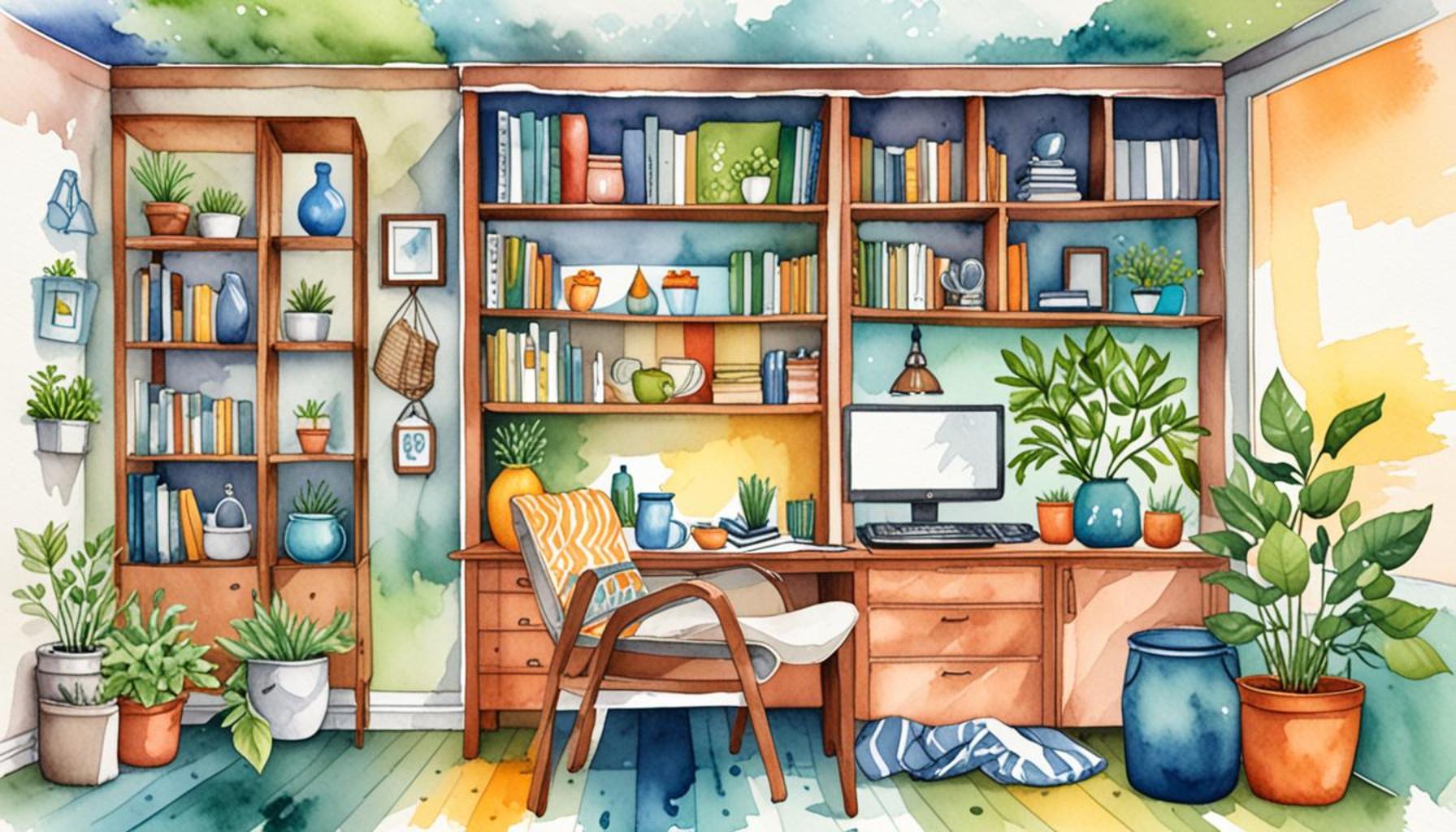
The Connection Between Clutter Reduction and Sustainable Living
As our daily lives become increasingly hectic, clutter can quickly take over our homes. This not only creates a chaotic environment but also fosters a culture of overconsumption. A critical aspect of addressing this issue is recognizing the strong correlation between clutter reduction and sustainable living. By adopting practices that diminish both clutter and waste, individuals can create spaces that are not only enjoyable to inhabit but also harmonious with the environment.
Environmental Impact
Every time we declutter our homes, we also make conscious decisions about the items we choose to keep or dispose of. By reducing unnecessary belongings, there’s a natural decrease in resource consumption associated with buying new products. For example, studies indicate that about 80% of items in the average American home are rarely used, leading to excessive purchases and energy use in manufacturing. By simplifying our personal possessions, we effectively lessen the demand for new resources, leading to lower waste generation and a healthier planet.
Additionally, responsible disposal of unwanted items—whether through recycling, donating, or upcycling—ensures that fewer materials end up in landfills, where they contribute to pollution and greenhouse gas emissions. For instance, consumers can donate old appliances, clothing, and furniture to local charities or thrift stores, promoting a circular economy that supports both the community and the environment.
Mindfulness and Well-Being
Amidst the tangible benefits, there are also significant mental health advantages to maintaining a clutter-free environment. Research has shown that clutter can lead to stress, anxiety, and feelings of being overwhelmed. By organizing their homes, individuals often report greater mental clarity and increased productivity. For example, studies have found that people who live in tidy spaces experience improved focus and creativity, opening the doors to more intentional and fulfilled living.
In essence, a minimalist lifestyle fosters a sense of control and peace. As homeowners engage in decluttering, they often discover that the process forces them to make mindful decisions about what truly adds value to their lives. This perspective shift not only enhances well-being but also extends to fostering more sustainable behaviors, as individuals become more aware of their consumption patterns.

Simple Strategies for a Sustainable Space
Embarking on the journey toward a sustainable lifestyle doesn’t have to be overwhelming. Anyone can start with simple strategies that can seamlessly blend clutter reduction with eco-friendliness. For instance, adopting a “one in, one out” policy can help keep possessions in check—a new item warrants the removal of an old one. Additionally, using storage solutions made from sustainable materials can maintain organization while reducing environmental impact.
Moreover, consider the practice of repurposing items. Instead of discarding an old jar, it can be transformed into a stylish pen holder or a unique storage solution. These small yet impactful choices contribute not only to a tidier home but also to a commitment to reducing single-use plastics and other disposable products.
The intersection of clutter reduction and sustainable living presents a compelling case for individuals looking to make meaningful changes in their lives. By exploring and implementing these strategies, readers can engage with their homes in a transformative way, promoting both personal well-being and environmental stewardship.
DISCOVER MORE: Click here to unlock innovative space optimization techniques
Embrace Sustainable Living Through Simple Changes
Choosing a sustainable lifestyle is an endeavor that, while it may initially seem daunting, can actually be approached with ease and simplicity. The journey begins with implementing straightforward strategies that effectively marry clutter reduction with eco-consciousness. Adopting small yet impactful changes can drastically transform not only our personal spaces but also contribute positively to our planet.
One of the most effective ways to manage clutter while fostering sustainability is by adopting a “one in, one out” policy. This approach mandates that for every new item you bring into your home, an old item must be discarded or donated. By doing this, you not only keep your possessions in check, but you also develop a habit that discourages excessive consumption—an essential tenet of sustainable living. For example, if you purchase a new jacket, consider donating an old one to a local charity, which not only clears space but helps someone in need.
Beyond mindful purchasing choices, utilizing storage solutions crafted from sustainable materials can significantly reduce your environmental impact while maintaining organizational harmony in your home. Opt for items such as storage baskets woven from natural fibers like seagrass or shelving made from reclaimed wood. These sustainable choices often come with a lower carbon footprint and support local craftsmen, thereby nurturing a sense of community, which is pivotal in sustainable initiatives.
Another area worth exploring is the art of repurposing, a practice that encourages creativity while preventing waste. When faced with items that no longer serve their intended purpose, think creatively about how they might find new life. For instance, instead of tossing out an old glass jar, you could easily repurpose it into a chic pen holder or a creative means to store office supplies. Here are a few creative ideas you might consider:
- Old wine corks can be transformed into a DIY bulletin board—creating a rustic touch for your home office.
- Glass bottles can become stunning decorative vases, adding a personalized flourish to your living space.
- Fabric scraps can be stitched together to create eco-friendly gift wraps, a unique way to present gifts without adding to the landfill.
- An unused ladder can serve a new purpose as a bookshelf or plant stand, marrying function with aesthetic appeal.
These simple yet innovative choices contribute to a cleaner, more organized environment while actively reducing reliance on single-use plastics and disposable goods, thus minimizing our ecological footprint. Further, a decluttered home not only offers physical space but also promotes mental clarity, allowing us to cherish durable items that we intentionally choose to keep over time.
The synergy between clutter reduction and sustainable living becomes even more compelling as individuals embark on their quest for meaningful lifestyle changes. By delving into and implementing these strategies, homeowners can engage with their living spaces in a manner that supports both personal well-being and environmental stewardship. As more individuals adopt these practices, we can aspire to create a more sustainable future, where our homes embody not just our personal style but also our core values surrounding conservation and community care.
The intersection of clutter reduction and sustainable living presents an opportunity for individuals to create eco-friendly homes that not only promote personal well-being but also benefit the planet. Simplifying our living spaces can greatly enhance our quality of life while simultaneously supporting environmental sustainability. One effective strategy is the practice of minimalism. By embracing minimalism, homeowners can consciously choose to own fewer possessions, which reduces material consumption and encourages a more thoughtful approach to shopping. This leads to a reduction in waste, as fewer items not only mean less clutter but also a decrease in demand for new products, many of which are manufactured unsustainably. Moreover, incorporating high-quality, sustainable materials into our homes—such as reclaimed wood, recycled metals, or organic fabrics—can contribute to eco-friendliness while also decluttering spaces, as these materials are often more durable and timeless. Additionally, implementing organizational methods such as the KonMari method encourages the retention of only those items that “spark joy.” This not only helps consumers ditch the unnecessary but also results in a curated collection of possessions that hold true value. Alongside this, the organization of digital spaces is equally important. Reducing digital clutter through proper file management and unsubscribing from unwanted emails can support a clearer mindset, ultimately impacting one’s environmental footprint through less reliance on energy-consuming devices.Another critical aspect is sustainable consumption. Engaging in local markets for second-hand goods not only supports sustainable living but also encourages creativity and uniqueness in home decor. Shopping locally minimizes the carbon footprint associated with transporting goods from distant locations, contributing to a healthier planet. Moreover, the reduction of clutter allows for more effective use of energy within a home. By maintaining a simplified space, one can optimize natural light and improve the functionality of rooms, potentially leading to decreased reliance on artificial lighting. Better organization often translates to improved energy efficiency—think about the benefits of preset, energy-efficient appliances and smart home technologies that help manage consumption patterns effectively.As homeowners weave together clutter reduction and sustainable living strategies, they not only enhance their personal lives but also play a significant role in fostering a healthier environment. Discovering the many ways to blend these elements reveals that creating an eco-friendly home is a multidimensional process with a multitude of rewards.
DIVE DEEPER: Click here to discover innovative space optimization techniques
Implementing Eco-Conscious Practices at Home
Sustainable living extends far beyond merely reducing clutter; it encompasses an entire mindset shift towards making environmentally friendly choices in every aspect of our homes. By weaving together these elements of sustainability and minimalism, homeowners can create a harmonious environment that reflects both their aesthetic preferences and their commitment to the planet. One pivotal strategy in this journey is organic gardening—an excellent opportunity to reduce waste while also cultivating a fresh, sustainable source of food.
Starting an organic garden means embracing the principles of composting. This effort allows you to turn kitchen scraps and yard waste into nutrient-rich soil, effectively minimizing the clutter of waste in landfills. According to the United States Environmental Protection Agency (EPA), food scraps and yard waste accounted for approximately 30% of what we throw away. By composting these materials, not only do you reduce household waste, but you also nourish your future crops. Even if you lack outdoor space, methods like vertical gardening or container gardening can yield impressive results, offering homegrown vegetables while maximizing your space.
In addition to gardening and composting, consider the importance of energy efficiency as a means to reduce both clutter and your carbon footprint. Simple modifications around your home can foster a more sustainable environment. Invest in energy-efficient appliances that consume less power, install LED lighting, and opt for smart thermostats that allow for better control of energy usage. For instance, states like California have implemented rigorous energy efficiency programs, showing significant decreases in energy consumption. This not only helps the planet but can also lead to substantial savings on utility bills over time.
Moreover, establishing a dedicated recycling corner is essential when decluttering and promoting sustainability. Create designated bins for recyclables, ensuring items like paper, plastics, and metals are properly sorted and repurposed. According to the Recycling Partnership, the U.S. recycling rate hovers around 35%, indicating a vast area for improvement. By actively participating in recycling, you not only reduce clutter in your home but also contribute to the reduction of waste in landfills, supporting the circular economy.
Transitioning to sustainable living also involves critically examining textiles in your home. Choosing organic cotton, linen, or sustainably sourced wool not only limits clutter but ensures that your choices contribute positively to the environment. Fabrics made from recycled materials are increasingly popular, providing eco-friendly options for bedding, curtains, and upholstery. Additionally, consider donating or repurposing old textiles—distressed towels can be transformed into cleaning rags, while unwanted clothes can find new life through upcycling, reducing the need to purchase new items.
Lastly, the idea of shared resources is gaining traction as an appealing solution to managing clutter while simultaneously embracing sustainability. Initiatives such as tool libraries or car-sharing programs are proving that community-driven models can reduce individual consumption levels. By borrowing rarely-used items or sharing resources, households can minimize the accumulation of possessions. In the U.S., organizations like Shareable are changing the way communities engage with shared economies, advocating a lifestyle that prioritizes collaboration and minimized consumption.
As these strategies take root, homeowners can develop not just a clutter-free living space, but an eco-friendly home that aligns with a broader commitment to sustainable living. Each small action contributes to a collective impact, fostering a shift towards a future rich in environmental consciousness and mindfulness.
DISCOVER MORE: Click here to learn how to simplify your life
Conclusion: Embracing a Greener Future Through Conscious Living
In conclusion, the intersection of clutter reduction and sustainable living presents a vital framework for creating eco-friendly homes that resonate with personal values while benefiting the planet. By adopting strategies like organic gardening, composting, and energy efficiency, individuals can drastically decrease their environmental footprint—all while enjoying the aesthetic and emotional rewards of a simplified living space. As we strive to minimize waste, the significance of recycling and repurposing materials cannot be overstated; with the U.S. recycling rate hovering around just 35%, there remains tremendous potential for improvement.
Moreover, examining the textiles we integrate into our daily lives can significantly contribute to a more sustainable lifestyle. Choosing eco-friendly fabrics and upcycling old materials fosters not only a clutter-free environment but also encourages a culture of mindfulness and responsibility. The growing trend of shared resources, from tool libraries to car-sharing, further emphasizes the importance of community-driven initiatives in mitigating individual consumption.
Ultimately, navigating the path toward sustainability requires an ongoing commitment to conscious choices—each small action leading to substantial overall impact. By intentionally embracing clutter reduction alongside eco-friendly practices, we can cultivate homes that not only reflect our values but also nurture a healthier planet for future generations. As we embark on this journey, it is essential for each homeowner—whether seasoned or just starting—to continually explore new strategies and remain engaged in the broader discourse around sustainability. The opportunity to create an eco-friendly home lies within reach, empowering us to contribute meaningfully to a more sustainable future.
Related posts:
Clutter-Free Celebrations: Tips for Organizing Events Without the Excess
Clutter and Relationships: Navigating Shared Spaces for Better Harmony
Digital Declutter: Organizing Your Online Life for Greater Productivity and Peace
The Impact of Clutter on Sleep Quality: Creating a Restful Bedroom Environment
The Role of Technology in Clutter Reduction: Leveraging Apps and Gadgets for a Minimalist Lifestyle
The Role of Mindfulness in Clutter Reduction: Cultivating Awareness to Simplify Life

Linda Carter is a writer and organization expert specializing in minimalism and personal organization. With extensive experience helping individuals create clutter-free, functional spaces and adopt mindful habits, Linda shares her knowledge on our platform. Her goal is to empower readers with practical advice and strategies to simplify their lives, stay organized, and achieve a sense of calm and balance in their daily routines.