Mastering Minimalism How Simplicity Living Enhances Quality of Life

Embracing a New Way of Living
In today’s fast-paced world, the quest for a simpler life has gained immense popularity. More people are recognizing that minimalism isn’t just a trend; it’s a transformative lifestyle that promotes clarity and purpose. This shift towards simplicity living offers practical solutions to overwhelming clutter and stress.
The Benefits of Minimalism
Adopting a minimalist approach can lead to numerous benefits, including:
- Reduced Stress: Fewer possessions often result in less anxiety.
- Improved Focus: A decluttered environment enhances concentration.
- Greater Freedom: Living with less can lead to more time and financial resources.
As you explore the realm of simplicity living, you may find new avenues for enhancing your quality of life. In this article, we will delve into the Top 5 principles and practices that embody minimalist living. Prepare to discover how these concepts can reshape your everyday experiences and help you reclaim your time and space.
The Art of Living with Less: How Simplicity Living Transforms Quality of Life
In an era dominated by ever-increasing consumerism and a relentless pace of life, the notion of simplifying our existence is garnering substantial attention. This lifestyle choice, known as Simplicity Living, emphasizes living with fewer material possessions, increased mindfulness, and a focus on what truly matters. By adopting this approach, individuals can potentially experience a profound shift in their overall well-being and quality of life. Here, we delve into the top five ways that embracing a minimalist lifestyle can revolutionize various aspects of daily existence.
5. Minimizing Material Possessions
At the heart of simplicity living is the idea of reducing material possessions. By paring down the clutter, individuals can cultivate an atmosphere of order and serenity in their living spaces. Numerous studies have shown that a tidy environment can enhance both focus and productivity, as well as promote a sense of calm. The psychological benefits of living in an organized space are palpable; individuals report feeling less stressed, and decision fatigue is notably reduced when surrounded by fewer distractions.
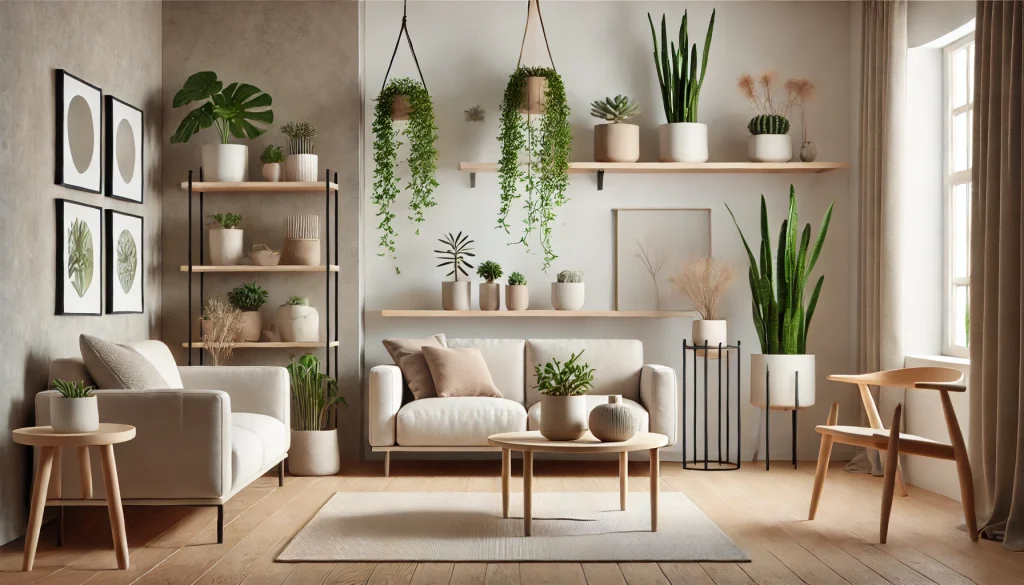
For those looking to embark on this journey, consider the following tips:
- Conduct a thorough decluttering session to assess what you truly need and value.
- Implement the one-year rule—if an item hasn’t been used within a year, it might be time to part with it.
- Opt for quality over quantity by investing in durable, multi-functional items that genuinely enhance your life.
Reducing material possessions is not just about eliminating junk; it’s about making conscious choices that enrich your surroundings and support a more streamlined way of living. Such decisions pave the way for greater mental clarity and a renewed focus on what brings joy and fulfillment.
4. Cultivating Mindfulness
The journey towards simplicity naturally leads to a state of mindfulness, where individuals become attuned to the present moment. By stripping away the excess, one becomes more aware of everyday experiences, encouraging a deeper appreciation for life’s small joys. This state of being is about focusing attention on the now, rather than dwelling on past regrets or future anxieties.
To foster mindfulness, try the following practices:
- Engage in regular meditation, which can quiet the mind and increase awareness.
- Participate in activities that emphasize presence and intentionality, such as yoga or tai chi, which blend movement with mindfulness practices.
- Declutter not just your space, but your schedule as well, creating room for quiet reflection and moments of stillness.
As mindfulness becomes ingrained, individuals often find themselves more in tune with their emotions and thoughts, resulting in enhanced emotional resilience and satisfaction with life.
3. Financial Freedom
A central tenet of Simplicity Living is achieving financial freedom. This often entails adopting a mindful approach to spending, where needs are distinguished from wants. By prioritizing savings and thoughtful investments over impulsive purchases, individuals relieve themselves of the financial pressures that accompany a consumer-driven lifestyle.
The road to financial freedom involves several key steps:
- Develop a budget that mirrors your minimalist values, emphasizing savings and essential expenditures over superfluous ones.
- Value experiences over material goods—opt for travel, knowledge, or new skills instead of physical items, which often provide fleeting satisfaction.
- Invest in yourself by learning new skills or pursuing educational opportunities that may lead to greater economic empowerment.
By shedding the burden of financial stress, individuals open up space in their lives for greater contentment and opportunity, free from the constraints of debt and overspending.
2. Strengthening Relationships
With simplicity comes the opportunity to nurture and deepen relationships. A clutter-free life leaves more room for meaningful connections with others. By prioritizing quality over quantity, individuals can focus on building stronger, more genuine bonds with family and friends. This often reveals itself in how time is spent—engaging in shared experiences and enjoying the company of loved ones without the distractions of endless consumerism.
Ways to enhance these relationships include:
- Participating in joint activities like cooking, hiking, or community events, which foster shared memories and camaraderie.
- Moving beyond surface-level interactions by prioritizing face-to-face conversations and regular check-ins with loved ones.
- Frequent expressions of gratitude and love, reinforcing bonds and ensuring those around you feel appreciated and valued.
By reducing life’s clutter, both physical and mental, we create space that allows our relationships to flourish, bringing richness and depth to our social interactions.
1. Enhancing Well-Being
At the pinnacle of the transformation is the overall enhancement of well-being that accompanies a simpler lifestyle. Individuals often report a sense of clarity, emotional balance, and improved physical health. This uplift is largely due to a reduction in stressors, such as the burden of excessive possessions, overwhelming financial obligations, and complicated interpersonal dynamics.
To cultivate well-being, consider the following approaches:
- Creating a daily routine that emphasizes physical activity and nutritious eating, promoting both mental and physical health.
- Incorporating stress-reducing practices such as mindfulness, meditation, and gratitude journaling, all of which contribute to overall stability and peace of mind.
- Investing in personal growth and continuous learning, which fosters a dynamic sense of purpose and motivation.
In summary, the art of living with less serves as a catalyst for a profound enhancement of life quality. Each facet, from minimizing possessions to nurturing meaningful relationships and boosting overall well-being, strengthens the foundation of a life well-lived. By embracing simplicity, we unlock the potential for a more intentional, enriched, and content existence, revealing the true art of living with less.
| Category | Details |
|---|---|
| Mental Clarity | The practice of simplicity helps to reduce mental clutter, allowing individuals to focus on what truly matters in their lives. This leads to better decision-making and a heightened sense of purpose. |
| Financial Freedom | Adopting a simpler lifestyle often translates to lower expenses. This encourages people to live within their means and can lead to reduced stress associated with financial obligations. |
| Environmental Impact | Simplicity living encourages individuals to minimize waste and consume less. This lifestyle not only benefits personal health but also has a positive effect on the planet, promoting sustainability. |
| Enhanced Relationships | With less focus on material possessions, individuals can redirect their efforts toward nurturing connections with family and friends, resulting in deeper bonds and a greater sense of community. |
Frequently Asked Questions about Simplicity Living
What is Simplicity Living, and how does it improve quality of life?
Simplicity Living is a lifestyle focused on decluttering both the physical and mental aspects of our daily lives. By adopting this lifestyle, individuals often experience a reduced stress level, improved mental clarity, and an overall increase in happiness. This is largely because embracing simplicity allows people to focus on what truly matters to them and to live more intentional and satisfying lives. Research shows that a less cluttered environment can lead to better decision-making and increased productivity.
How can one start practicing Simplicity Living?
Starting with Simplicity Living involves evaluating your current lifestyle and determining what is essential and what is not. Begin by decluttering your living space, focusing only on items that have a purpose or bring joy. This process can be extended to digital spaces and social connections as well. It is important to take incremental steps rather than attempting to overhaul your life overnight. Setting achievable goals can ease the transition into a more simplified way of living.
Is Simplicity Living the same as minimalism?
While Simplicity Living shares similarities with minimalism, such as prioritizing what is important and reducing excess, they are not identical. Minimalism often emphasizes reducing possessions to the absolute minimum, whereas Simplicity Living is about creating a balance that enhances personal well-being. This balance can vary greatly among individuals, making Simplicity Living a personal and adaptable approach to improving one’s quality of life.
Can Simplicity Living have financial benefits?
Yes, adopting Simplicity Living can lead to significant financial benefits. By reducing unnecessary purchases and focusing on meaningful expenditures, individuals can often save money and allocate resources more effectively. According to studies, people practicing simplicity frequently report increased savings and a stronger sense of financial control, which contributes positively to overall well-being.
Conclusion
In embracing the art of living with less, one unveils a pathway to enriched quality of life through the lifestyle approach of Simplicity Living. This transformative journey is more than just about decluttering physical spaces; it impacts mental clarity, financial freedom, and overall well-being. Through adopting a minimalist lifestyle, individuals can discover a renewed sense of purpose and tranquility.
The main takeaways emphasize the liberation found in minimalism, where owning fewer material possessions directly translates into less stress and more time for meaningful experiences. This lifestyle invites us to evaluate what is truly important, encouraging a conscious connection with our values. Minimalism promotes intentional living, allowing for presence in every moment and fostering genuine connection.
Moreover, personal organization, as an integral part of this framework, offers practical methods to streamline routines and enhance daily productivity. It emphasizes a systematic approach to organizing our personal spaces and schedules, granting us the precious commodity of time. As we arrange our lives more efficiently, we align closer to our goals and aspirations, creating a harmonious balance between responsibilities and leisure.
The compelling allure of Simplicity Living lies in its capacity to transform lives subtly yet profoundly. By decluttering our surroundings and our minds, we open up a space for positivity and growth. As individuals continue to explore and implement these principles, they may find their quality of life not just improving, but truly flourishing. In a world overwhelmed by excess, living simply can be the key to unveiling a life lived fully.
Related posts:
Simplicity Living and Sustainability: How to Reduce Consumption and Live More Consciously
Simplicity Living and Mental Health: The Impact of Minimalism on Stress Reduction
Simplicity Living and Relationships: Strengthening Personal Connections Through Emotional Disorder
Simplicity in Eating: How to Reduce Meal Complexity and Eat More Mindfully
Simplicity Living Practices: Tips for Organizing Your Life and Space Efficiently
The Art of Living with Less: How Simplicity Living Transforms Everyday Life

Linda Carter is a writer and organization expert specializing in minimalism and personal organization. With extensive experience helping individuals create clutter-free, functional spaces and adopt mindful habits, Linda shares her knowledge on our platform. Her goal is to empower readers with practical advice and strategies to simplify their lives, stay organized, and achieve a sense of calm and balance in their daily routines.